CFTC Tees Up New Prediction Market Rules for White House Review

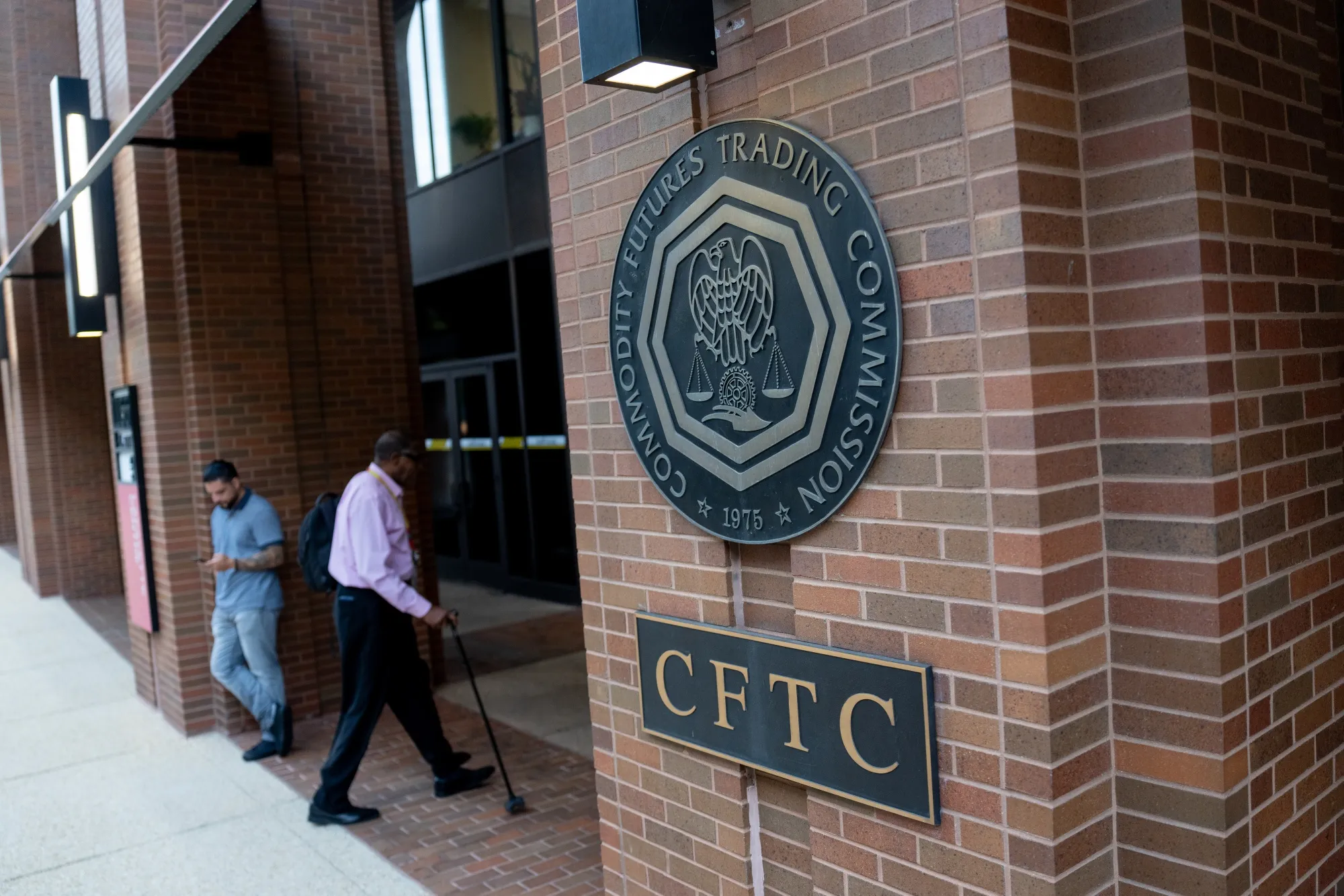
The Commodity Futures Trading Commission is teeing up two new prediction market-related rules that could impact litigation over the agency’s jurisdiction over sports-related event contracts.
The CFTC sent the pair of rules, one of which would go into effect immediately, to the White House’s Office of Management and Budget earlier this week for review.
One rule, marked as “interim final,” would amend the definition of a swap to exclude casino-style gambling products. That rule would go into effect as soon as it’s published in the Federal Register, an infrequently-used move that typically requires an agency to show good cause. Agencies typically still take comment on such measures.
The other item, a proposed rule, would amend the swap definition to explicitly include event contracts, the financial contracts traded on prediction markets such as Kalshi, Polymarket, Rothera, and Novig.
Once the OMB has finished its review of the measures, a process that can involve making edits to the agency’s text, it will send the rules back to the commission. The CFTC — currently led by a single member, Chairman Michael Selig — must vote to release the items for public comment.
Most prediction market contracts are treated as swaps under the Commodity Exchange Act. Swaps are a type of derivative product involving two parties exchanging cash flows over a specified period of time. They’re typically used by sophisticated financial players, agricultural or energy producers, and others as speculative or hedging instruments. However, prediction markets, and sports contracts in particular, have ushered in a new era of retail-oriented trading in the once institutional sector of finance.
A spokesperson for the CFTC didn’t immediately respond to a request for comment.
Currently, CFTC-regulated prediction markets don’t offer casino-style games like blackjack or games of pure chance. Instead, their products allow traders to bet on the outcome of almost any event, from Federal Reserve interest rate hikes to celebrity baby births to sports matches.
The measures come as the CFTC and many of the companies it regulates are embroiled in multistate litigation with state gaming authorities and Indian tribal groups over the agency’s authority to preempt state gaming laws. It’s unclear how the two items might factor into the legal battle over where financial swaps end and sports gambling begins.
On Sept. 2, New Jersey asked the US Supreme Court to review an appellate court ruling that favored Kalshi Inc. in a dispute over whether sports contracts offered on its exchange are classified as swaps and whether CFTC authority supersedes that of any states.
High court watchers believe the panel is likely to hear the case due to breadth of litigation and a current split in rulings between two appellate courts.

 点赞
点赞 收藏
收藏 点踩
点踩 分享
分享