Mexico Grows Confident on US Deal to Cut Steel, Auto Tariffs

Mexico’s government is increasingly confident about a possible trade deal with the US that includes reduced tariffs on key exports like steel, aluminum and light vehicles, according to multiple Mexican officials familiar with the situation.
The two nations are working on the details of an agreement that would cut US tariffs on light vehicles to 15% from the current 25%, according to the officials, who requested anonymity because they were not authorized to discuss the negotiations publicly.
Since the full rate applies only to non-US content, the effective tariff would be between 10% to 12%, the officials said, adding that Mexico is still pushing for better terms than those offered to Canada last month. The US offered Canada a 15% headline rate which could effectively fall to roughly 7% after applying the maximum discount for regional content.
The officials are also optimistic about a deal to lower steel and aluminum tariffs, currently as high as 50%, although they said the size of the reduction remains unclear.
The White House and the Office of the US Trade Representative didn’t immediately reply to requests for comment. A spokesperson for Mexico’s Economy Ministry said the country continues to hold “constructive talks” with the US and no deadlines have been set.
The officials cautioned that a deal is not yet finalized as negotiations continue. President Donald Trump has been known to change his mind at the last minute on trade agreements, and an emerging deal with the Canadians fell apart at the 11th hour in August, an indication of how fragile trade negotiations with the US can be.
But an agreement would end months of uncertainty that has weighed on President Claudia Sheinbaum’s government while denting business confidence and investment into Mexico.
Sheinbaum has presided over sluggish economic growth and declining private investment driven in part by doubts over US trade ties, while preaching patience as her trade envoys sought tariff relief for Mexican exporters.
Read More: Mexico Investment Extends One of Longest Slumps in Decades
Mexico has sought to pause or lower US tariffs since Trump first imposed sweeping duties early last year. Talks have taken on added urgency since June, when Trump announced he wouldn’t reauthorize the USMCA, setting the stage for extended negotiations over provisions governing automobiles and other key industries.
The two sides delayed their latest round of talks, which had been scheduled for this week. But Foreign Minister Roberto Velasco said last week that new talks would take place and that he remained “cautiously optimistic” they could reach a deal.
Mexico’s economy is heavily reliant on trade with the US. More than 80% of its exports flow to its northern neighbor, while supply chains for autos, electronics and numerous other sectors stretch across their shared border.
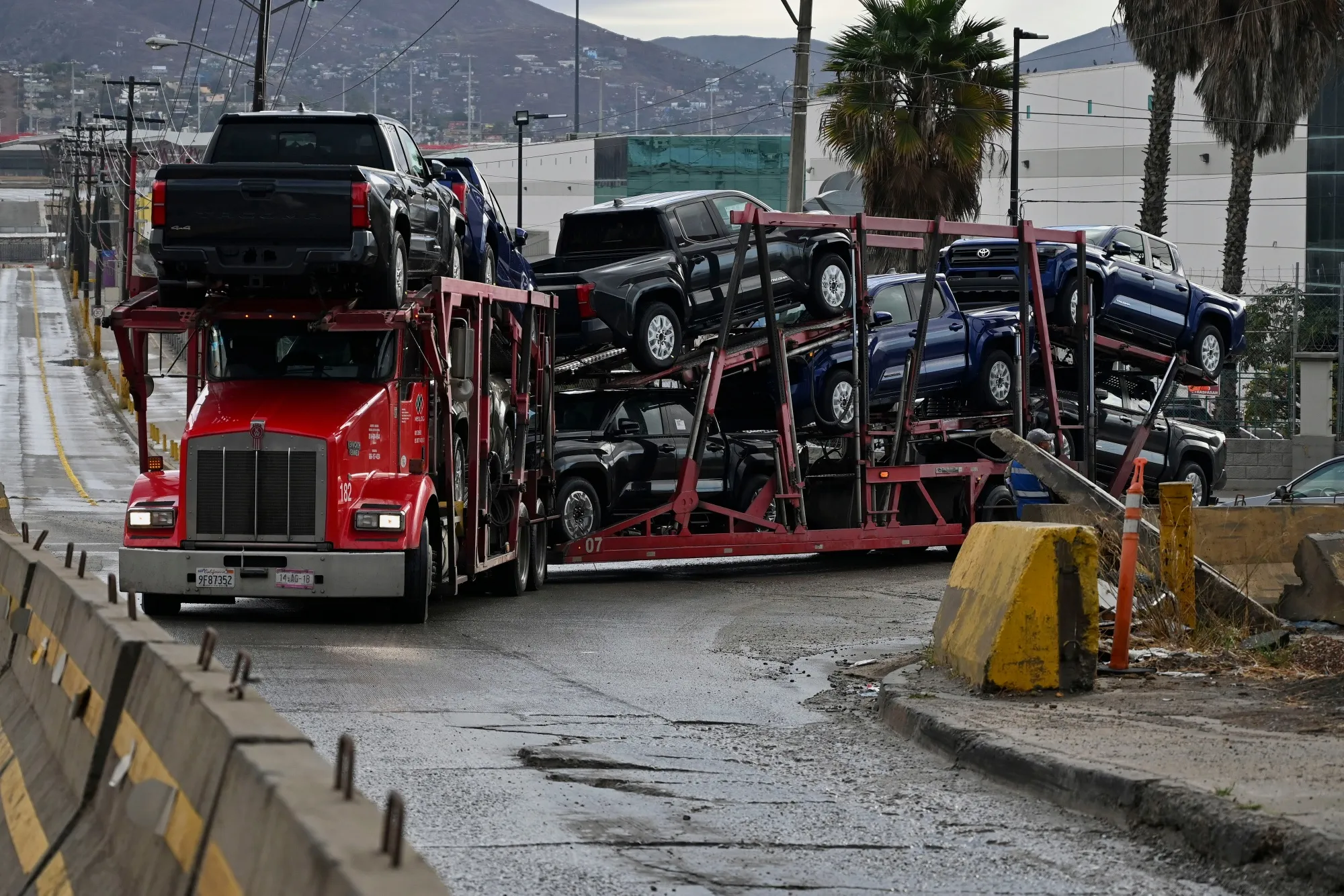
Lower tariffs would be particularly significant for Mexico’s large automaking industry, which employs roughly 800,000 people. The vast majority of Mexican-made vehicles are exported to the US, which also counts Mexico as its largest supplier of auto parts.
Mexican steel and aluminum producers face similar pressure, given the US is the main destination for the metals.

 点赞
点赞 收藏
收藏 点踩
点踩 分享
分享