What It Takes to Get a Job at SpaceX


Getting hired at Space Exploration Technologies Corp., according to founder Elon Musk, requires “exceptional ability” — and may include having Musk himself review your resume, as he declared he was doing earlier this year.
Musk started SpaceX in 2002 with a vision no less grandiose than making humans a multiplanetary species. The company is the most prolific rocket launcher in the world, while operating the largest satellite network in low-Earth orbit. Now a public company, SpaceX employs some 22,000 full-time workers and is hiring plenty more, with roughly 2,500 open positions. Almost all those people understand that sending humans on otherworldly journeys comes with big demands here on Earth: exhibiting a high level of intelligence, streamlining every technical process and putting in long hours at the office.
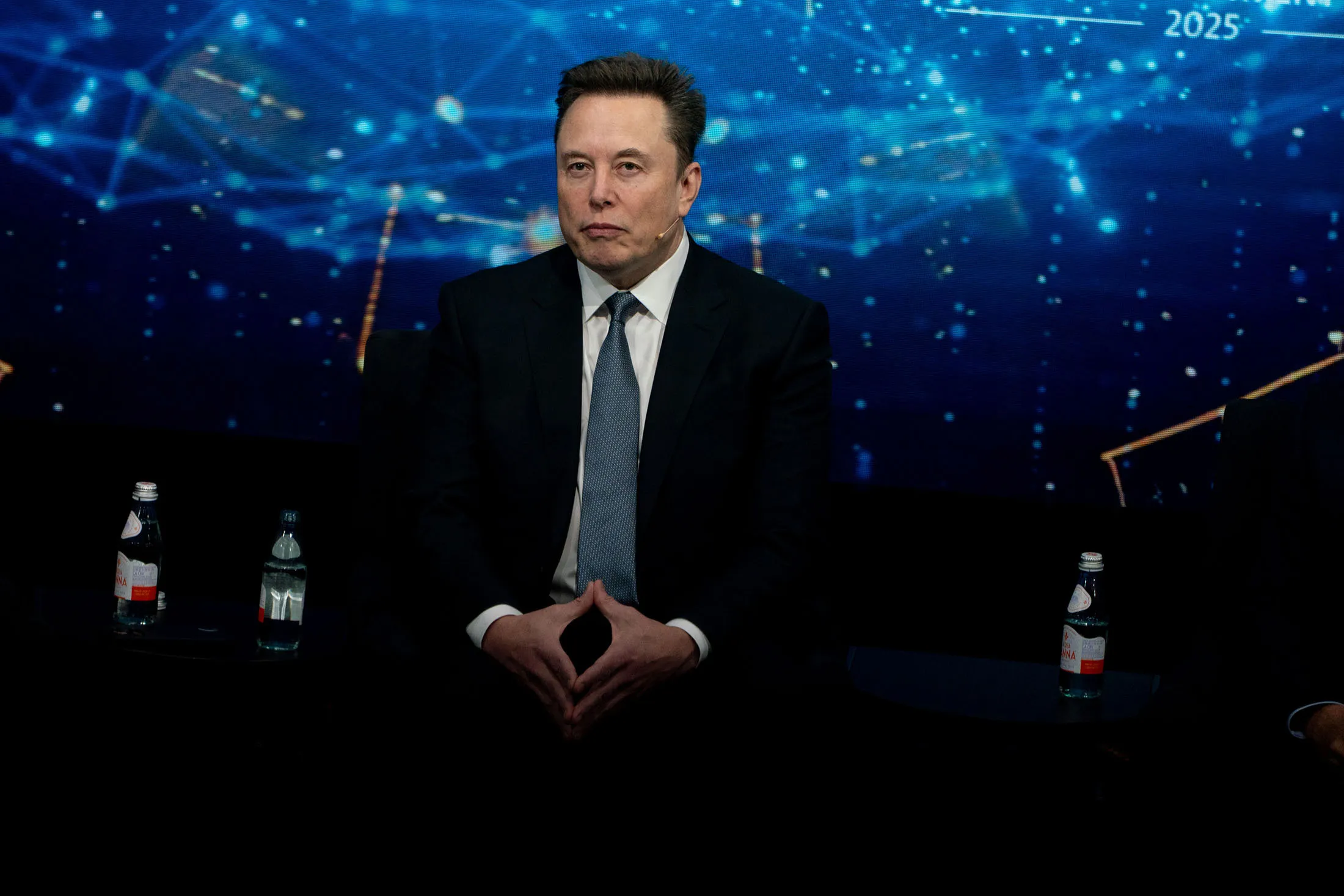
It also takes tacit loyalty to Musk.
“SpaceX is Elon, and Elon is SpaceX,” one vice president at the company told his employees in 2022 after a group of workers had written an open letter decrying Musk’s politically charged tweets and his representation of the company. Job candidates must understand that a commitment to SpaceX is more than its lofty interplanetary goals; it also means adhering to a company culture defined by Musk.
A spokesperson for SpaceX didn’t respond to a request for comment on its recruiting and hiring practices. But according to recruiters, advisers and those who’ve interviewed for jobs there, it’s the space exploration dream that draws people to the company, and Musk invokes that dream regularly to remind workers why they’re there.
“Life cannot just be about solving one problem after another,” Musk told employees this summer during a companywide meeting, echoing a common refrain. “There have to be things that make you look forward to the future. And being a spacefaring civilization, I think, is the most interesting thing we could possibly do for the future. It is making Star Trek real.”
There are a lot of ambitions to realize on the way to achieving that. SpaceX’s network of 11,000-plus Starlink satellites aims to connect every inch of the globe to the internet, while the massive Starship rocket it’s developing is intended to start a human base on the moon — and then Mars. The company is producing satellites to serve as data centers for artificial intelligence. The ultimate endgame? Harness enough of the sun’s energy to turn the world into a Kardashev Type II level civilization, a reference to an astronomer’s model that tracks the technological prowess of an intelligent species.
To get there, SpaceX employs a fleet of workers that includes the expected aerospace engineers and software coders as well as technicians, welders, spacesuit designers and baristas. SpaceX pays slightly below the industry average for its engineering roles, according to an analysis by aerospace recruiter Space Crew (SpaceX promotes its roles through Space Crew’s job platform). But SpaceX does provide higher compensation than peers in the space industry for positions in software, roughly $15,000 to $25,000 more, ranging from $141,000 to $198,000.
One major perk for employees is access to equity, either the right to buy shares or payment in the form of restricted stock units that vest over time. Such perks have been advertised as an additional form of compensation for those who may be accepting lower-than-average salaries for their field. When the company went public, many employees found themselves newly rich on paper.
It’s one of the only places to work if you want to have your hands on machinery that actually goes to space. SpaceX is the biggest company in the industry and its biggest hirer, with 50% more openings than its nearest rival, Blue Origin, according to Space Crew. And after raising $85 billion this summer during the largest initial public offering in history, the company is embarking on a hiring spree, seeking people to staff major expansion projects that include building a new chipmaking facility in Grimes County, Texas, in partnership with Tesla Inc., as well as a recently announced launch facility for Starship in Louisiana. SpaceX is also expanding its workforce in Bastrop, Texas, as it develops its new orbital data center fleet.
Perhaps the biggest requirement for getting hired at SpaceX is being a US citizen or a lawful permanent resident. Because rockets share designs similar to that of intercontinental ballistic missiles, the technology is highly regulated by the government. The company has opted to hire only Americans or green-card holders so as to easily satisfy those requirements, a decision that’s drawn controversy.
Hands-on experience ultimately matters more to SpaceX’s recruiters than advanced degrees, Space Crew’s analysis shows. And brainpower is important, SpaceX Chief Operating Officer Gwynne Shotwell has said. “You have to have kind of raw, innate intelligence,” she said during a conference held by Goldman Sachs Group Inc. in 2023. “You don’t have to necessarily be skilled in an area, because smart people will learn.”
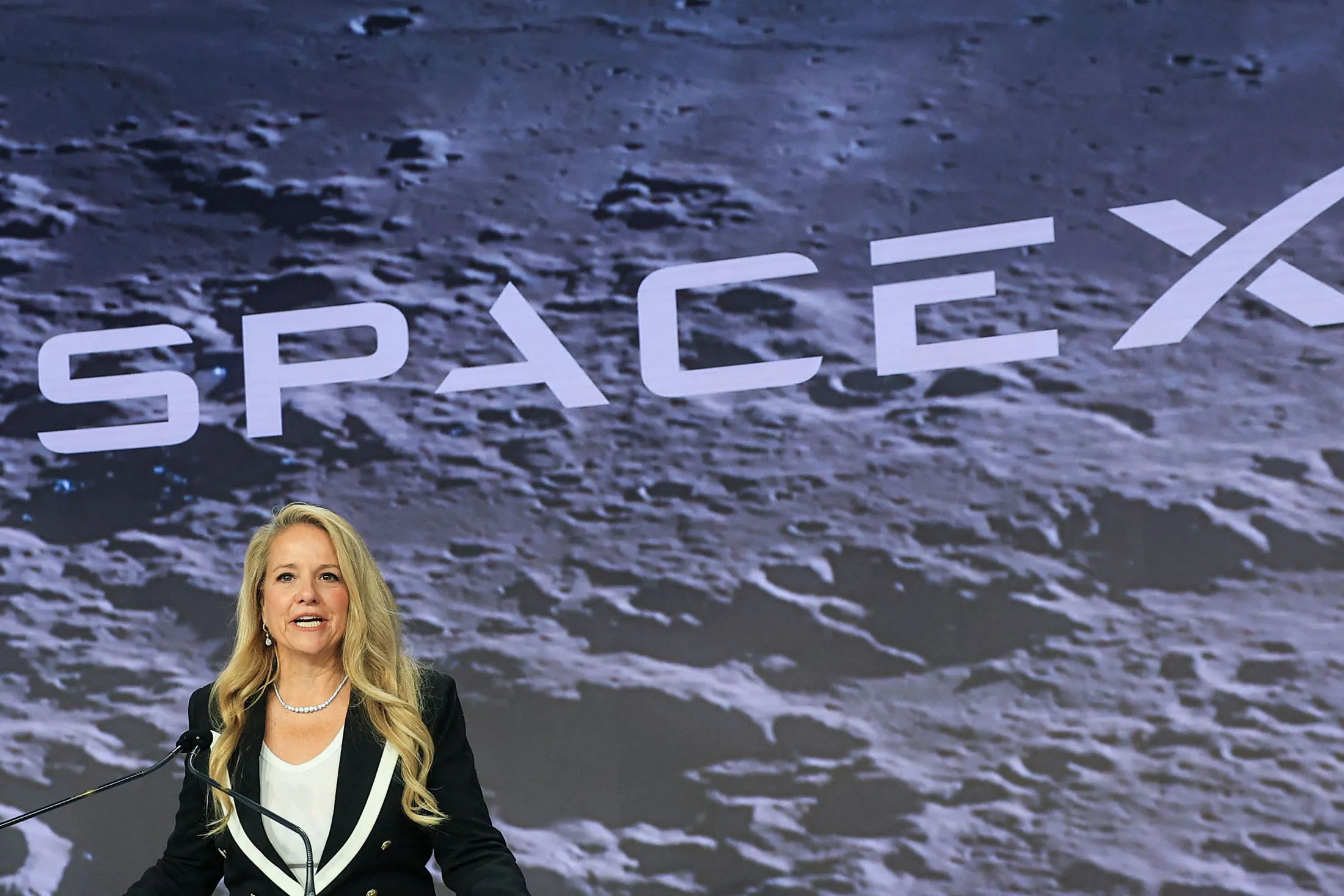
That value is emphasized when it comes to hiring. Executive leadership often encourages hiring managers to evaluate whether a new candidate has the potential to be smarter than the person doing the hiring, according to a SpaceX employee who wasn’t authorized to discuss company business.
Tina Zhao interviewed to work as a software engineer at SpaceX this year and now works at a company owned by Alphabet Inc. She says the SpaceX interviewer was very interested in the specifics of her previous experience, specifically the time she worked to recover data that had been lost.
“I really felt like they put a lot of their time into the interview to really understand my projects and where I was coming from,” Zhao says.
That’s because, as Shotwell has said, the company is looking for candidates to demonstrate their achievements from past jobs. “If you’ve had success somewhere else, you will likely have success at SpaceX,” she said during the Goldman Sachs conference. “And so we ask questions during interviews like, ‘Tell me about a thing that you did really well. Tell me about a project that you were really successful with.’”
Musk has frequently spoken about his “algorithm,” or SpaceX’s very specific method for creating effective engineering and software. It starts with questioning why a process exists, no matter who established it. Then he challenges employees to delete parts or steps that aren’t needed.
This approach can have downsides. There have been instances when Musk has declared that a piece of hardware has too many tubes or wiring, forcing employees to remove those parts — only to discover they were ultimately necessary.
Prospective hires are told that the job will require stamina. In job ads, SpaceX has specified that candidates “must be willing to work extended hours and weekends as needed.” Most engineers work as many as 60 hours a week, which can creep even higher. The company is known for having a burnout culture. SpaceX typically hires relatively young recruits out of college, and many ultimately leave years later for a less intensive job.
As Musk put it in a 2018 tweet: “There are way easier places to work, but nobody ever changed the world on 40 hours a week.”
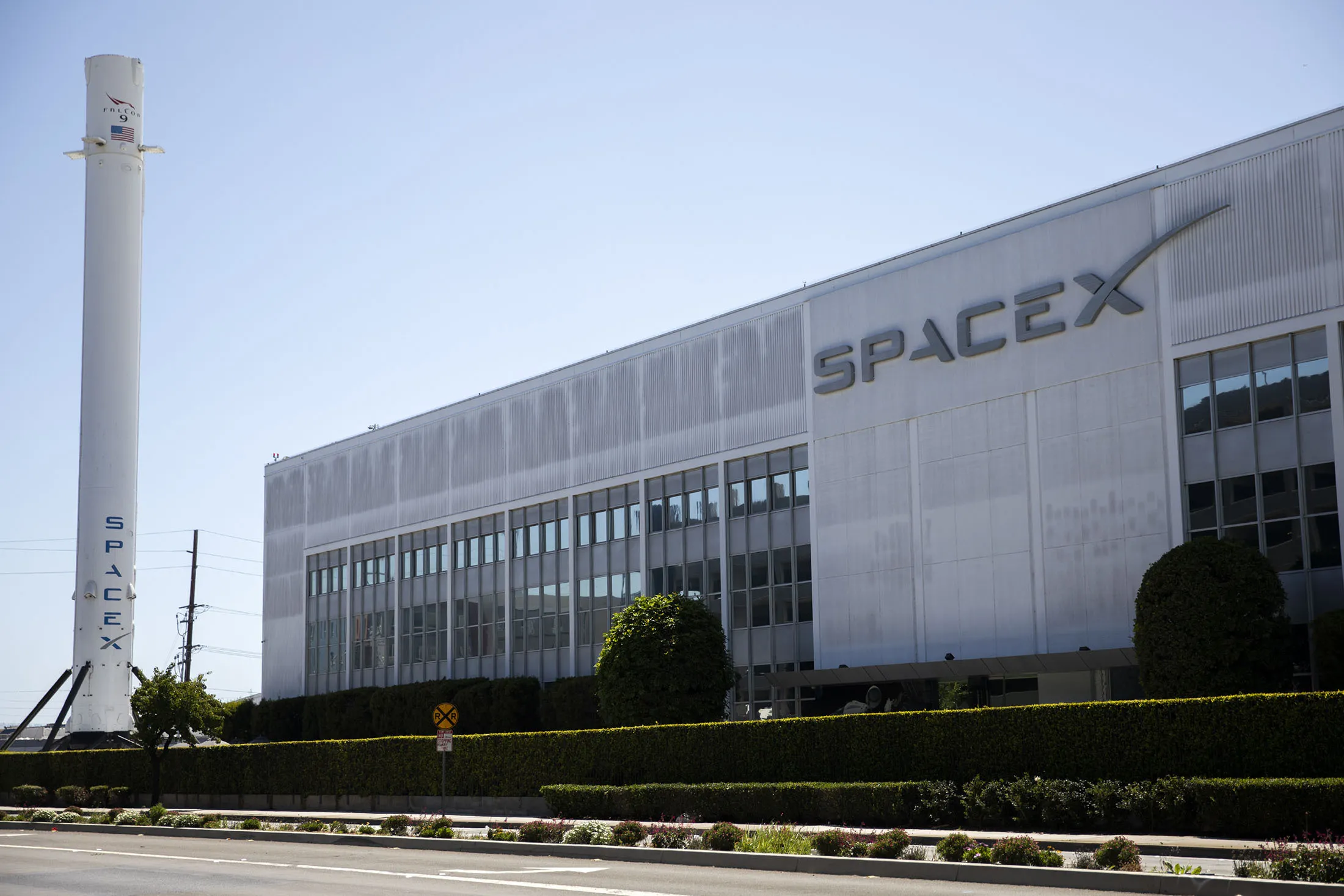
Employees also must be ready for an interruption from Musk himself. The world’s richest person will routinely insert himself into projects. In 2019 he demanded that employees working on Crew Dragon, SpaceX’s passenger spacecraft, come into the office for a meeting early on a Saturday. He showed up late and told the group that they all had to work hard to meet deadlines and that there were too many people working on the project — unnerving employees who were trying to prioritize executing the mission as safely as possible.
There can be a cost to a company culture that frowns on speaking up. Former employees have described SpaceX as having a frat boy atmosphere, an impression compounded by a workforce that skews heavily male. Reports of sexual harassment have been accompanied by claims that those reports weren’t properly addressed. SpaceX didn’t respond to a request for comment about sexual harassment reports that surfaced in 2021, though Shotwell sent out an internal email at the time encouraging employees to report harassment and to remember SpaceX’s “no A-hole” policy.
“Timely reporting of harassment is key to our maintaining SpaceX as a great place to work; we can’t fix what we don’t know,” Shotwell said in the email.
In 2024 eight ex-employees filed a complaint with the National Labor Relations Board and a civil rights lawsuit in California state court accusing the company of improperly addressing sexual harassment and retaliating against whistleblowers. Among the allegations: that men at the company subjected women to crude jokes, openly stared at their chests and said they were biologically incapable of being engineers. The employees’ case with the NLRB was dismissed after SpaceX fought against being under the labor board’s jurisdiction. The company is seeking to push the California civil lawsuit into arbitration.
Those onetime employees alleged they were fired for shining a light on that culture. Two years earlier they’d written the open letter condemning Musk’s tweets, stating that “Elon’s behavior in the public sphere is a frequent source of distraction and embarrassment for us.” They were swiftly dismissed. Although new hires won’t find it written in the company handbook, the move conveyed a clear message to SpaceX employees: You don’t say anything negative about Elon Musk.Read next: What It Takes to Get a Job at Anthropic

 点赞
点赞 收藏
收藏 点踩
点踩 分享
分享