Blogging for the Python Language Summit
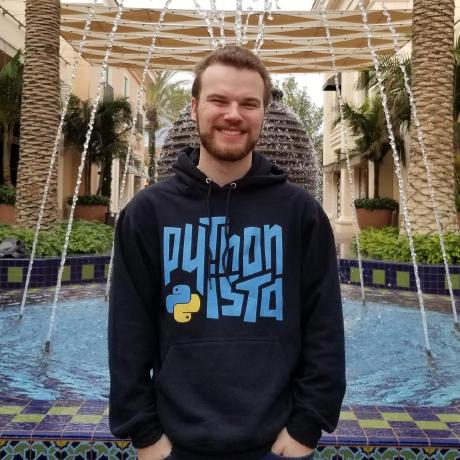
Hey, did you miss me? I've only published two blog posts in the past two months because I was busy writing 10+ blog posts detailing the Python Language Summit in 2026. If you are interested in the Python programming languages' technical direction (or you just really miss my writing) go over to the Python Insider and read those write-ups.
I've been the blogger for the Python Language Summit for the past three years (2024, 2025, 2026). Before me, Alex Waygood was the blogger (2022, 2023), and he gave me guidance on what to expect from the Python Language Summit. Below is a mix of Alex's and my own guidance on what to expect as the Python Language Summit blogger.
What do you need to know as blogger?
It is useful to have some knowledge about the Python development process, ongoing concerns for the project, governance, and some history about "how we got to this moment" to be able to write about the Python Language Summit. You can prepare in-depth by looking at the topics that will be spoken about and reading the past few years of Python Language Summit blog posts, are there returning faces or themes? What have those people been up to in the meantime?
What topics do you know less about: research those ahead of time so once the jargon starts flying (because it will) that you're able to keep up. For example, I don't know much about Python's type annotations, but without fail there is a talk about this topic each year. I usually do the most research about this topic in particular to prepare.
Travel
You'll need to actually attend physically to cover the event. Figure out which conference the summit is colocated with (either PyCon US or EuroPython). If possible, I recommend if you are traveling into a drastically different timezone to arrive a few days early to give your body time to adjust. Taking technical notes during active discussions while you are extremely jet-lagged is not fun (ask me how I know).
The event itself is long (9:00AM to 5:30PM with breaks for coffee and lunch) and exclusively intense technical discussion. Come well-rested and drink plenty of water and caffeinated beverages.
People
The Python Language Summit is an in-person event and primarily compromised of attendees that are Python core team members or maintainers of alternate Python implementations or distributions. The past three years have seen between 45-50 attendees in the event.
Prior to 2024, I had never attended the Python Language Summit and only knew a few dozen of the hundreds of members from Python core team. Being able to put faces and voices to names is a challenge. Request the full list of attendees from the summit chairs before you attend, try to learn everyone on the list that you don't recognize beforehand.
On the day of the event, watch as people filter into the event before (and sometimes, during). Make a point to meet everyone and get names, talk for a bit, and make an association between their face, voice, and name. I like to draw out a "layout of the room", too, with reminders of people that I've just met and where they are sitting.
Usually the summit chairs ask for a round of introductions from everyone before starting the event, you can request that they do this to be sure.
It also helps to sit next to a summit chair, I've had to ask Hugo van Kemenade "who is speaking right now" a few times when it's difficult to know who has the microphone actively.
Recording and note-taking
The event is not video-recorded or audio-recorded (by default), so you won't be able to rely on anything that the event itself provides. Instead, you'll have to make a record of the event yourself and use that to recollect everything that happened and was said throughout the day.
I personally use "Voice Memos" from my phone to record the audio of the room and delete the recordings after they are no longer needed. The audio quality is so bad usually that you can't use automatic transcription software, instead you'll need to transcribe what everyone says by hand from the recording.
I also take extensive notes throughout the event. The important aspects to capture in your written notes is everything that wouldn't come across in a voice recording, like how does the energy of the room and conversations feel. Are people making faces, discussing amongst themselves, laughing and smiling? Note down all those moments, they give the write-ups life beyond a textual representation of what was said.
You'll also want to talk to people about the actual talks, ask them what a given topic has them thinking about, you can do this after the talks are over, too! You'll sometimes get a key insight or unearth a storyline or angle that you never would have known about from the talk itself: and then can clue-in the readers!
The attendees will tend to take some light notes in HackMD, but you should not rely on these notes for your purposes, they are not enough to be able to recreate the story and all the Q&A.
You should rely on the summit chairs and other attendees to take photos. There will be an album shared with everyone after the photos have be collected which you can pull from.
Slides
Ask the summit chairs to remind speakers to get slides. Follow-up with speakers a few days after the conference is over if you don't get them sent to you (and don't stop asking until you get them!) These slides are really useful for providing images in your write-ups. Especially code examples, which can be difficult to write down in real-time.
Writing
Alright, the language summit is over and now comes the hard part. Actually writing the blog posts! There are 10 talks and ~5 lightning talks. My rule of thumb is ~1000 words for each of the full-length talks and maybe ~300-500 words for each of the lightning talks. So you're looking at ~12,000 words total across the whole event.
I highly recommend getting as big a jump on the writing as soon as you can. Whether that's in the evenings of the conference itself or on the train/flight home. Use the energy you get from attending a community conference to carry you through! This was where I went wrong this year: I didn't prioritize finishing the writing as soon as I returned home, and that meant the blogs were two months after the event instead of only one month. Learn from me: finish your writing right away!
Publishing
After you're done with the drafts and are happy with the results, hand them over to the Language Summit chairs for proofreading. I recommend being specific about what kind of review you want at this stage: focus on fact-checking and finding typos, grammar, etc. After this review is complete, stage the blog posts on the Python Insider blog along with images. In 2026, I also published a landing page on the PSF blog.
Thanks for reading ♥ I would love to hear your thoughts! Contact me via Mastodon, Bluesky, or email. Browse the blog archive. Check out my blogroll.

 点赞
点赞 收藏
收藏 点踩
点踩 分享
分享