Oura, World Labs Show Divergence in VC Exits


It’s turning out to be a great year for venture exits—as long as you’re talking about M&A.
Take Monday’s news that Advanced Micro Devices would purchase Fei-Fei Li’s World Labs. The $8.2 billion all-stock purchase of the two-year-old AI startup adds to the growing list of such deals this year, which include SpaceX’s purchase of Cursor, Nvidia’s purchase of Hugging Face and Stripe’s acquisition of OpenRouter. The sale is also another win for Martin Casado’s infrastructure team at Andreessen Horowitz, which was World Labs’ largest shareholder and owns nearly 14% of the company, I reported.
An expected IPO gusher, on the other hand, is at serious risk of turning into a drought. On Tuesday, health-tracking wearable company Oura said it was delaying its IPO, previously expected to take place later this week, blaming “market uncertainty.”
There are definitely signs of uncertainty: The Federal Reserve just hiked rates to counter inflation; mortgage rates have topped 7%; and average gas prices have sprinted past $6 a gallon in states like California. Then there are some Silicon Valley factors. A lawyer who works with venture firms and startups told me today that AI leaders’ constant sounding of alarm bells on safety are also contributing to the market uncertainty.
But investors tell us that Oura’s decision may be more particular to how it structured its listing. One of Oura’s major investors, Forerunner Ventures, intended to fully exit its position—a roughly 9% stake—at the IPO, according to its filings. The intended sale, of over 28 million of shares worth about $1.2 billion at the midpoint of the proposed IPO price range, spooked potential investors in the IPO, who saw the sale as a bearish sign, our sources tell us. Indeed, no major shareholders sold when Cerebras listed at a $56 billion valuation in its IPO earlier this year. And major SpaceX shareholders like Valor Equity Partners and DFJ Growth also held onto all of their shares in the June offering.
Forerunner, known as a premier consumer investor before the AI boom, took its lumps when companies like makeup brand Glossier lost their sheen. It raised a $500 million fund, its seventh, in November 2024 and has since invested in AI companies like voice dictation company Wispr Flow and assistant startup Town. It’s not clear why Forerunner intended to sell its stake in Oura at the IPO. A representative from the firm didn’t respond to requests for comment.
But Forerunner’s planned sale wasn’t the only warning sign. The target valuation was too high for some prospective IPO investors, people familiar with the discussion said. As Martin wrote earlier this week, the mid-point of Oura’s expected $40 to $44 pricing range looked to value the company at nine times this year’s estimated revenue. That was much higher than other niche hardware makers like Sonos and about on par with the far more diversified Apple. Unhelpfully, Wall Street analysts had started to draw comparisons between Oura and GoPro, the action-camera maker that skirted insolvency earlier this year.
To be fair, Oura isn’t under the gun to go public: It reported $60.8 million in net profit on $1.2 billion in revenue in the nine months ended June, though it posted a loss in the June quarter. Most of what it would have raised in the IPO would go to satisfy tax payments related to employee stock awards.
Delaying its IPO could give Oura time to reconsider how much existing shareholders will sell in the offering, the person who has spoken to the company’s executives said. Oura could possibly still go public in the fourth quarter of this year—closer to the holiday season, when good tidings (and sales) may relieve the fall gloom. — Valida Pau contributed to this report.
Today on TITV
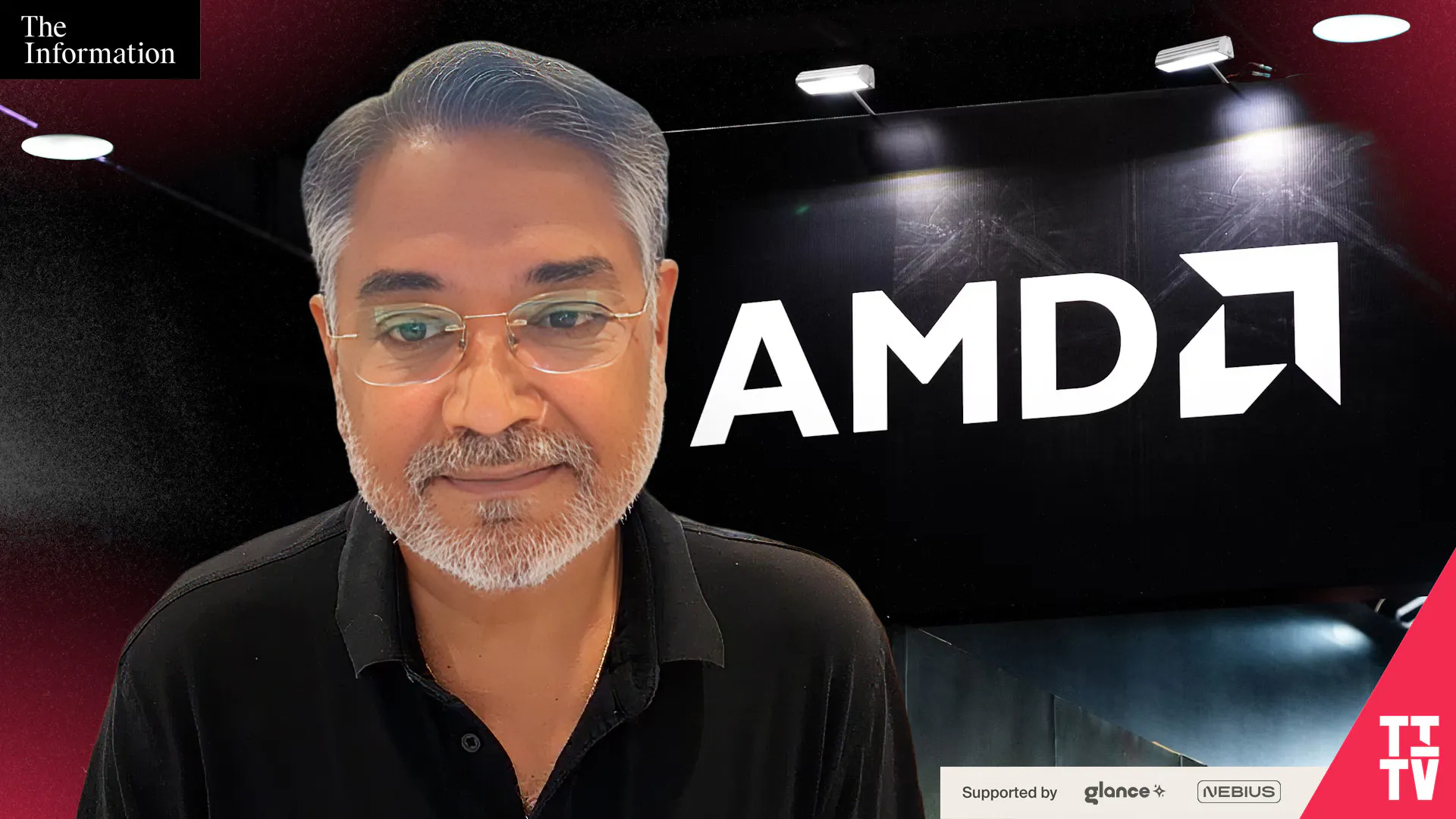
The Information’s Editor Martin Peers talks about delayed tech IPOs, and Celesta Capital’s Sriram Viswanathan discusses AMD’s purchase of World Labs.

 点赞
点赞 收藏
收藏 点踩
点踩 分享
分享