Dyson Blames ‘Water Seepage’ for Rocky Debut of $499 AI Toothbrush

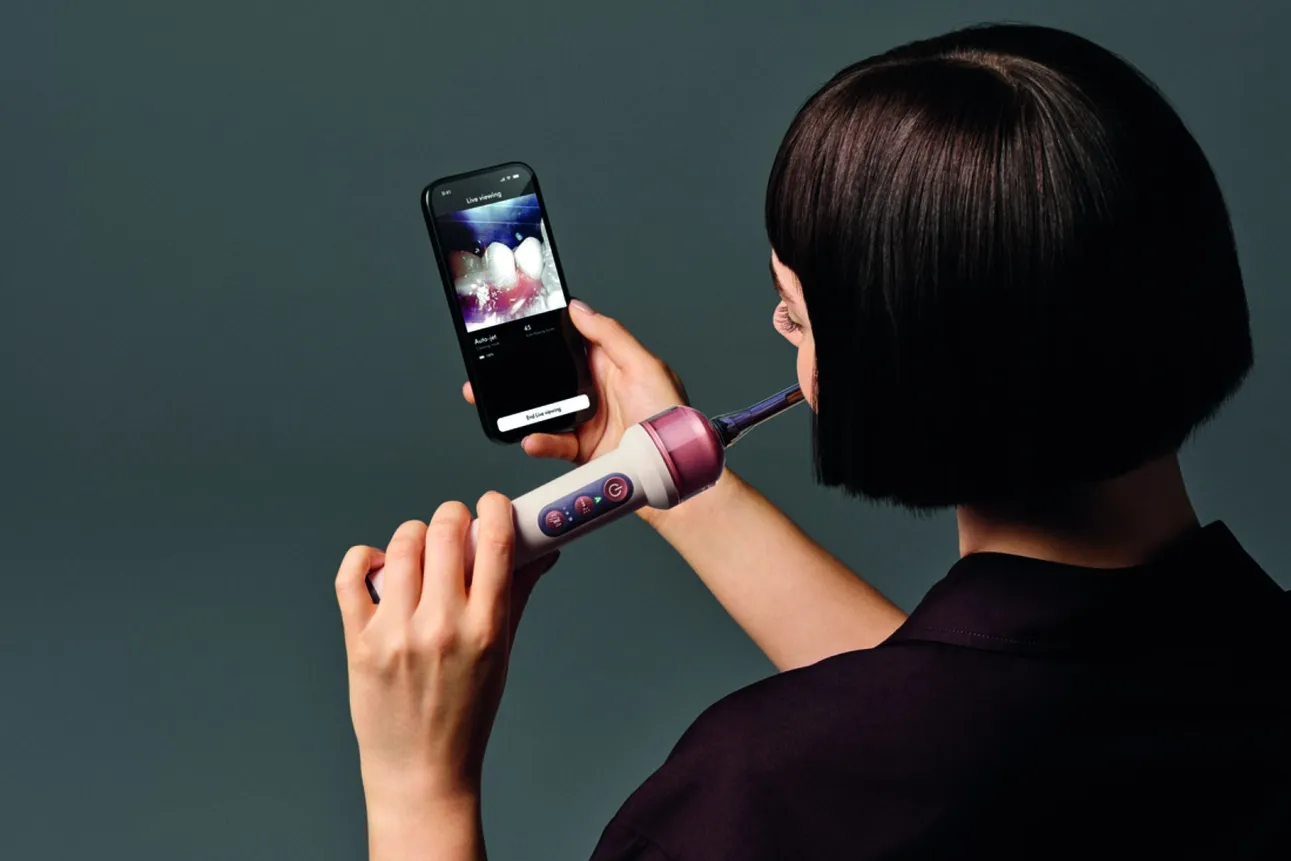
Dyson Ltd. said water seepage caused an early batch of its new artificial intelligence-powered toothbrushes to malfunction, offering its first explanation for the product’s disappearance from stores.
The $499 CameraJet uses AI and a built-in camera to give real-time feedback. The “jet” in the name refers to a spurt of mouthwash that gets directed toward plaque, functioning similarly to dental floss. Soon after the device went on sale, shoppers took to social media to report malfunctions. In some cases, users said their units abruptly stopped working after minutes of use.
Read More: Dyson Debuts $499 AI-Powered Toothbrush With a Built-In Camera
In a statement provided to Bloomberg News, a Dyson spokesperson said “one production batch of jet tubes experienced a process issue, creating a potential for water seepage which affected the performance of a small number of products.” That issue with the jet tube could cause water from within to spill out into the rest of the device.
The company chose to isolate inventory that was impacted, resulting in the device going out of stock, the spokesperson said. It is now in full production and is shipping the toothbrush to partners.
The launch of the brand’s first toothbrush was meant to be a climactic reveal following years of development, but soon after the device became available on Sept. 1, major retailers such as Best Buy Co. pulled the brush from their websites. Shipments of the product were delayed or didn’t arrive, according to Dyson salespeople interviewed by Bloomberg and users who posted about their experiences online.
Geoff, a shopper from Birmingham, England, who asked for his last name not to be published, said in an interview that his product died within the first 20 seconds of use. He said he called Dyson support, which arranged for a replacement to arrive the next day.
“I received it, charged it, went to use it and this one lasted about a minute,” he said, adding that it would falter every 10 seconds or so.
He said he spent the following two weeks on email chains with Dyson representatives trying to get a refund. “Genuinely the worst customer service I’ve ever experienced,” he said.
Some early CameraJet buyers interviewed by Bloomberg said that Dyson’s customer-service response to them was to offer a battery replacement.
In a previous statement this month, Dyson acknowledged some “reliability” issues with the CameraJet along with the low retail inventory and said it was still ramping up production. “We have had a very positive reaction to the new Dyson CameraJet and are experiencing strong demand globally,” the company said in the earlier statement. “We are seeing some shortages of supply as we are in the process of scaling up production.”
Within the company, some employees have been frustrated with how the situation was handled, said a person familiar with the matter who asked not to be identified discussing internal workplace dynamics. Some Dyson leaders who were quick to praise the project on social media on launch day turned quiet when customers began demanding answers, said the person.
In the new statement, the Dyson spokesperson apologized to consumers who ended up with a faulty product. “We are sorry that we have let down our loyal customers and we will do all we can to support them,” the representative said.
Over the years, Dyson has attempted to expand into other product categories, including washing machines, which were discontinued in 2005, and electric cars, abandoned in 2019.
However, the company found success in 2016 with the launch of its roughly $400 Supersonic handheld hair dryer and later expanded its personal care lineup. By 2023, sales of Dyson’s hair-styling products accounted for 30% of its US business. More recently, Dyson introduced the $100 HushJet Mini Cool handheld fan, which has frequently been sold out since it debuted in April.
Read More: Dyson’s New $100 Portable Fan Is Beating the Heat — and Sales Expectations
The privately held company had told Bloomberg it views oral care as its next major category, with plans to introduce related products such as non-foaming toothpaste. The brand spent six years conducting research and development for the new toothbrush, it previously said.

 点赞
点赞 收藏
收藏 点踩
点踩 分享
分享