Trump Drive for Minerals Leads Cove Capital to Eye Central Asia

A US investment firm is looking beyond Kazakhstan’s tungsten resources to opportunities across Central Asia and the Caucasus as President Donald Trump’s administration seeks to ease dependence on critical minerals from China.
While Cove Capital LLC is keeping several Kazakh fields at the center of its plans, the company is also eyeing several copper and other critical minerals assets in Uzbekistan and opportunities in Tajikistan and the Caucasus, according to Chief Executive Officer Pini Althaus.
“We are very actively involved in a number of discussions around what we call tier-one assets,” he said in an interview.
The Trump administration has been seeking to broaden its influence in resource-rich Central Asia, where China and Russia have long held sway. The White House has intensified efforts to reduce the country’s dependence on Beijing for minerals critical to defense, technology and manufacturing.
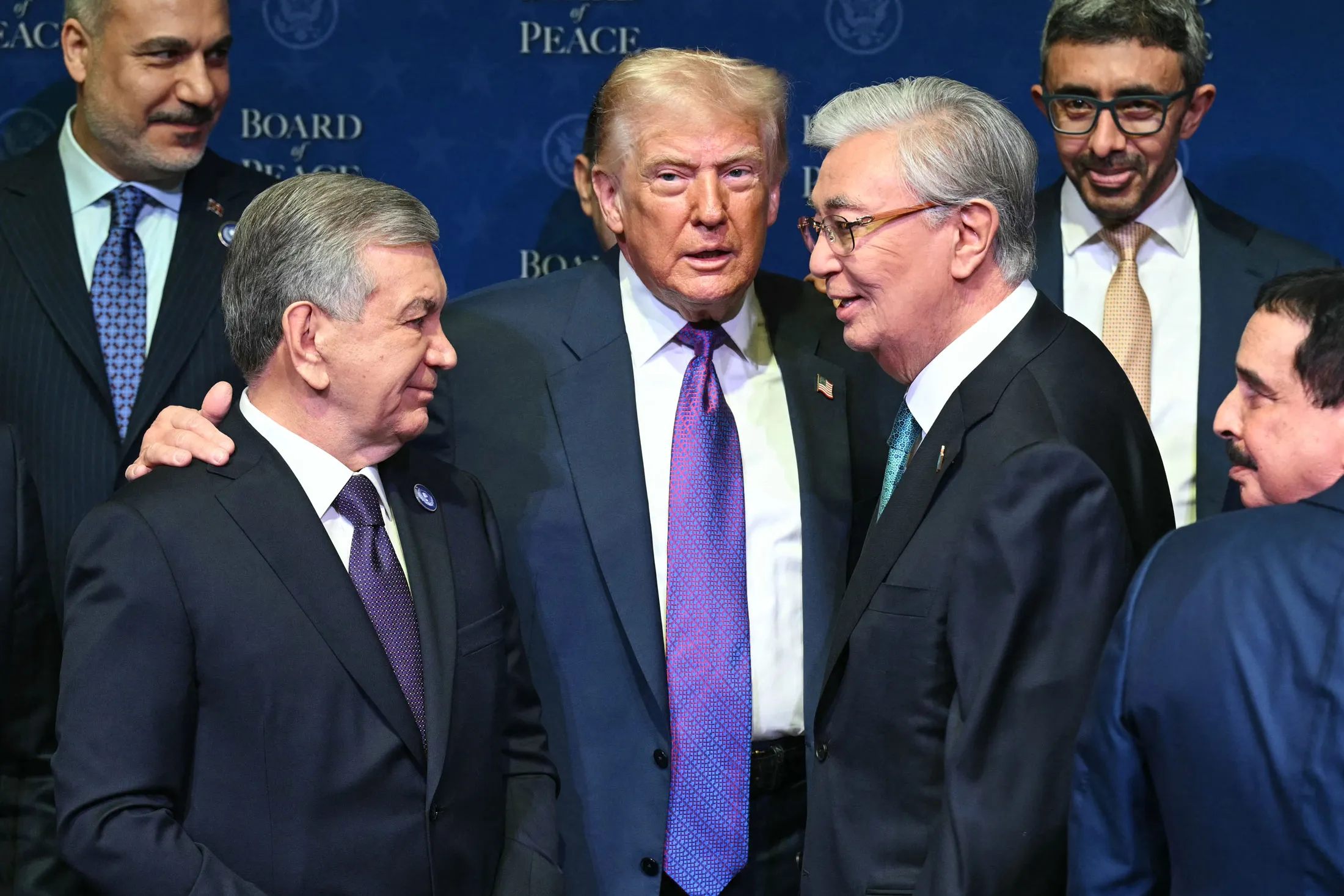
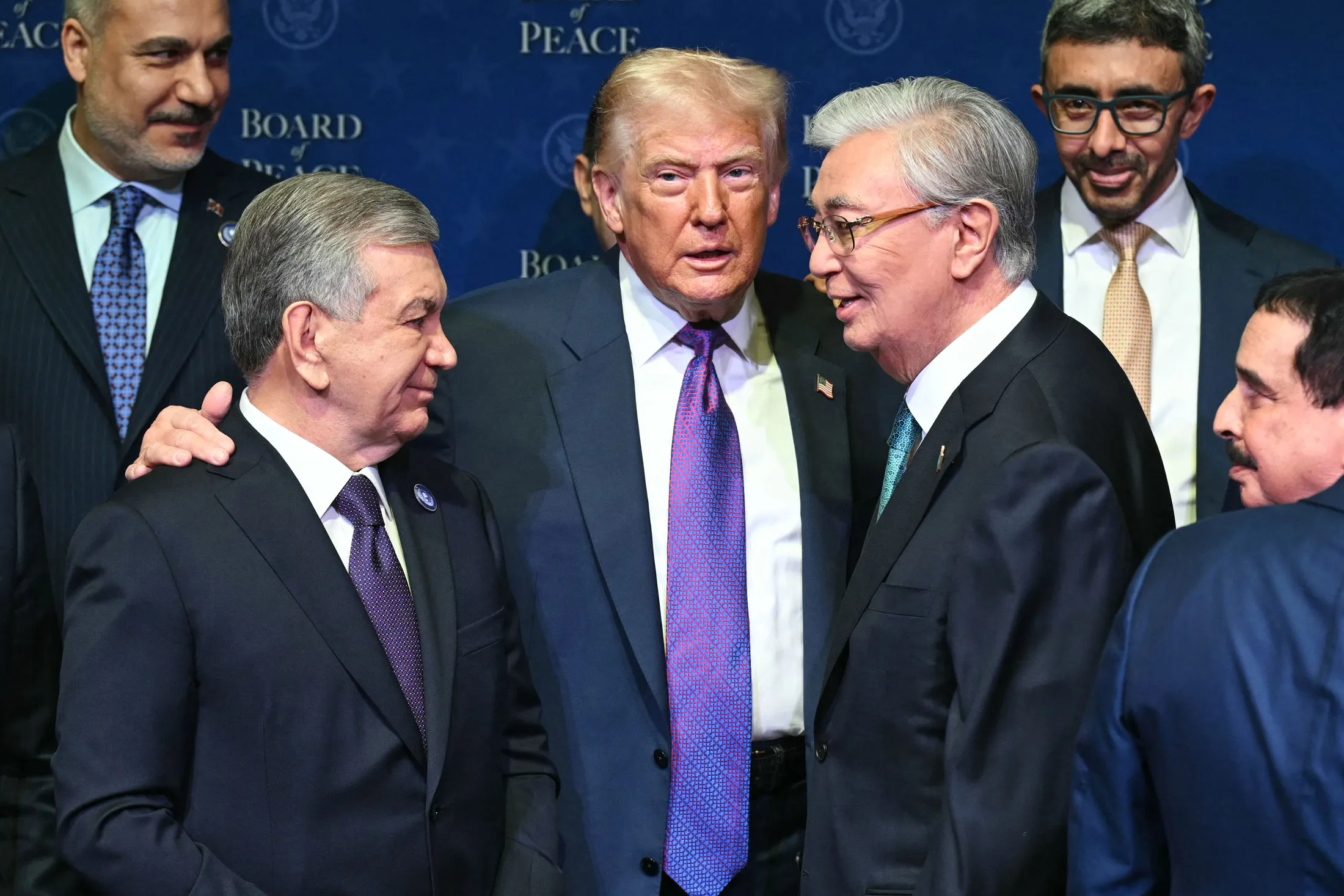
Trump hosted five Central Asian presidents at the White House for the first time last year, and invited the leaders of Kazakhstan, Azerbaijan and Uzbekistan to the Group of 20 summit in Miami in December. Secretary of State Marco Rubio is due to lead a delegation of more than 100 companies to Uzbekistan next month to meet with businesses and officials from Central Asia and Azerbaijan to boost commercial ties.
A Cove Capital portfolio company, Cove Kaz Capital Group LLC, this year acquired a 70% stake in two Kazakh deposits of tungsten, a metal used by the Pentagon to make ammunition, projectiles and other weaponry. The deposits contain about 1.4 million tons of tungsten trioxide, roughly 70% of Kazakhstan’s total resources.
Developing them could help reduce China’s dominance of the tungsten market, where it accounts for about 80% of global concentrate production and holds roughly 2.4 million metric tons of reserves, according to the US Geological Survey.
“Had we gone in there ourselves, there would be absolutely no chance of us having secured this asset,” Althaus said. President Trump negotiated directly with Kazakh President Kassym-Jomart Tokayev last year, he said.
Read more: Trump Team Backs Effort for US-Kazakhstan Tungsten Mine Deal
The US government bore some responsibility for reducing the country’s near total dependence on China for critical minerals, and that’s what is happening now, according to the CEO.
“Unfortunately, the region has been overlooked for too long by US presidents from both parties,” Althaus said. “What we are seeing now is that Central Asia has become a significant focus for President Trump and his administration.”
Cove sees investment at about $1.1 billion in the development of deposits, with the US Export-Import bank issuing a letter of interest to provide $900 million in financing. The US International Development Finance Corp. also issued a letter of interest to finance $700 million.
Read more: Trump World Eyes Towers, Tungsten, Trade in Ex-Soviet States (1)
In April, Cove Kaz agreed to merge with Nasdaq-listed Skyline Builders Group Holding in a deal that would take the privately held mining company public. The transaction also includes the acquisition of Kaz Critical Minerals LLP and its fifteen mineral licenses in Kazakhstan. The combined company plans to operate as Kaz Resources Inc. with a focus on supplying tungsten, rare earths and other critical minerals to the US.
President Trump’s older sons, Donald Jr. and Eric, are set to gain an interest in this venture through their investment in Skyline, the Financial Times reported previously. “There was never any discussion with the family before the project commitment was made. They would effectively be passive shareholders through that entity,” Althaus said.
Cove Kaz plans to start tungsten production in 2030, with capacity reaching about 5,000 metric tons a year in the first phase before rising to 12,000 tons at full build-out, Althaus said. A feasibility study is expected to be completed by the end of next year, though the company may begin some site preparation work before then.
The company is in talks to finance it through off-take agreements, in which customers commit to buying future production, and may reach an agreement this year, Althaus said. “We are already seeing demand close to 150% of what we can produce at full capacity and this is still very early stages.”
Althaus said he believes that the project and the interest in the region will survive even when the US has a new administration.
“The train has already left the station,” the chief executive said. “The benefits and opportunities are now clearly understood in Washington by members of both parties.”

 点赞
点赞 收藏
收藏 点踩
点踩 分享
分享