AI Startup Heidi Doubles Valuation to $900 Million in New Round

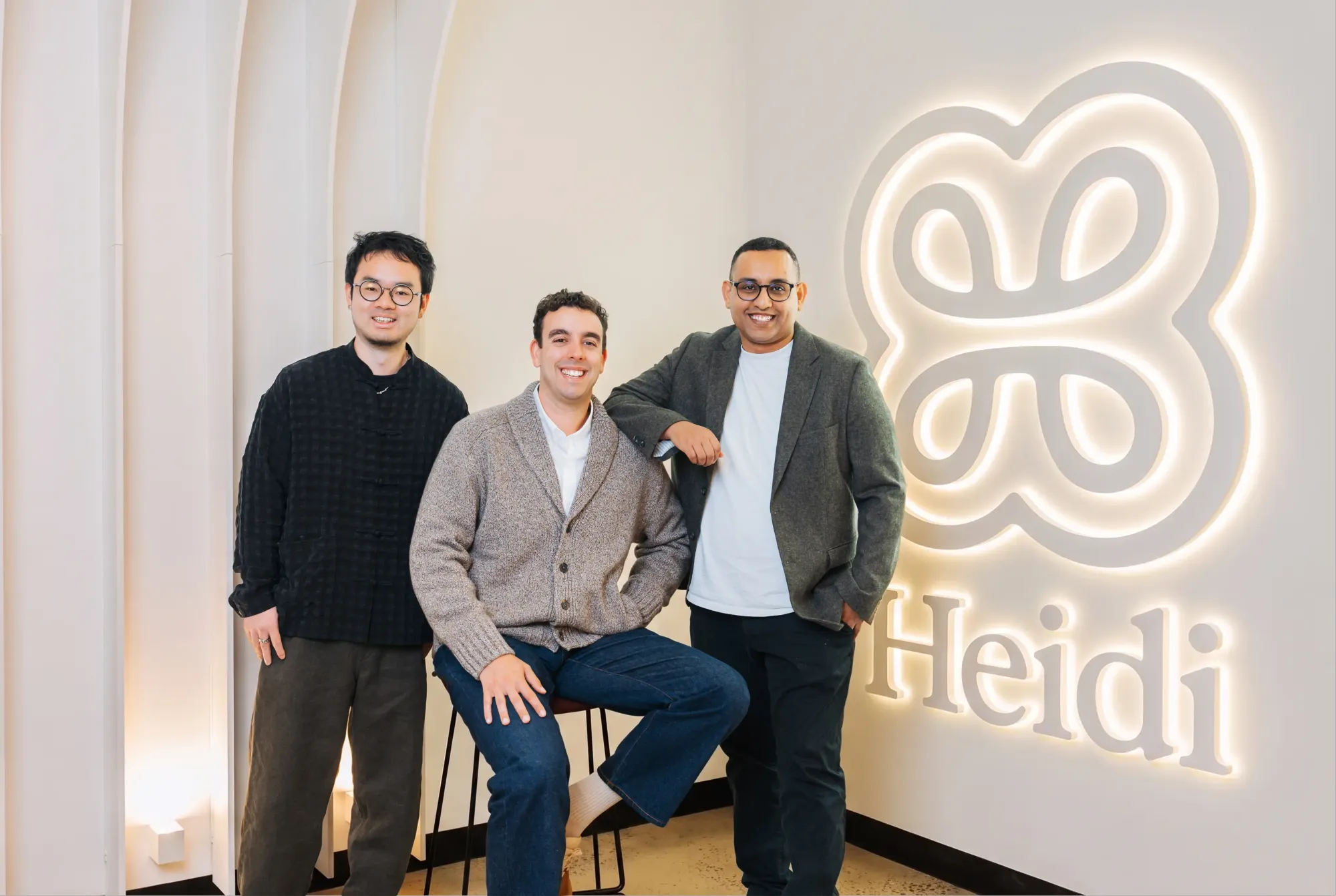
Heidi, an artificial intelligence startup which helps doctors automate clinical notes and other administrative work, raised $340 million to tap growing demand for AI tools that can make healthcare workers more productive.
The sum includes $100 million from an equity round, the Australian startup said in a statement Tuesday. The Series C round, led by existing investor Blackbird Ventures, values the startup at $900 million, almost double the price tag from its previous round.
A further $240 million will come from General Catalyst’s Customer Value Fund, a debt-like financing instrument which will fund Heidi’s sales and marketing costs as the startup expands. In return, General Catalyst — which doesn’t own any stock or warrants — will receive a return of the revenue generated from that spending, up to an agreed cap, on top of its initial investment.
Investors have shown growing interest in AI tools aimed at increasing efficiency in the healthcare industry, with startup Forus raising $150 million this month and Latent $80 million earlier in the year. Heidi and its peers are betting that doctors and healthcare firms opt for specialized services rather than more general-purpose AI apps.
“Healthcare is really hard and there’s a lot of setup and configuration,” co-founder and Chief Executive Officer Thomas Kelly said in an interview. “All our existing data show that our customers stick around.”
Heidi has raised a total of more than $430 million, including the fresh funds and a $65 million round last year.
The startup is adding more AI features including agentic tools and expanding in markets in Asia and the Middle East, Kelly said. It is integrating with larger healthcare organizations and plans to buff up its local teams in countries such as the US, UK and Australia, expecting to add as many as 150 staff over the next year. It currently employs close to 600 people.
“The ambition was always bigger than writing doctor’s notes — I imagined that AI would sit alongside clinicians and complete real work under their supervision,” Kelly said. “Over the next six to 12 months, Heidi will be able to handle most of the tasks that a doctor wants us to.”
Heidi’s platform, which lets doctors take photos of patient materials and summarize the information, has been used for more than 175 million patient visits in 110 languages. Annual recurring revenue hit $50 million in April, up from $1 million about two years earlier.
Customers include public and private health systems such as The Royal Children’s Hospital Melbourne and the Children’s Health Queensland Hospital and Health Service. In the UK, Heidi is the sole supplier for the NHS England Midlands, and in the US it’s used by Beth Israel Lahey Health in Massachusetts.
To be sure, there are concerns about the use of AI in healthcare. Some 60% of American adults said they would feel uncomfortable if their doctor relied on AI to make their diagnosis, according to a 2023 Pew Research Center survey.
There are “still many, many hospitals and organizations that are only just making their first decisions,” Kelly said. “Organizations are realizing AI can be really exciting, but there are some risks and problems that can arise, and they need to work with companies that are focused on those areas.”

 点赞
点赞 收藏
收藏 点踩
点踩 分享
分享