Meta’s Muse Tries (and Fails) to Disrupt Amazon


Everyone loves a brawl between two big tech firms—even other tech CEOs. Amazon’s block on Meta Platforms’ new Muse personal agent accessing its shopping site, which came to light Sunday night, prompted Palo Alto Networks CEO Nikesh Arora to post on X on Monday that the episode signals “a bigger battle than anyone anticipates.”
He may be right: while Amazon has previously blocked Google and OpenAI shopping bots without drama, Amazon’s action against Meta is a bit more reminiscent of its blocking of Perplexity’s agent, which sparked a lawsuit that is still underway. And this is just the beginning. Arora, for instance, predicted that eventually everyone from Apple to Google and the AI firms will offer similar personal agents. (See our report today on what OpenAI is up to.)
And “over time,” pressured by consumers, services with “moats” will provide access to these agents, Arora argued. Those services include ”restaurants, groceries, drivers” (presumably Amazon as well), plus “content” companies with copyright protections. Arora is alluding to a future—one techies often discuss—where people don’t visit individual apps or websites anymore, instead relying on their agents to do everything. (Sounds perfect for a cybersecurity firm that would need to clean up the mess when the agents go rogue.)
Arora’s post suggests Amazon is in the same position as news publishers (and enterprise software firms) in fighting AI firms over control of its site and the underlying data. There’s an irony to the idea that Amazon, the great disrupter of the shopping business over the past 30 years, is itself faced with disruption. But the story is more nuanced. All the big tech companies have data they want to protect from agents. Imagine if Amazon created an agent that trawled around Facebook on a consumer’s behalf, grabbing whatever they wanted without Meta’s permission? Or if an AI agent offered its user a movie pulled from Netflix—and then the AI firm behind the agent inserted its own ads in place of those from Netflix?
For that reason, all of the big companies—including Meta—have an incentive to agree on guidelines for how agents can operate across each of their apps. Amazon CEO Andy Jassy has said in the past on earnings calls that Amazon was “having conversations” with other companies wanting to run agents for commerce. I hear that those talks are still underway. (For more on this, see Jessica Lessin’s interview with Jassy from January on this and other topics.)
Don’t hold your breath for a quick agreement. A lot has to be negotiated, including how money will change hands. According to Alex Heath’s Sources newsletter, CEO Mark Zuckerberg thinks Muse can make money by “taking a small cut of transactions.” Can you imagine a retailer like Amazon giving up a “small cut” of purchases from its retail business, which isn't known for high profit margins?
Amazon has time to work things out. After all, consumers are not exactly battering down the door to be allowed to use agents. AI isn’t broadly popular in the U.S. right now, and recent publicity about the risks it poses won’t help that. Despite the attitudes of those in Silicon Valley, it’s a good bet that most people are not willing to hire an AI agent to do all their shopping for them.
Indeed, I used Muse today to try and buy a couple of items from small retail outlets—a pen and a notebook, an (older) reporter’s key tools—and found that while the process on Muse was surprisingly smooth, it was still a lot faster and easier to go directly to Amazon.
Muse Gives Meta Stock a Lift
Despite the hiccup with Amazon, Muse appears to be driving enough upbeat chatter to impress investors. Meta stock jumped 11% on Monday to $741, its highest closing price in a year, amid lots of positive news coverage of consumer demand for Muse’s app.
The Wall Street Journal cited one analyst who predicted on Monday that Muse could add $28.5 billion to the company by 2030, presumably in revenue (Meta’s revenue last year was $200 billion).
To be sure, Monday was a positive day in the markets generally. Amazon shares rose nearly 2%, for instance, a sign that investors aren’t taking sides in the Amazon-Meta duel.
• OpenAI released a proposal on Monday that would create international coordination around AI safety. In a blog post, OpenAI called for national AI safety institutes, such as the U.S. Commerce Department’s Center for AI Standards and Innovation, to set standards around areas including model evaluation, risk assessment and incident reporting.
• Paramount Skydance settled a lawsuit filed by 12 states that had threatened to stop its $110 billion purchase of Warner Bros. Discovery. The settlement, filed in court on Monday, clears the way for the deal to close (more details here).
Today on The Information’s TITV
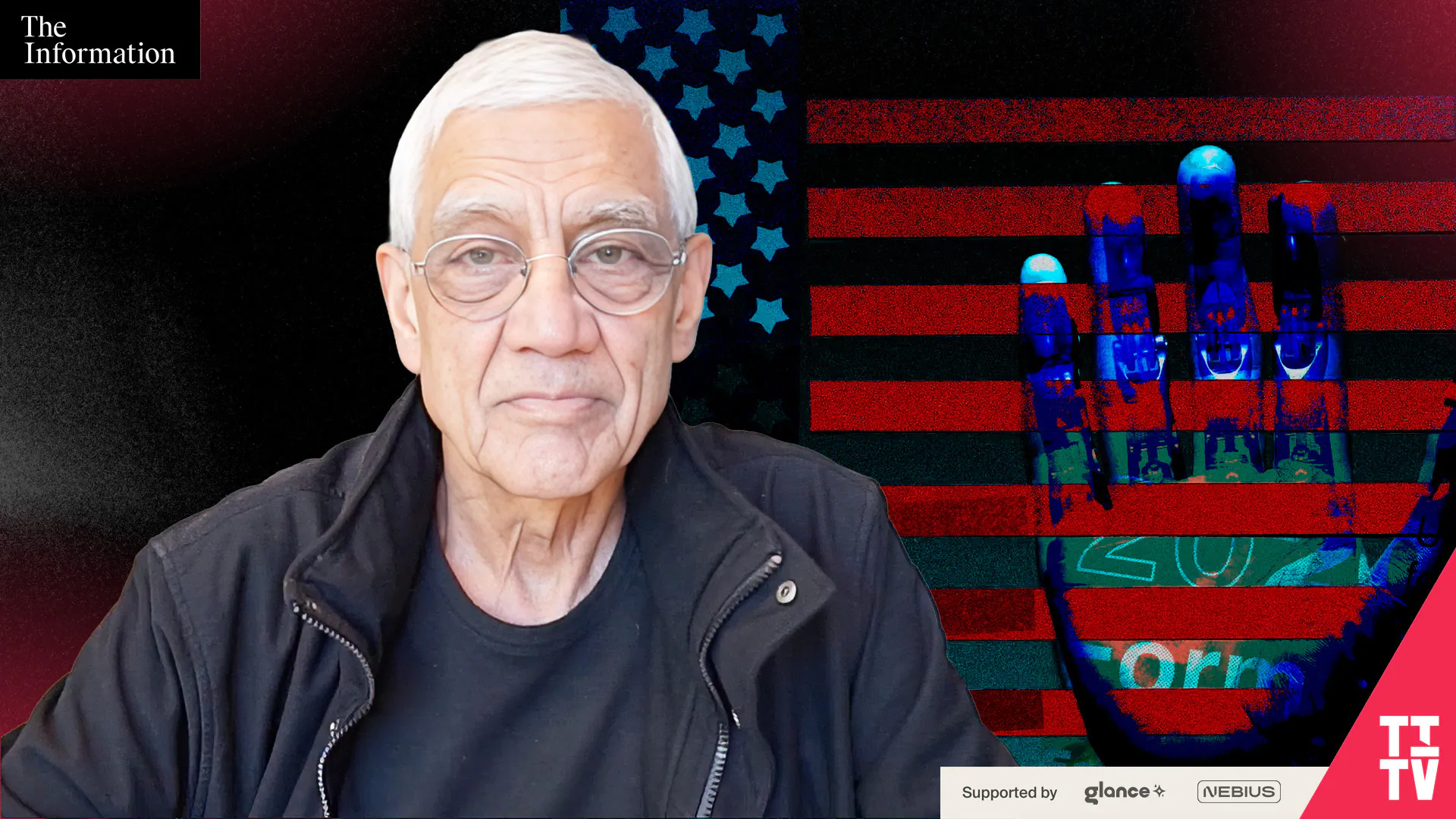
Check out today's episode of TITV in which we speak with Vinod Khosla about his view on AI safety regulation.

 点赞
点赞 收藏
收藏 点踩
点踩 分享
分享