Strutt's Awesome Powered Wheelchair is Not a Wheelchair (For Legal Reasons)
Let's say you've assembled a team and designed an awesome powered wheelchair. One that works better than incumbent designs and is easy on the eyes.
How do you bring it to market? In the U.S., the process is onerous and regulation-ridden. Wheelchairs are considered Class II medical devices, like an infusion pump or an X-ray system. That means that you have to file tons of paperwork with the FDA proving that your design clears numerous hurdles.
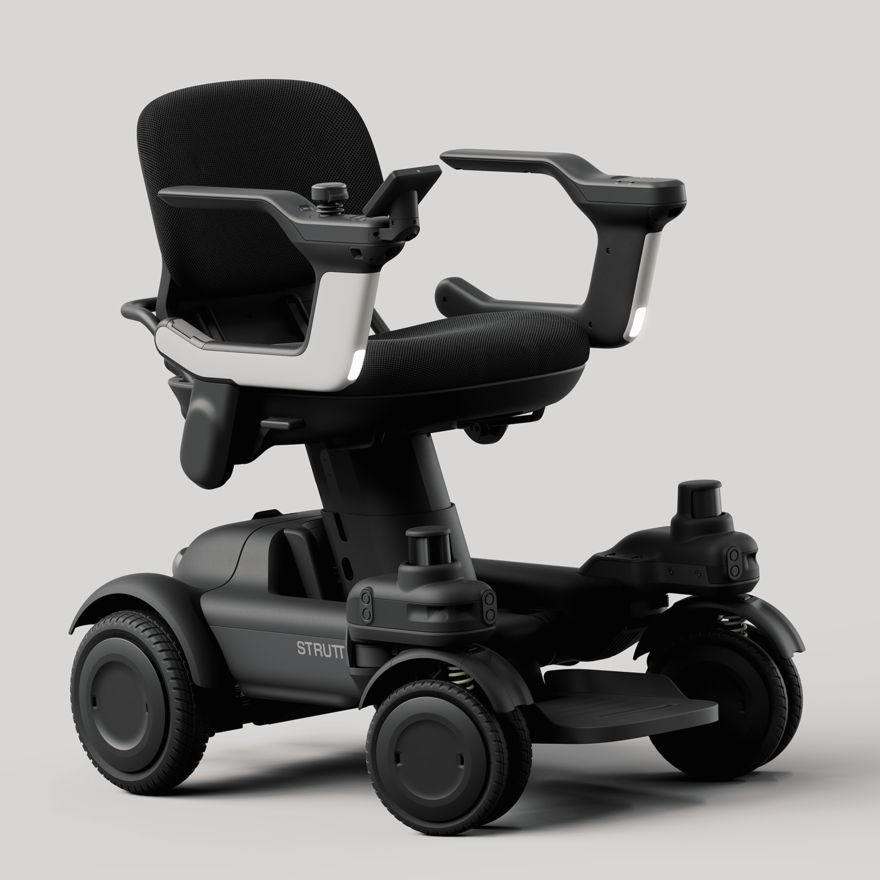
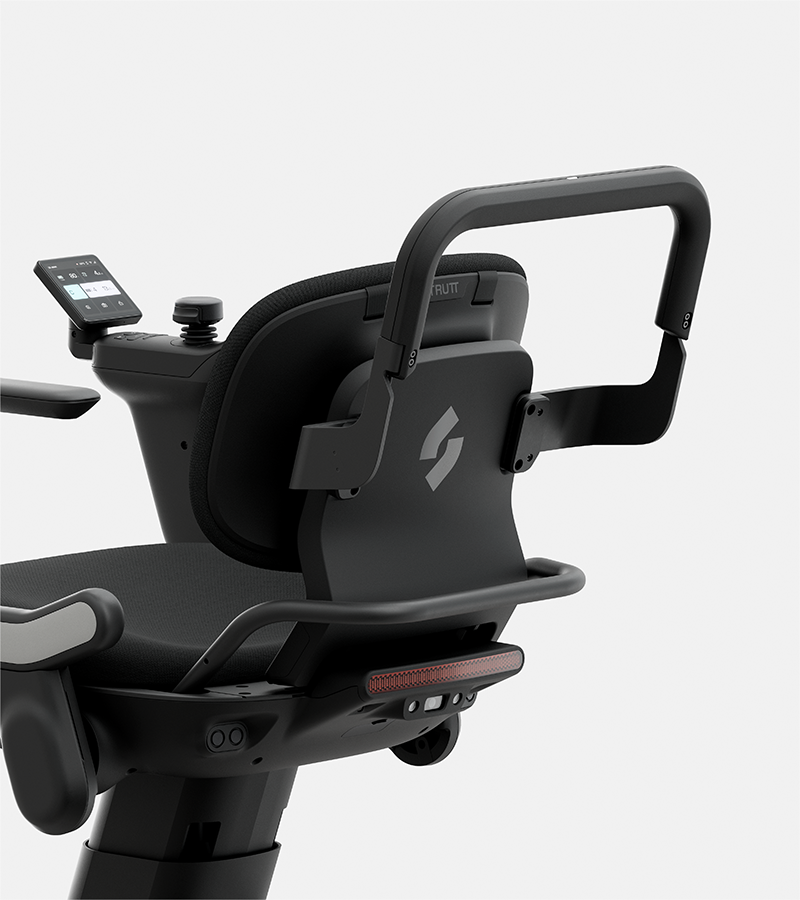
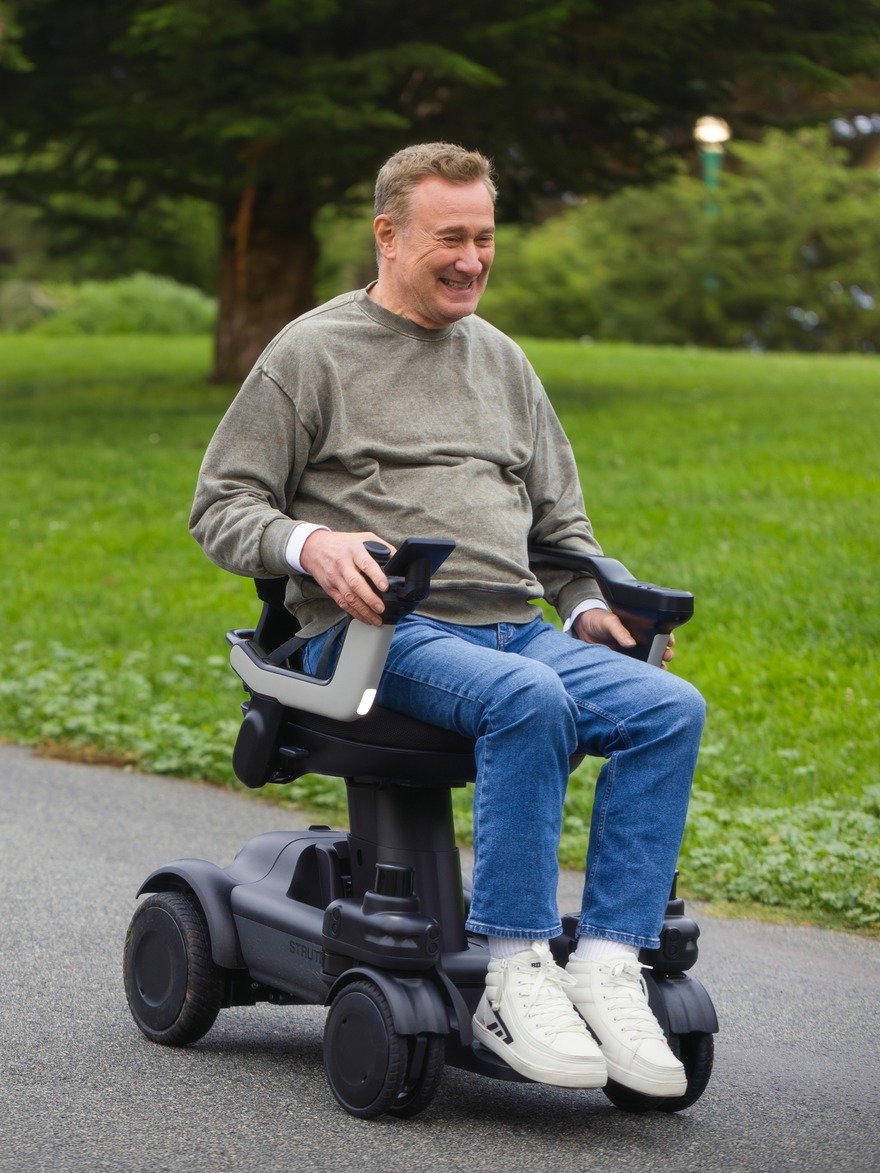
Or you can do what Singaporean startup Strutt did: Just not label it a wheelchair and bring it to market, demonstrating what it can do. The Strutt ev¹ has four electric motors—one in each wheel—and features both electronic stability control and anti-lock brakes.
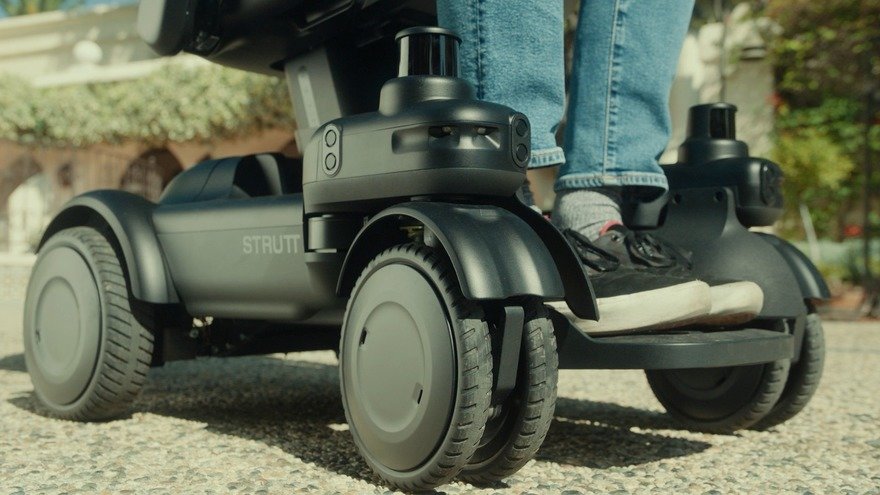
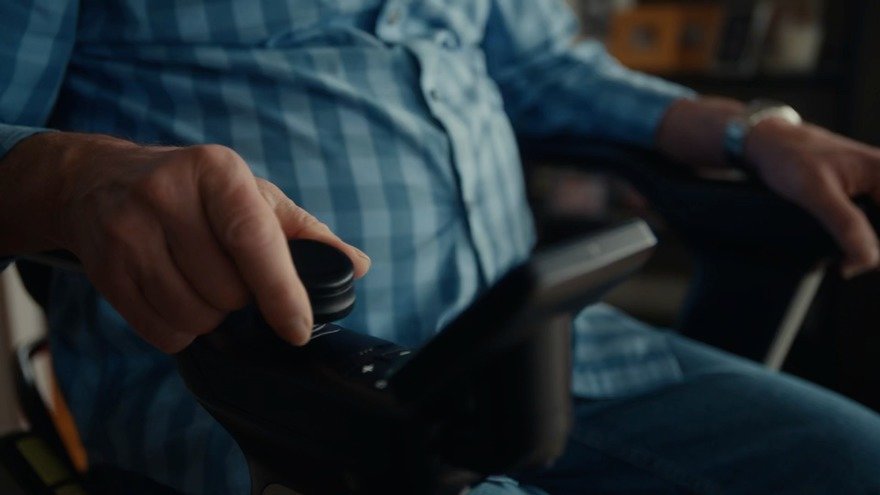
It is joystick-driven, but onboard cameras and sensors allow you to use Pathfinder and Waypoint modes, where it can avoid obstacles and self-drive to user-mapped points.
It can climb a 13° slope, clear a 2-inch curb and cross a 4.7-inch gap.
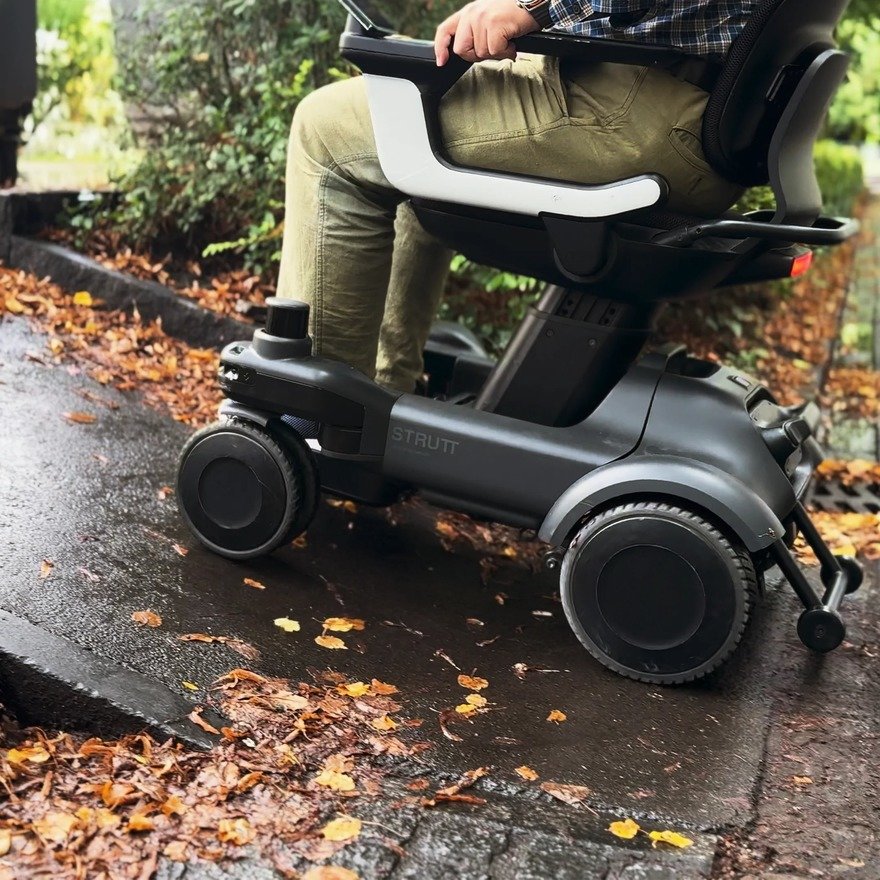
If you're heading down a steep slope, the powered wheels ease the descent.
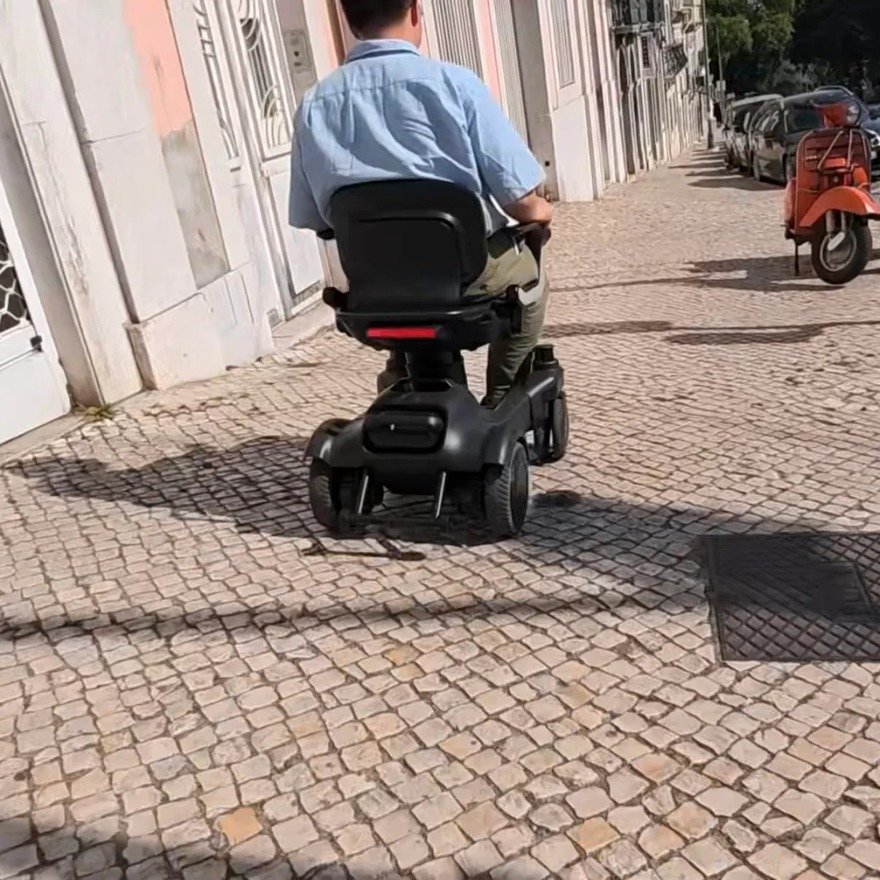
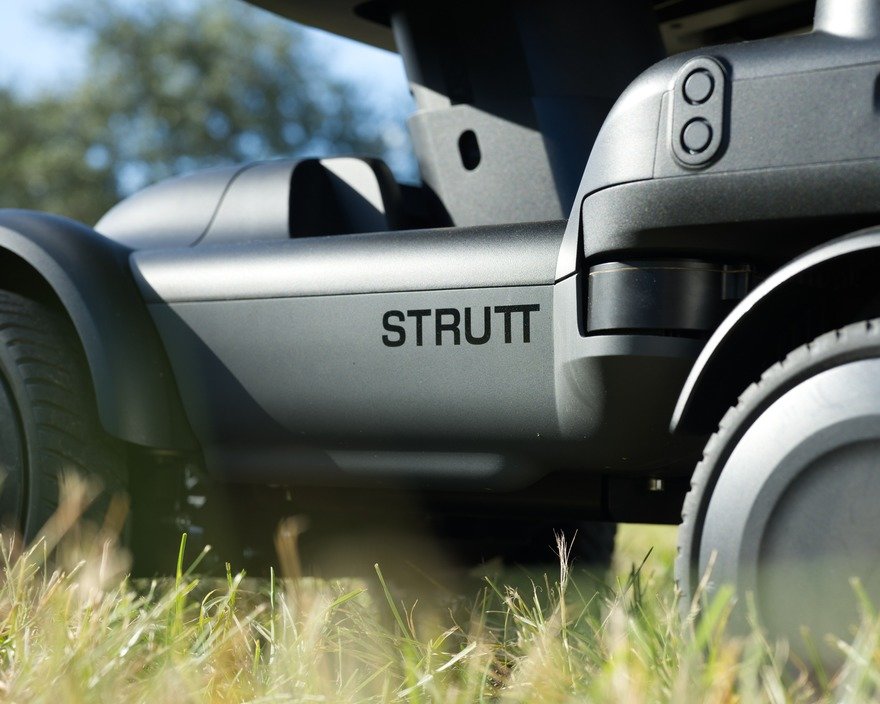
Its wheels are also designed to drive over grass and gravel.
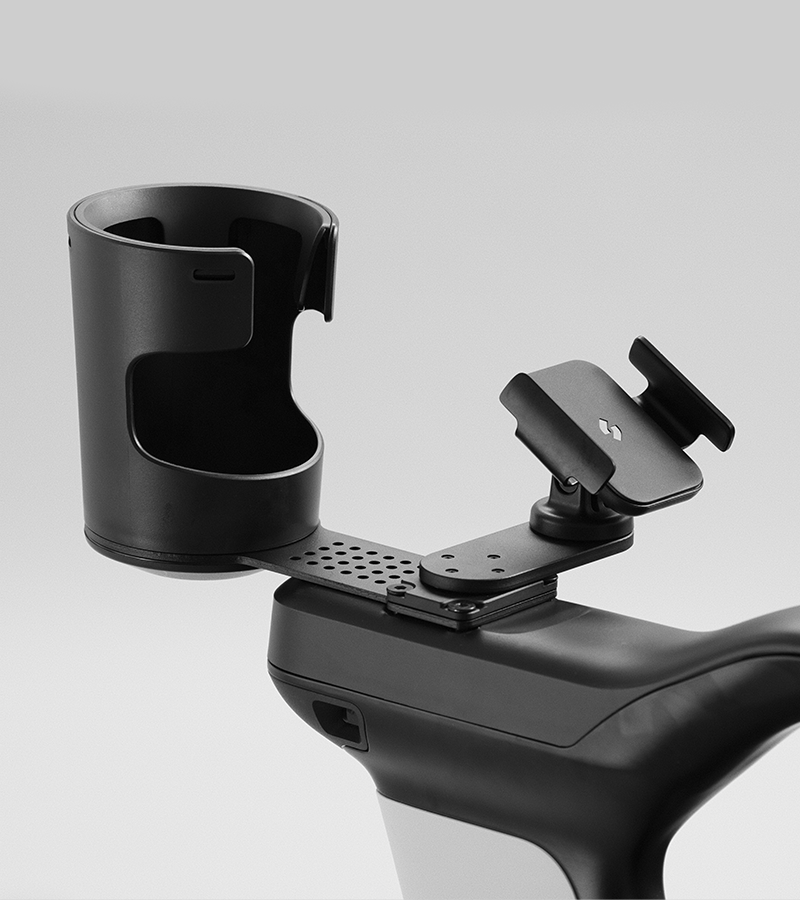
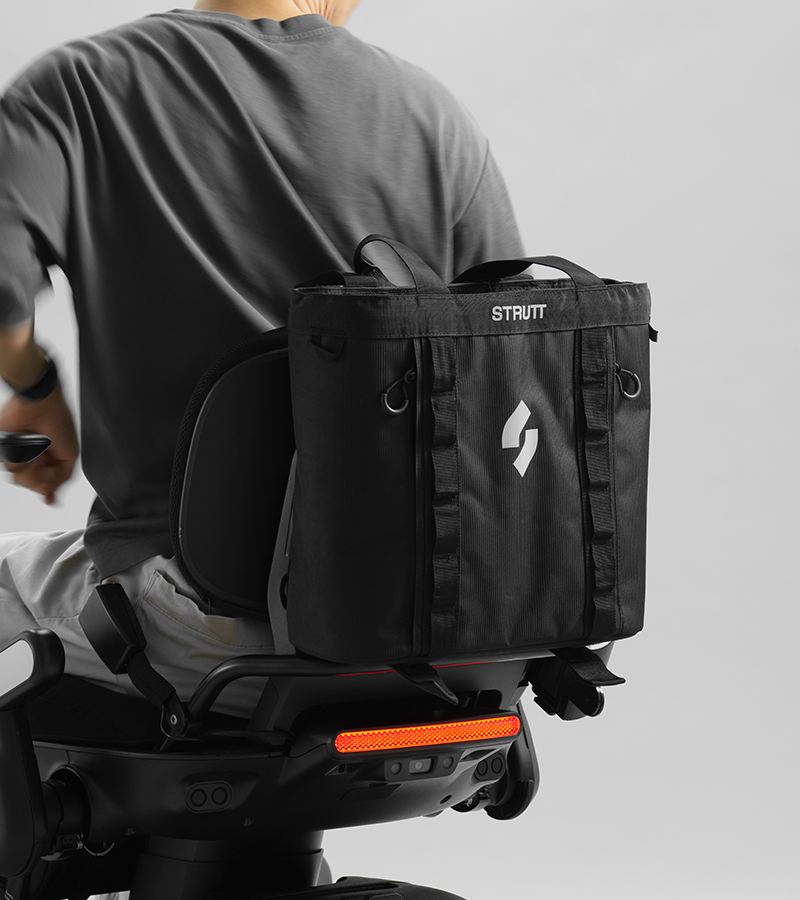
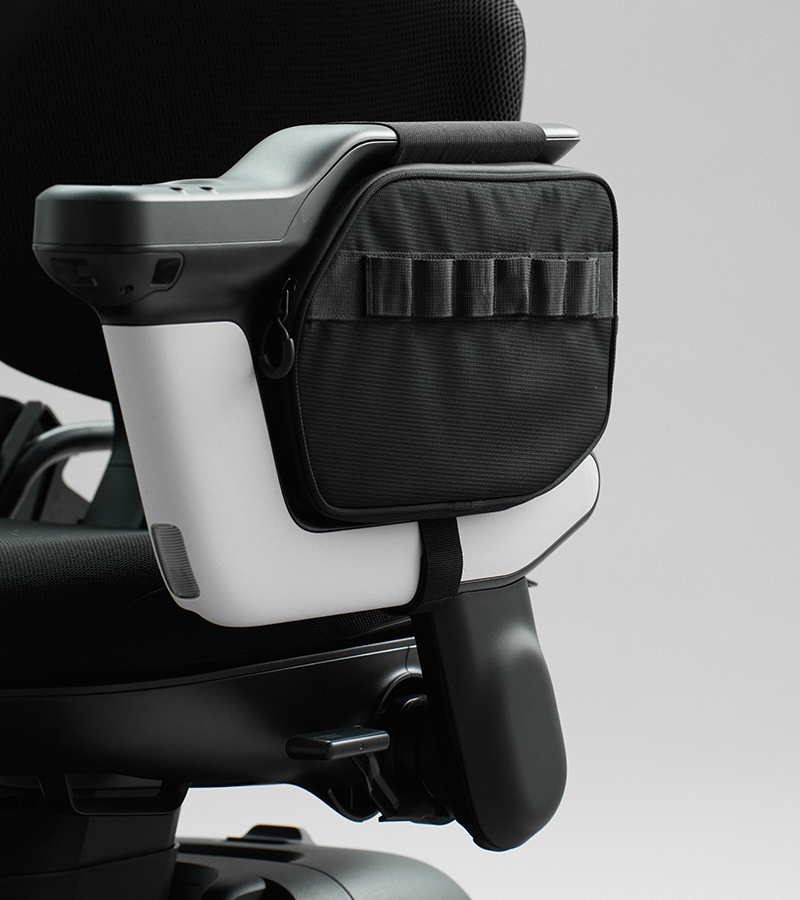
It can be fitted with onboard storage.
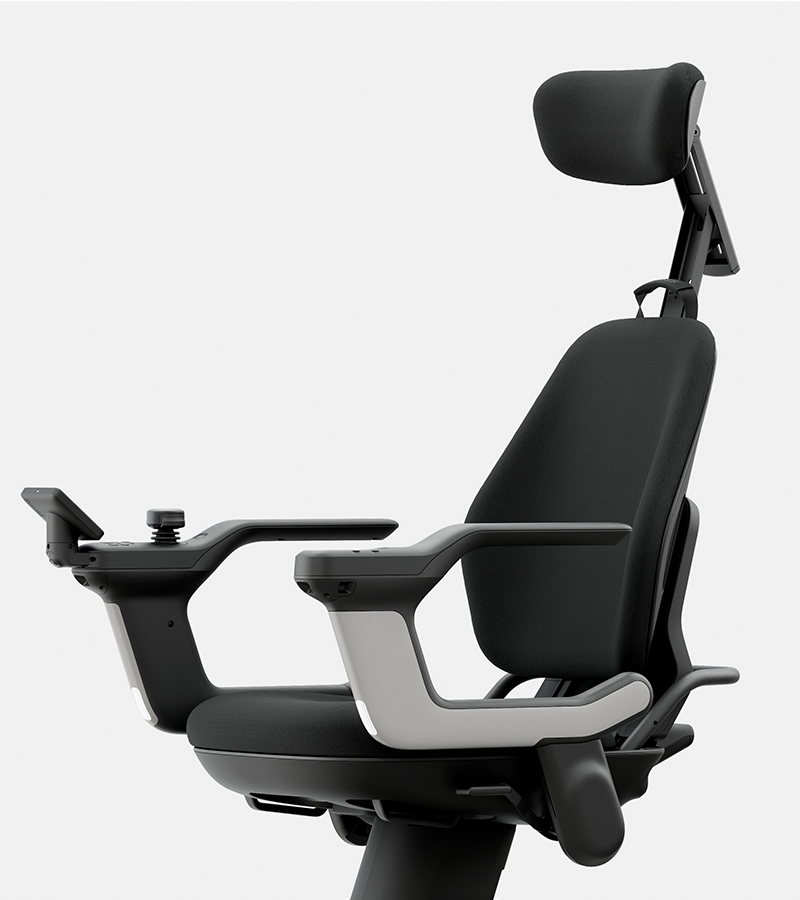
There are two potential downsides for wheelchair users. One is that insurance won't cover it, since it's not a certified medical device. Two is that its 640 Wh battery isn't cleared for air travel, so you can't fly with the chair. (The company says they're working on an airline-compliant battery.)
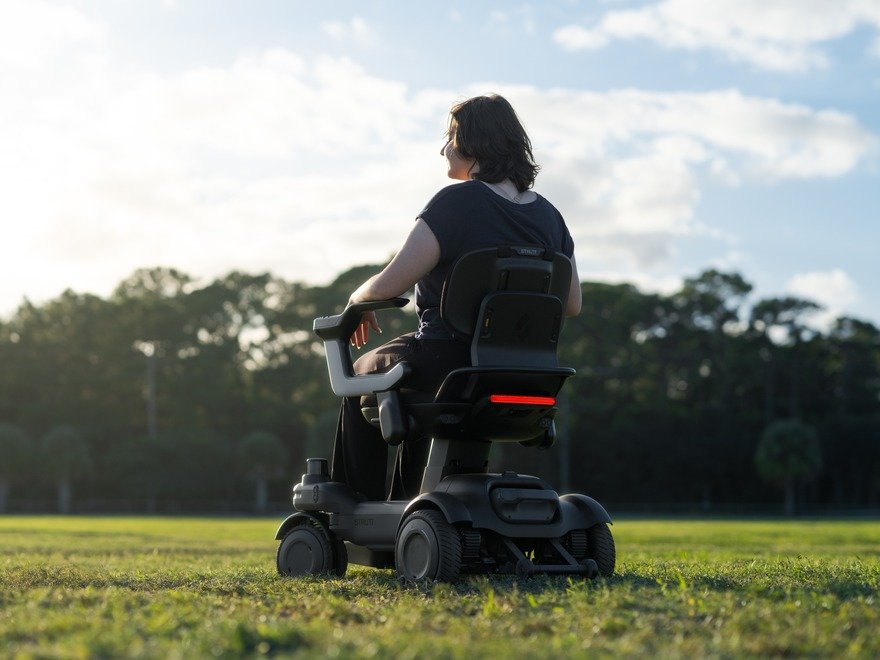
The ev¹ runs $7,500. You can learn more about it on the company's website, where they take pains to refer to it as a "smart everyday vehicle," rather than a wheelchair.

 点赞
点赞 收藏
收藏 点踩
点踩 分享
分享