Japan’s Preferred Networks Seeks IPO to Keep Up in AI Chip Race

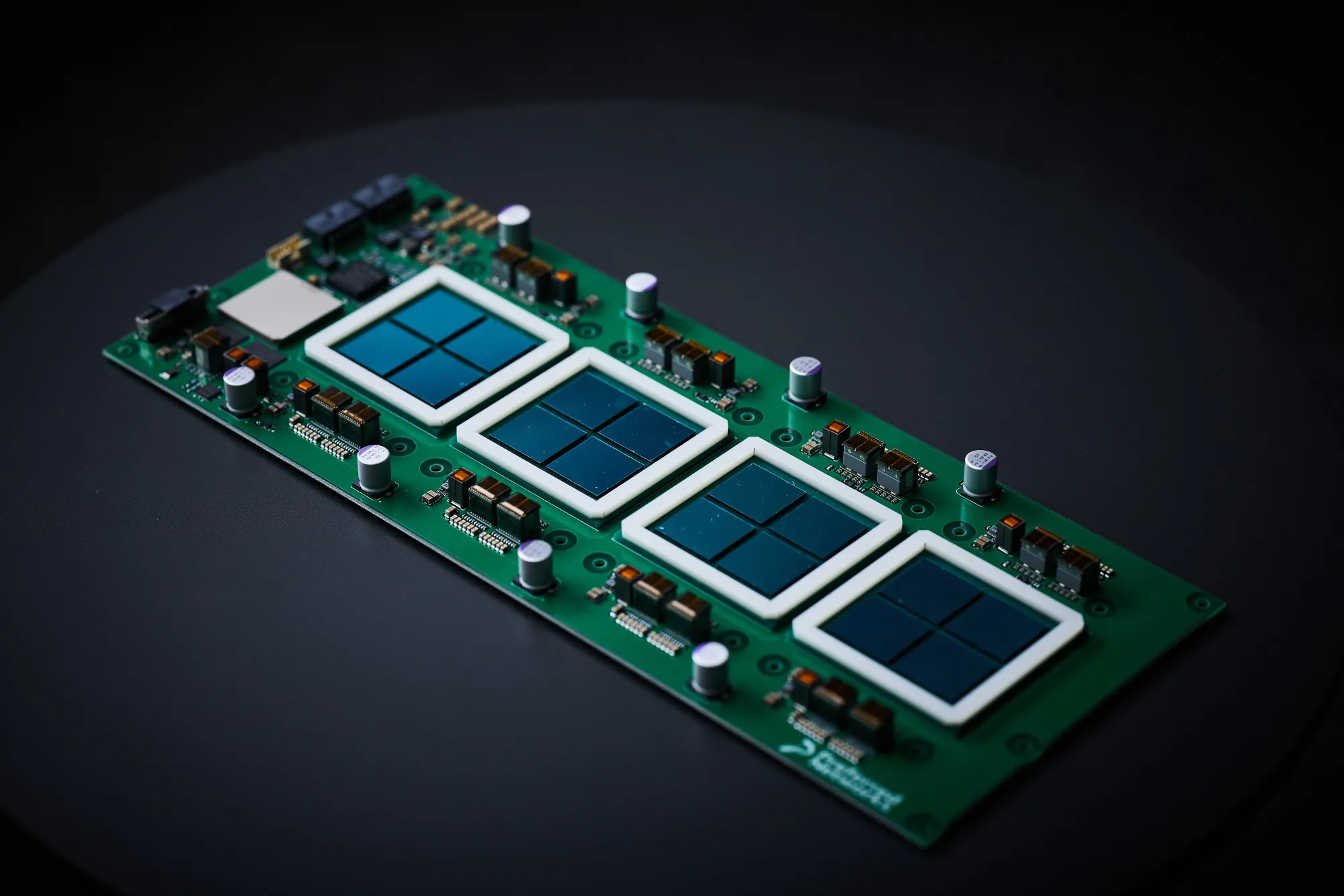
Japanese startup Preferred Networks Inc. is seeking to go public to mass-produce its chips, a reflection of the rising cost and scale needed to stay relevant in a global AI race.
The Tokyo-based outfit, one of the country’s few closely held businesses with a billion-dollar valuation, is stepping up efforts to custom-design semiconductors tailored to run AI models. It plans to deliver the samples of its newest chips to customers in the first half of next year, Chief Executive Officer Daisuke Okanohara said in an interview Monday.
A commercial launch to corporate clients both at home and overseas is slated by December of 2027, he said, adding that the goal is to make the company profitable in three years, at which point the company will be ready to go public.
“We will need to consider an initial public offering over the next few years to finance the huge capital needs for our semiconductor business,” he said.

The public debut plans are a reversal of a years-long commitment to engineering independence, with executives arguing that support from investors such as Toyota Motor Corp. and Fanuc Corp. was sufficient. The pivot underscores how costly it’s now become to keep up in AI hardware, with de facto standards dominated by Nvidia Corp.
The startup needs far more scale than it previously expected to meet growing demand for an alternative to Nvidia’s AI accelerators, according to Okanohara. Customers around the world are looking to cut procurement and operating costs and lower reliance on the US company, he said.
Preferred Networks is readying its MN-Core L series, designed for generative AI inference — running rather than training models — and the first semiconductors the company aims to sell commercially. The chip design offers low-latency AI processing for devices and robots, the company said. Preferred Networks has been working on AI hardware for about a decade, but its chips have so far been used mainly by a small number of research institutions and university laboratories.
Securing a manufacturing partner is a major obstacle, however. Booming investment in AI hardware is spurring shortages of key component while production capacity remains scarce at foundries.
The company is already facing “significant challenges” to secure capacity, with chip companies around the world negotiating priority for the mass production of their chips, Okanohara said. The MN-Core L series will use a legacy node at Taiwan Semiconductor Manufacturing Co., he said. “The risk isn’t whether we can sell the chips, but whether we can make enough of them.”
Preferred Networks also develops large-language models tailored for industrial use, while working with Japanese companies including SoftBank Corp., Sony Group Corp. and Honda Motor Co. to develop a domestic multimodal foundational model through the joint venture Noetra Corp.
Read more: Japan to Buy Nvidia Rubin Chips to Build an AI for Robots
All countries need domestic alternatives across the AI ecosystem to prevent the risk of suddenly losing access to key hardware, network devices and software, Okanohara said. He pointed to the US government’s temporary ban on the use by foreign nationals of Anthropic PBC’s Claude Fable and Mythos models earlier this year as a cautionary example.
In 2006, Okanohara and Toru Nishikawa co-founded the company from which Preferred Networks originated when both were graduate students at the University of Tokyo. The duo and their colleagues focused on engineering rather than raising the company’s profile, something Okanohara said he now regrets.
The two should have promoted the company more aggressively, especially overseas, he said, adding that Preferred Network’s AI models are developed from scratch and can compete globally.
Many more projects are in the pipeline, he said. “We’re going to bring AI services originating in Japan to the world.”

 点赞
点赞 收藏
收藏 点踩
点踩 分享
分享