10 Car Trends Shifting What Drivers Actually Value

The average transaction price for a new vehicle in the U.S. consistently hits around $49,200–$49,800 in mid-2026, according to Kelley Blue Book. This isn’t pocket change; it’s a financial commitment that rivals a small mortgage. The days of simple mechanical fixes are fading, replaced by complex electronics and systems. A new car purchase today feels less like buying transportation and more like navigating a dating app, full of shiny profiles and questionable long-term prospects. Anyone who’s tried to find a specific obscure part for a decade-old gadget knows the frustration this brings. This breakdown cuts through the marketing noise, identifying cars and tech that genuinely shape your ownership experience. What’s truly worth that investment, and what’s just another expensive distraction?
10. Average Transaction Price of New Cars in the US (2026)
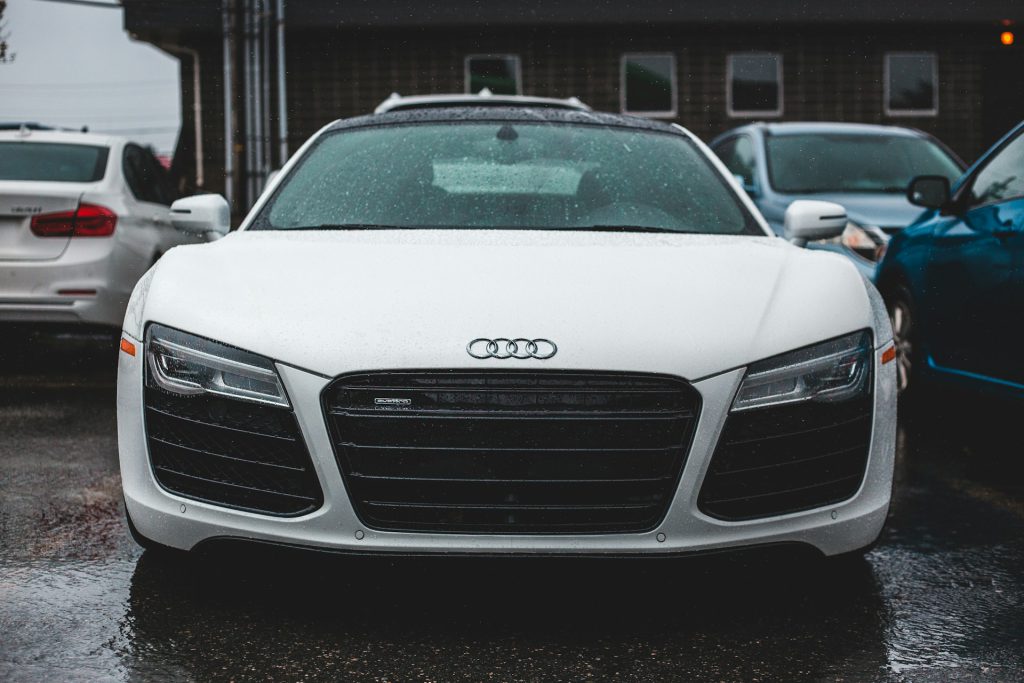
That $50,000 sticker isn’t just sticker shock anymore; it’s the new normal.
The average transaction price for a new car in the U.S. now consistently pushes almost $50,000. According to Kelley Blue Book, mid-2026 figures hovered between $49,200 and $49,800, making sticker shock a national pastime. This upward climb in cost forces buyers into longer financing durations, stretching payments across five, six, or even seven years. What used to be a significant purchase now feels like signing up for a second mortgage, without the equity.
Beyond the sticker price, soaring insurance rates become the next punch to the gut. Modern cars, riddled with tech and airbags, make repairs expensive. A fender bender can turn a minor incident into a financial black hole. Monthly payments are just the appetizer. The overall cost of ownership keeps on giving, like a subscription nobody remembers signing up for.
9. Market Proliferation and Homogeneity of Modern SUVs and EVs
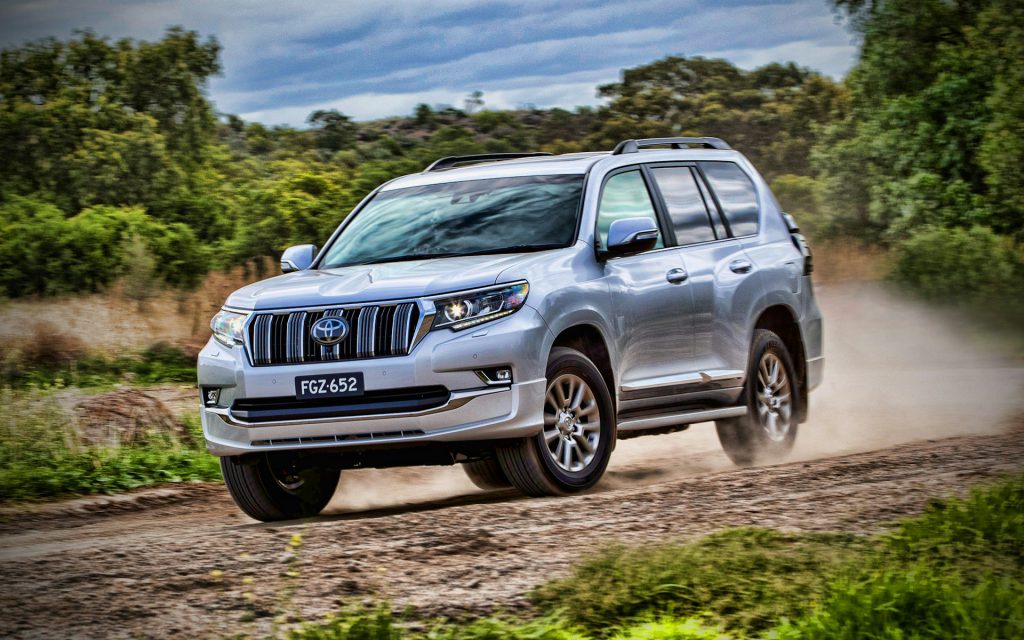
When everyone’s selling the same crossover with a different grille, choice becomes an illusion.
The global light-vehicle market now overflows with models, making distinctiveness a rare commodity. Multiple brands produce SUVs of identical size and class, often sharing modular architectures. This proliferation extends to EVs, which frequently boast similar battery sizes and comparable power outputs.
Standardized tech, like the pervasive large central touchscreens, further blurs the lines. Countless options exist, yet nothing feels truly original. Finding unique value has become a relentless game of ‘spot the difference’ where the prize is just another crossover. You are looking for something distinctive, but every showroom offers a slightly different shade of the same color, leading to significant choice overload and product fatigue.
8. Ford Mustang Mach-E (Electric Mustang SUV)
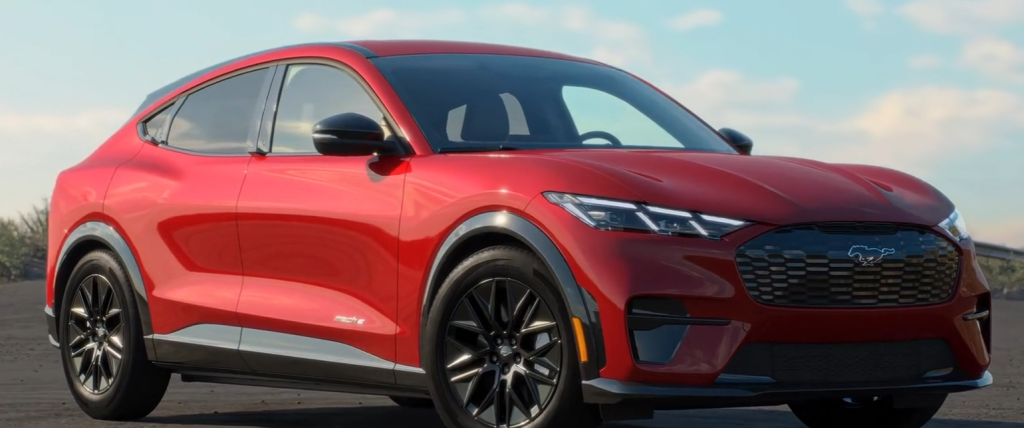
Electric performance meets a heritage debate that won’t quit.
With power outputs from 266 hp to a potent 480 hp, the Ford Mustang Mach-E proves electric SUVs can deliver, despite traditionalists raising an eyebrow. GT models achieve 0-60 mph in a blistering 3.5–3.8 seconds. Its 260–320 mile EPA range and 150 kW DC fast-charging mean you can confidently tackle longer trips, much like scoring the best seat at a crowded concert venue.
However, many enthusiasts argue this electric SUV “waters down the brand,” viewing it as just another crossover wearing a famous badge. The Mach-E, despite its raw performance, constantly competes with the legacy of its gas-powered ancestors. This tension persists between rapid electric acceleration and the iconic roar defining the original Mustang. A beloved franchise sometimes feels like a forced sequel, and for many, this is exactly that.
7. Tesla “supervised self-driving” (FSD Supervised) in 2026
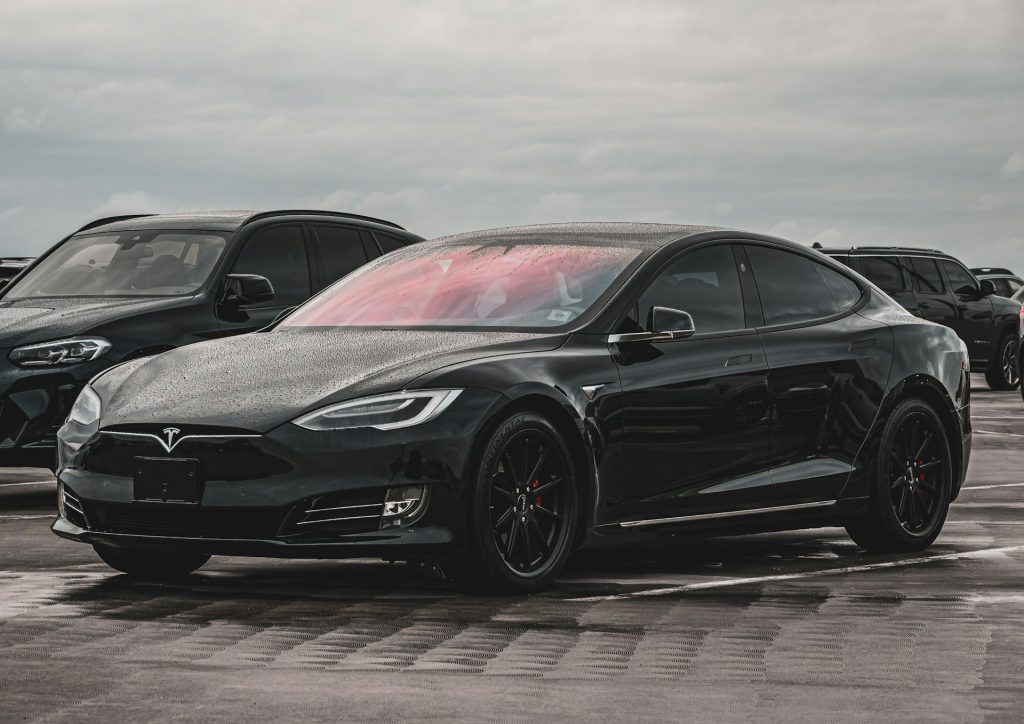
Tesla’s tech handles the commute; you still handle the liability.
Tesla’s Full Self-Driving (FSD) capability in 2026 is clearly defined as “FSD (Supervised),” a Level 2 driver-assistance system that demands continuous human supervision and attention, according to official release notes. This technology enables the vehicle to perform a range of routine driving tasks, from initiating movement after a park to following navigation routes, executing lane changes, and smoothly handling complex intersections.
Navigating rush hour traffic becomes less exhausting when the car manages lane merges and exits, requiring only vigilant oversight. The focus on FSD (Supervised) capabilities has prompted a tech bandwagoning effect across the industry, with numerous brands adopting large central tablets and streamlined, decluttered interiors. This shift often allows for cheaper manufacturing, yet it also pushes the envelope on what consumers expect from vehicle intelligence.
6. Toyota Vehicles’ Value Retention and Longevity
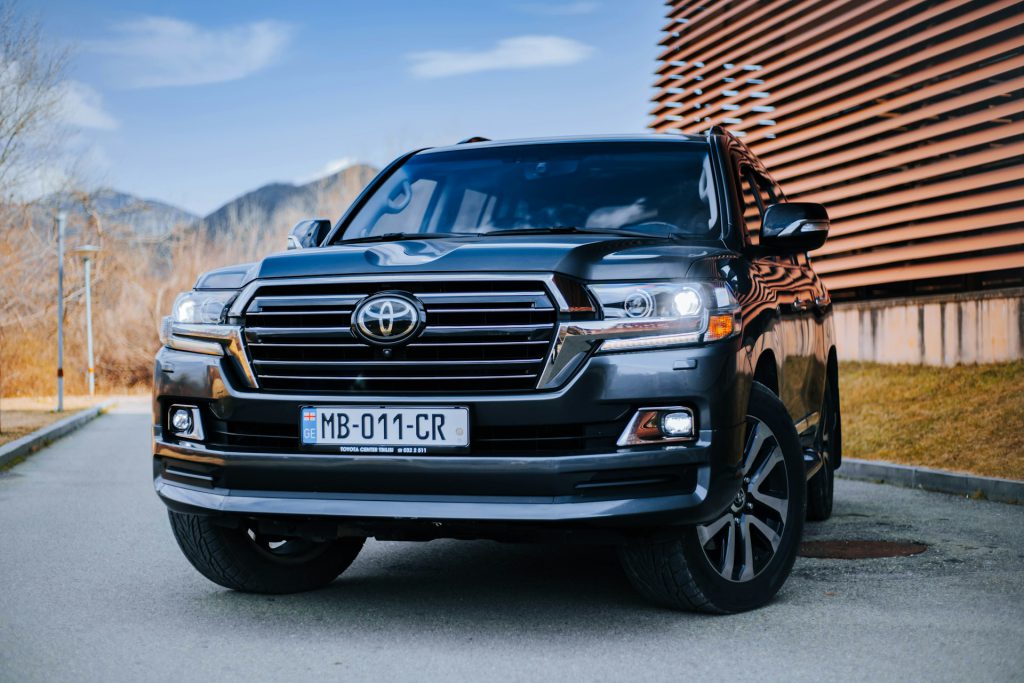
Resale value stays strong, but depreciation still wins in the end.
Toyota’s reputation for high reliability and strong resale values is consistently affirmed by industry reports. Unlike many vehicles that plummet in value, models like the Toyota Corolla and Camry retain a larger percentage of their original MSRP after 5 years. This resilience means experiencing less financial hit compared to alternatives that often dive off the depreciation cliff like a bad investment.
When selling that daily driver, the Toyota badge typically translates to fewer headaches and a quicker transaction. Even with this benefit, remember any car is still fundamentally a depreciating asset, not a blue-chip stock. The goal is to minimize the inevitable loss, not eliminate it. Nobody retires on a used Camry.
5. Advanced Diagnostics, Electronics, and End-of-Life Parts in Modern Cars
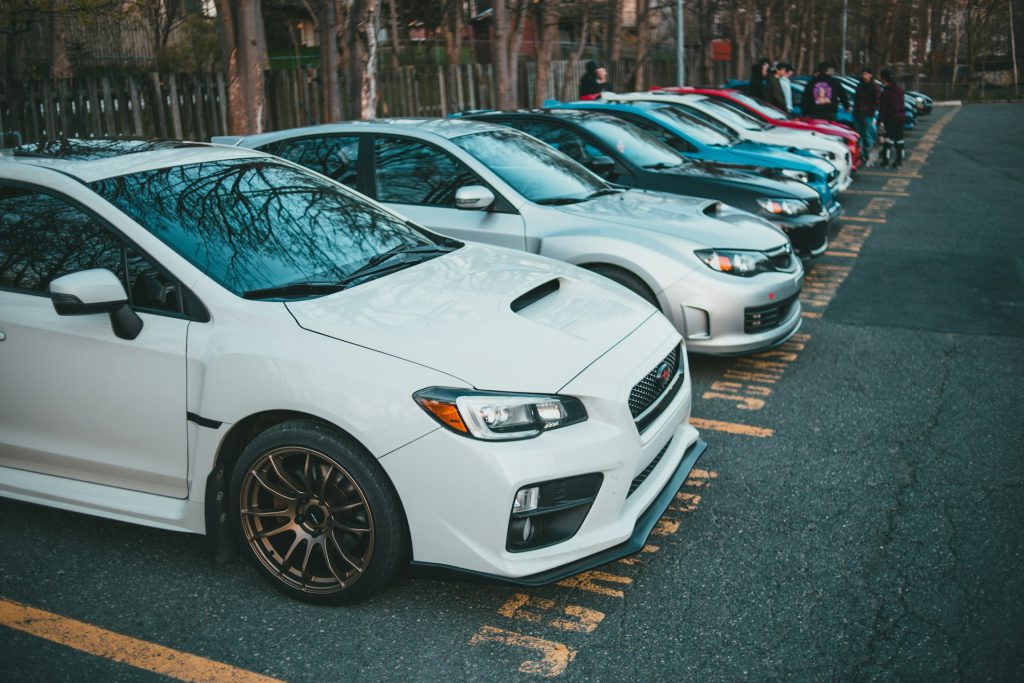
The shade-tree mechanic’s toolkit is now hopelessly obsolete.
Modern vehicles, crammed with electronic control units, demand advanced diagnostic tools and specialized software for repairs, ending the era of backyard fixes. Popping the hood and tinkering won’t solve computer-controlled problems. These intricate electronic modules can become hard to source as vehicles age, creating a digital scavenger hunt for obscure parts like circuit boards or entire computer systems.
Independent shops often find themselves locked out of crucial manufacturer diagnostics, pushing owners toward expensive dealer services. This barrier means a simple sensor issue can spiral. When a vehicle needs a brain transplant only one specialist can perform for an exorbitant fee, long-term maintenance fundamentally changes the calculus of ownership. The simple repair era is gone.
4. Enthusiast Driving Feel vs. Modern Performance Metrics
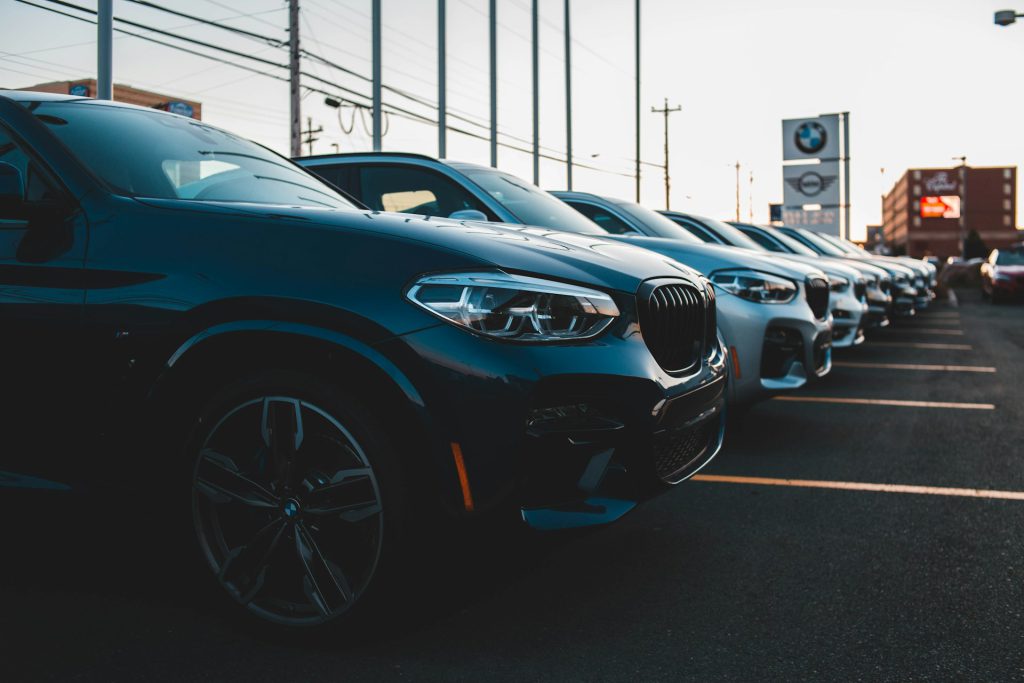
Raw numbers dominate the spec sheet; the soul gets buried in footnotes.
Enthusiast drivers prioritize a car’s soul over its spreadsheet stats. They value steering feedback, immediate throttle response, and raw engine sound far more than a car’s 0-60 mph time or track lap records. Modern advancements, like turbocharging and electric power steering, undeniably boost raw speed and efficiency. Yet, these systems often reduce the direct, mechanical connection crucial for an engaging drive.
Carving through a canyon road, the car’s road surface communication through the wheel means everything. Automakers, conversely, emphasize “headline acceleration,” touting blistering 3.5-second launches. This raw numbers focus leaves critics cold. What are you truly buying when visceral connection disappears, replaced by clinically superior but less engaging performance? Speed alone doesn’t satisfy when the experience feels like piloting an appliance.
3. Large Engines (V8, V10, V12) and Sensory Appeal
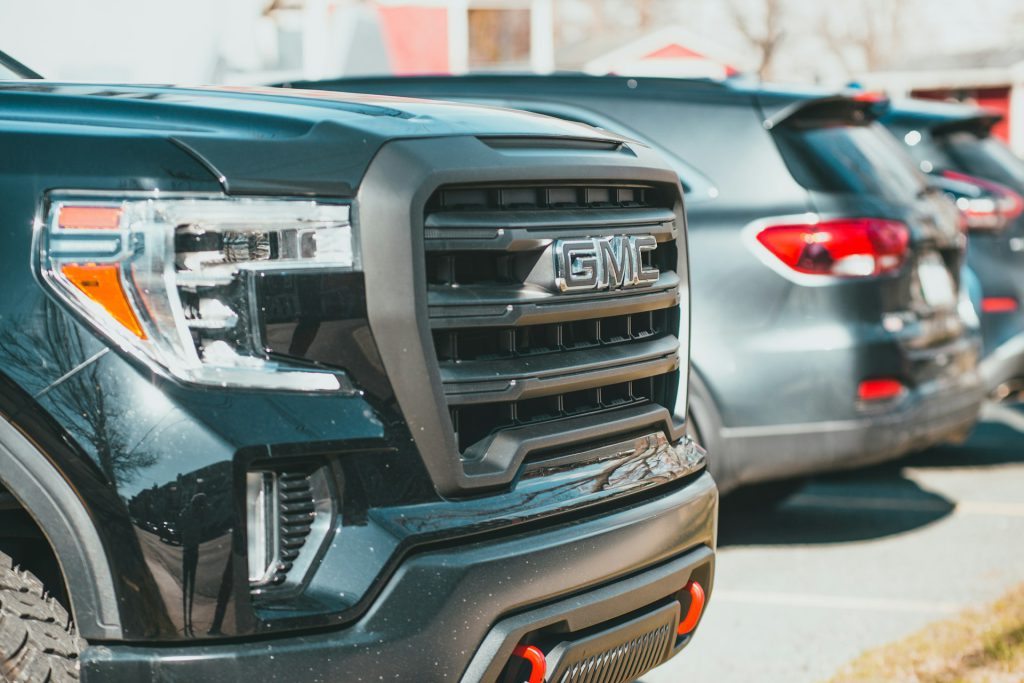
Regulations killed the orchestra; what’s left is efficient silence.
Emissions regulations and fuel-economy standards have profoundly driven automotive evolution, leading to the decline of legendary V8, V10, and V12 engines. These large-displacement powerplants offered distinctive sound signatures and a strong emotional appeal, becoming central to the identity of muscle cars and exotics. The raw, guttural symphony they produced created a direct, visceral connection.
Manufacturers are now phasing out these naturally aspirated beasts, opting for smaller, turbocharged, or electric powertrains. This shift means losing the noise, vibration, and immediate throttle response many find a key part of driving fun. When tackling a canyon road, the engine’s growl used to resonate through the floorboards, an engaging mechanical experience that now gives way to clinically efficient, often sterile, performance.
2. Advanced Driver-Assistance Systems (ADAS) such as Blind-Spot Monitoring and Lane-Keeping
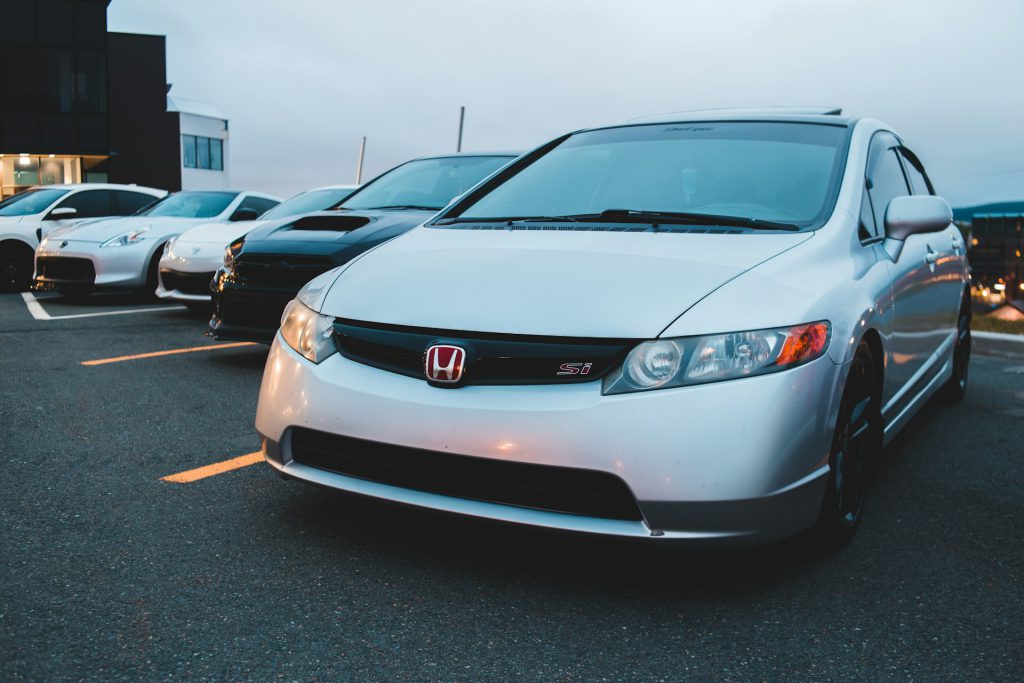
Crash prevention beats crash protection; the math is finally backing it up.
Blind-spot monitoring systems are proving essential, contributing to an estimated ~15% reduction in lane-change collisions. This represents a significant pivot in automotive safety, moving from passive protection to active crash prevention. Advanced Driver-Assistance Systems (ADAS), which include features like blind-spot monitoring and lane-keeping assist (LKA), are specifically designed to make vehicles both more accessible and safer for less-experienced drivers, helping them sidestep costly accidents before they happen.
Merging on a busy highway becomes less stressful when the blind-spot monitor alerts you to unseen vehicles. Lane-keeping assist then actively steers, preventing unintentional lane departures. This digital guidance gently nudges drivers back into their lane, preventing those awkward “oops” moments. These technologies enhance road safety for a broader demographic, cutting down on driver stress for everyone sharing the road.
1. In-car Infotainment and Touch-Screen-Heavy Interfaces
Everything’s digital now, but nobody asked if that’s what we wanted.
Adjusting the cabin temperature now often requires navigating through multiple digital menus on a central touchscreen, a stark shift from tactile knobs. Modern vehicles have replaced many physical buttons and even mechanical door handles with glossy, expansive screens. Anyone who’s tried to adjust climate while driving knows this consolidation of controls increases cognitive load and visual distraction, especially at highway speeds.
Owners frequently report frustration with laggy or unintuitive infotainment systems, battling software bugs and inconsistent performance that feels like a poorly designed app. This drive to make everything digital often comes across as overbearing. It creates a sense of alienation rather than seamless control, especially when basic functions lack consistency. Instead of true integration, you’re left tapping impatiently, wondering why heating your seat requires a software degree.

 点赞
点赞 收藏
收藏 点踩
点踩 分享
分享