Shein Set to Debut in Test of Investor Demand for Consumer Plays

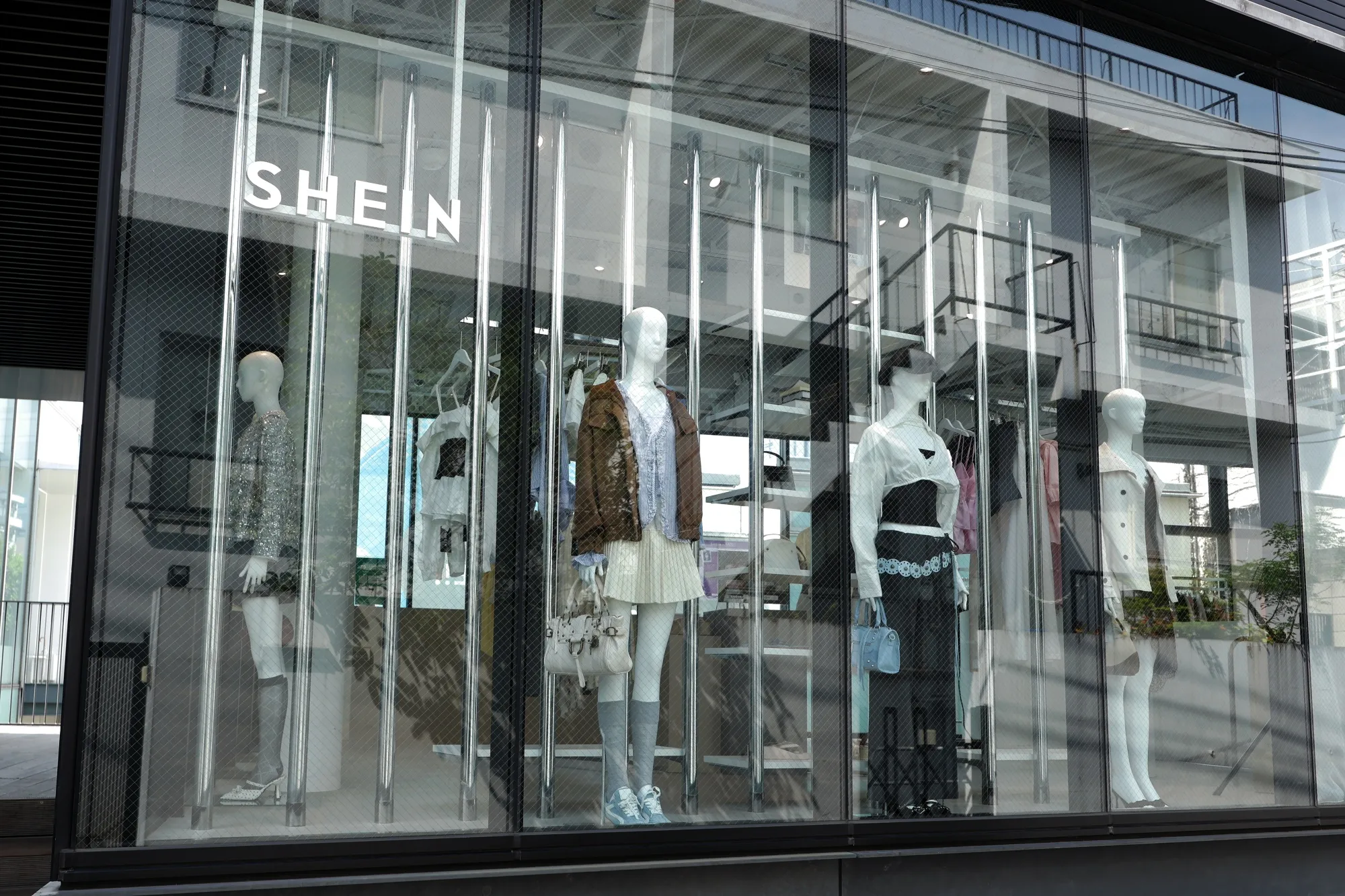
Shein Global Holdings Ltd. is set to begin trading in Hong Kong after raising HK$13.6 billion ($1.7 billion) in an initial public offering, testing investor appetite for the stocks of companies outside the artificial intelligence supply chain.
The fast-fashion retailer sold about 280 million shares at HK$48.56 apiece, just above the middle of its marketed range. That gives the company a market value of slightly more than $26 billion, making it one of the world’s largest listed apparel and fashion companies, though still well below Swedish retailer Hennes & Mauritz AB, which is valued at about $30 billion.
The shares fell as much as 17% in gray market trading, to as low as HK$40.04 apiece by late Monday, according to a trading platform operated by KGI Securities Co.
Shein’s listing is a test of investor appetite for internet retailers, an industry that has struggled recently against the headwinds of inflation, trade disruptions and consumer caution in key markets including China. It also offers a fresh benchmark for valuing cross-border e-commerce players after years of regulatory scrutiny and enthusiasm shifting toward companies involved in the AI buildout.
Founded in China and now based in Singapore, Shein has built a global fast-fashion giant by using a data-driven supply chain capable of rapidly producing and shipping low-cost apparel directly to consumers. The company emerged as one of the biggest beneficiaries of the pandemic-era e-commerce boom, with its valuation soaring to nearly $100 billion in 2022.
But attempts to go public at the time were unsuccessful as regulatory and political hurdles scuttled its plans to sell shares in the US and the UK. Hong Kong ultimately emerged as the venue for the retailer’s market debut.
Since its valuation peak, the company has faced mounting challenges including higher tariffs, growing regulatory scrutiny and intensifying competition from PDD Holdings Inc.’s Temu and Alibaba Group Holding Ltd.’s AliExpress. The IPO valued the company at over 15 times forward earnings, calculations based on Bloomberg Intelligence’s estimates show. That’s about double the 7.4 times ratio commanded by PDD and above the 10.7 times multiple for Hong Kong’s benchmark Hang Seng Index.
At 15 times price over earnings, “the stock is already pricing in part of a growth comeback before it has delivered one,” said Gary Tan, a portfolio manager at Allspring Global Investments. “Investor appetite post-listing is likely to be cautious until management proves its business model reset can reignite growth.”
Read More: Shein Bets on Everlane Acquisition to Kickstart Empire Post-IPO (2)
Shein secured support from several cornerstone investors, including Boyu Capital, Tiger Global Management, General Atlantic, Tencent Holdings Ltd. and UBS Asset Management Singapore. Existing investors in Shein will also join cornerstone backers in pledging not to sell their IPO shares for a period of six months to signal confidence in the company.
The company said it plans to use the IPO proceeds to strengthen its technological capabilities, expand its global brand presence, support corporate responsibility initiatives and for general corporate purposes.
Shein Said to Raise $1.7 Billion After Pricing Hong Kong IPO (1)Shein’s Purchase of Everlane Faces US National Security ReviewShein Faces Bigger Tests After Long-Awaited IPO: Bloomberg DealsShein CEO’s Wealth Slumps $15 Billion After Whittled-Down IPOShein at $26 Billion Still Stirs Unease Over Growth Outlook
Still, some analysts argue that the IPO’s tightly controlled share sale may limit the extent to which public investors immediately test that valuation.
“With all pre-IPO and cornerstone investors accepting a six-month lockup, the March 2027 lockup expiry will be a more meaningful test of its market value than the listing debut,” Bloomberg Intelligence analyst Catherine Lim said in a note. Shein’s four founders will keep nearly 60% of the firm and close to 90% of voting rights, locked for 24 months.
Shein’s financial results showed notable swings this year. The company posted a loss of $99 million in the first quarter, compared with a profit of $395 million a year earlier. Revenue growth has slowed, according to its preliminary prospectus.
Analysts said the retailer faces increasing pressure from changes in global trade policies. US tariff measures have already raised costs, while Europe’s import duty on low-value imports threatens to erode a key advantage for cross-border e-commerce platforms. Disruptions linked to the conflict in the Middle East have also added to rising logistical expenses.
Shein also continues to face regulatory scrutiny in the US, one of its biggest markets. Bloomberg reported this month that the Committee on Foreign Investment in the United States is reviewing Shein’s acquisition of apparel retailer Everlane for potential national-security risks related to Americans’ personal data.
While the Everlane acquisition is small compared with Shein’s IPO valuation, the review underscores the geopolitical and regulatory challenges that continue to shadow the retailer’s global expansion. Investors will be watching whether those risks outweigh the company’s still sizable scale and growth ambitions.

 点赞
点赞 收藏
收藏 点踩
点踩 分享
分享