How Nyobolt Paired Its Battery With Non-humanoid Robots and Won a $1 Billion Valuation

Working in her lab at the University of Cambridge in the U.K., Clare Grey, a chemistry professor, had developed what seemed like a dream battery: It could charge as fast as a minute or two—quicker even than the time it takes to fill a conventional car with gasoline.
The problem was that Grey’s battery was far too expensive to actually use in a commercial electric vehicle.
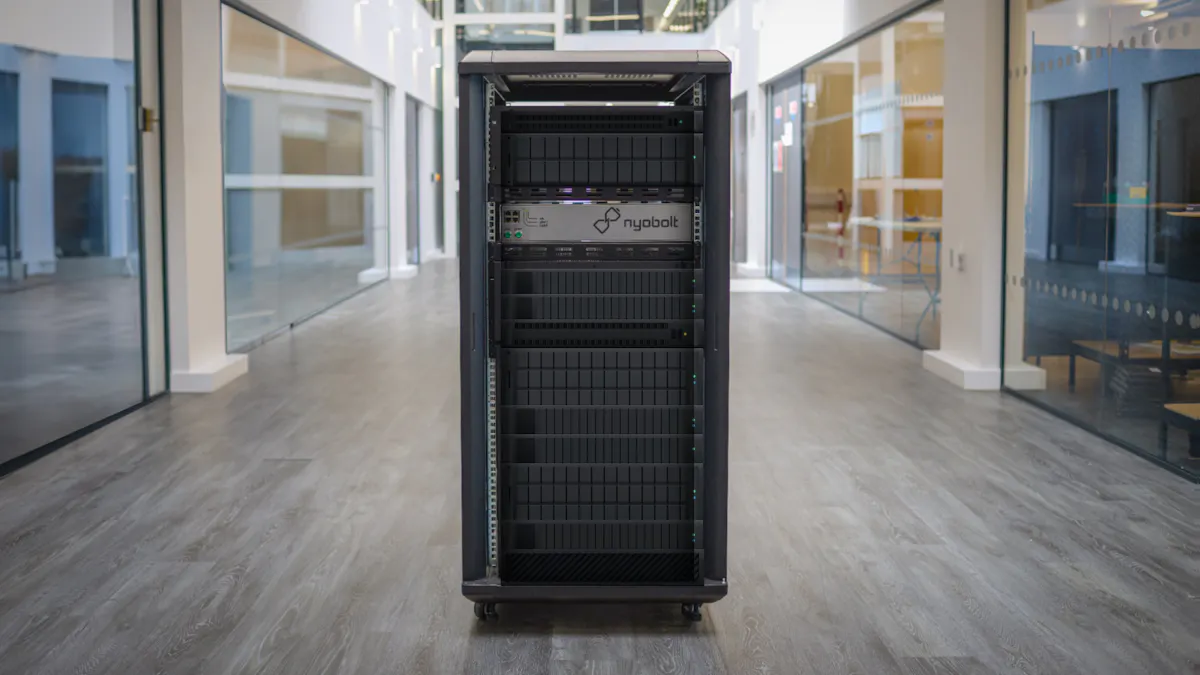
As it happens, a battery that was too pricey for EVs has turned out to be quite affordable for giant retail warehouses. In 2020, Grey co-founded a startup, Nyobolt, which is making batteries that today power hundreds of tiny, boxy nonhumanoid robots. They roll around Walmart warehouses in the U.S., sorting, retrieving and placing boxes onto pallets for shipment to its retail stores. Walmart plans to deploy the robots in all 42 of its sprawling regional U.S. distribution hubs.
The robots, known as SymBots, are made by Symbotic, a Massachusetts startup in which Walmart owns a 40% share. In May, Symbotic helped finance Nyobolt by leading a $59 million Series C funding round in the startup at a $936 million valuation.
Nyobolt’s commercial success illustrates the opening of a fresh market for next-generation batteries. U.S. battery startups have struggled for several years amid lackluster sales of EVs in the U.S. In recent months, however, several of the battery startups have snagged their first commercial deals powering military drones, including for use in Ukraine.
Nyobolt’s deal with Symbotic shows that the startups are likely to find substantial revenue in battery-powered robots as well.
The deployment of the battery-powered SymBots also reflects the reality that, for now at least, the big money to be made in robots isn’t in the flashy acrobatic humanoids we see in videos but in less glamorous ones working away in factories and warehouses.
In a note to clients Thursday, Piper Sandler analyst Alexander Potter argued that humanoid robots may never become much of a business, but that Symbotics had shown that nonhumanoid robots were already toting up commercial sales. Symbotics’ customers, he said, were covering the cost of the SymBots with less than five years of savings on labor.
“Humanoids generate lots of buzz.…But humanoids lack customers,” Potter wrote.
Conventional batteries have graphite anodes, which typically gum up with lithium when they charge too fast. The Nyobolt batteries, however, use a new type of anode made of the metal niobium, which, fashioned into an electrode, easily absorbs lithium ions.
In addition, niobium anodes do not easily degrade and crumble in repeated use, as conventional anodes can. Nyobolt and other companies report charging niobium batteries 20,000 times, at least four times as many times as conventional batteries can charge before dying.
This long cycle life—coupled with faster charging time—allows the Nyobolt-powered robots to combat the scourge of warehouse robots, which is the amount of down time required for recharging.
Potter calculated that with conventional batteries, warehouse robots can spend up to 4 hours idle while they recharge. That means letting warehouse work wait all that time while the robots recharge, or buying twice as many robots as you technically need so half of them can work while the other half charge. With niobium batteries, the wait time is a few minutes.
Grey said warehouses turned out to be the perfect setting for Nyobolt’s batteries. “I was trying to identify where you can make a business out of fast charging,” she said. In the warehouses, Grey’s colleagues found that “the robots made one tour of the warehouse, and then they got charged. And then they went off and picked something up, and then they came back in.
“Our story has been about trying to find applications where people pay for downtime, where downtime is really expensive,” she said.
Nyobolt has rivals, such as Echion Technologies, a Massachusetts based firm that also makes niobium anodes. Earlier this month, Echion and Indiana-based battery maker EnPower announced they would work together to manufacture niobium batteries for industrial robots and AI data centers.
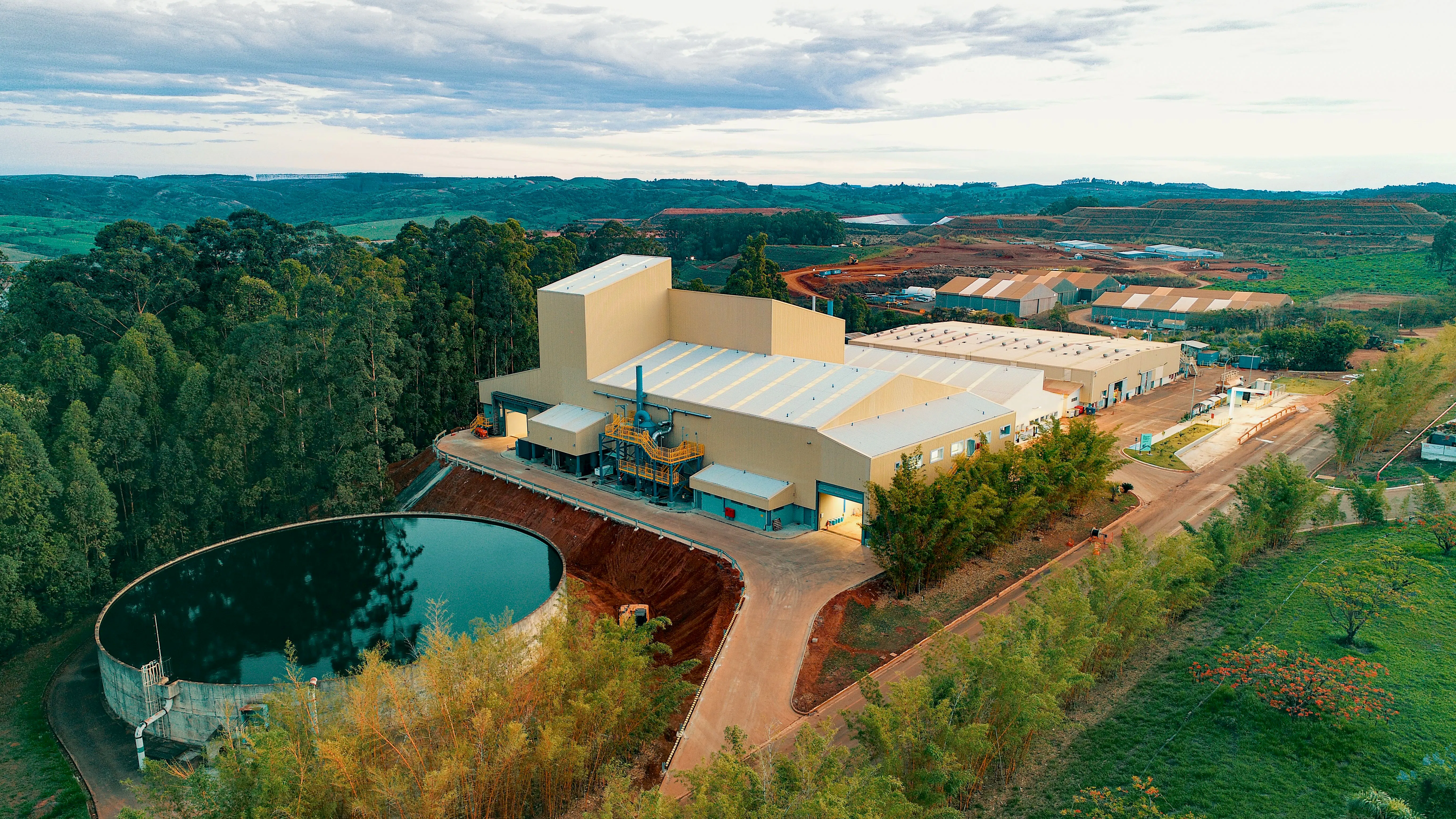
EnPower CEO Adrian Yao told me that industrial robots such as those used in warehouses are a good market for smaller battery manufacturers because, at least for now, the robot market is too small for battery giants to want to target. “This is especially the case with a new chemistry that's not your typical flavor,” he said.
The niobium batteries “are workhorses. You’re going to be able to use them for years and years and years,” said Jean de la Verpillière, CEO of Echion.
Noteworthy
China’s BYD installed its 10,000th ultrafast charging EV station in China last week. BYD, which calls the stations “lash chargers, has said it wants to install 20,000 of them in the country by the end of the year. The charges aim to charge up an EV in just 9 minutes.
China’s XPeng claims it will eventually make higher profit margins on humanoid robots than it does on the sale of EVs. XPeng Co-President Brian Gu told The Wall Street Journal that Iron, the company’s current humanoid robot, could earn gross margins of more than 50%. Tesla CEO Elon Musk has also predicted higher profits from the sale of Optimus, the company’s humanoid robot, than from EVs.
Recommended Newsletter
Start your day with Applied AI, the newsletter that uncovers how leading businesses are leveraging AI to automate tasks. for free to get it delivered straight to your inbox twice a week.
Upcoming Events
Wednesday, September 23—AI Agenda Live SF 2026: Join us to explore the real-world shifts, new architectures and enterprise strategies defining the next era of AI. Secure your spot today to hear directly from top minds at Google DeepMind, OpenAI, Atlassian and more (more details).
Steve LeVine is editor of The Electric. Previously, he worked at Axios, Quartz and Medium, and before that The Wall Street Journal and The New York Times. He is the author of The Powerhouse: America, China and the Great Battery War, and is on Twitter @stevelevine

 点赞
点赞 收藏
收藏 点踩
点踩 分享
分享