MIT & Sumitomo Develop a Better UI Design for Excavators

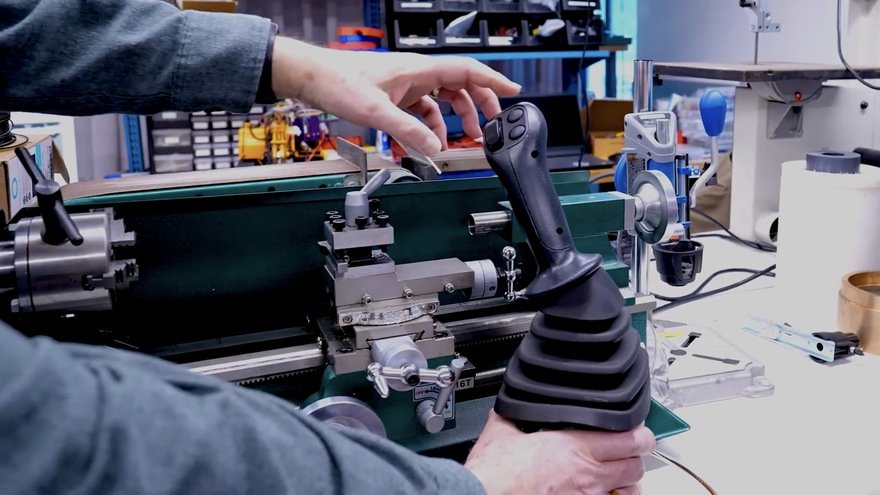
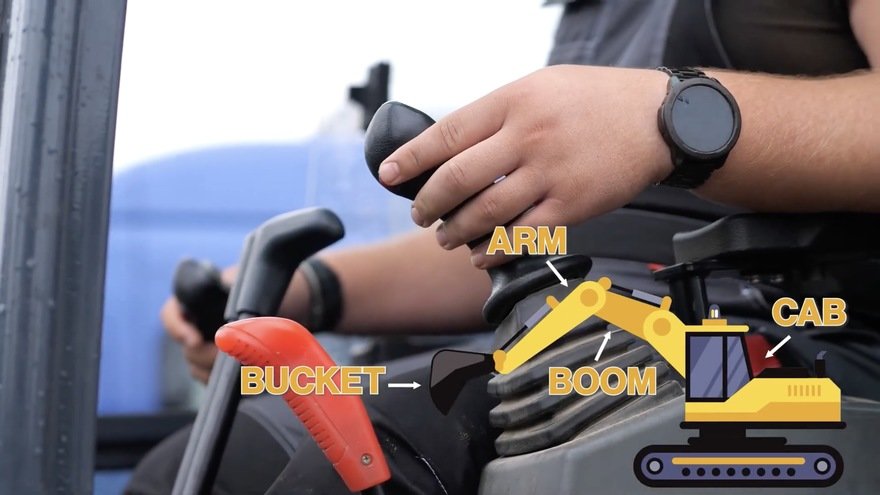
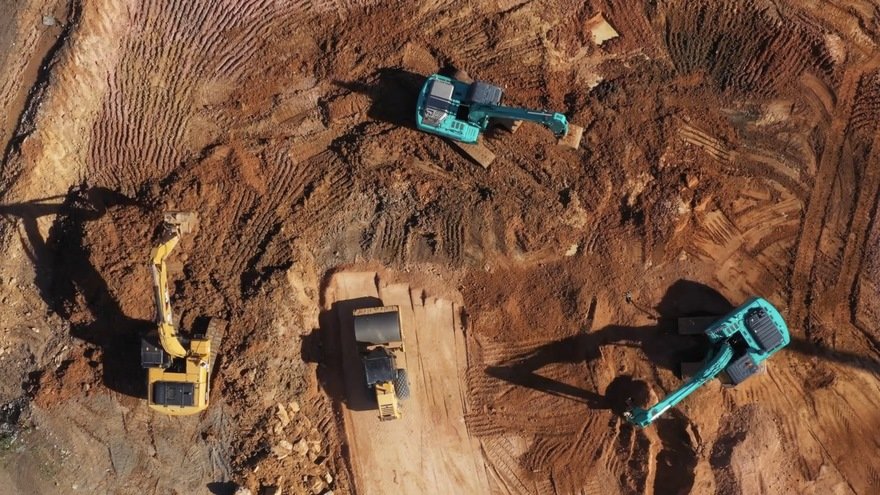
I recently had a chance to operate a neighbor's mini-excavator, and the learning curve is steep. There are four joysticks total, which allow you to drive, rotate, and operate the boom, the arm and the articulated bucket. The controls are not intuitive, and I'm told it takes hundreds of hours to gain proficiency.

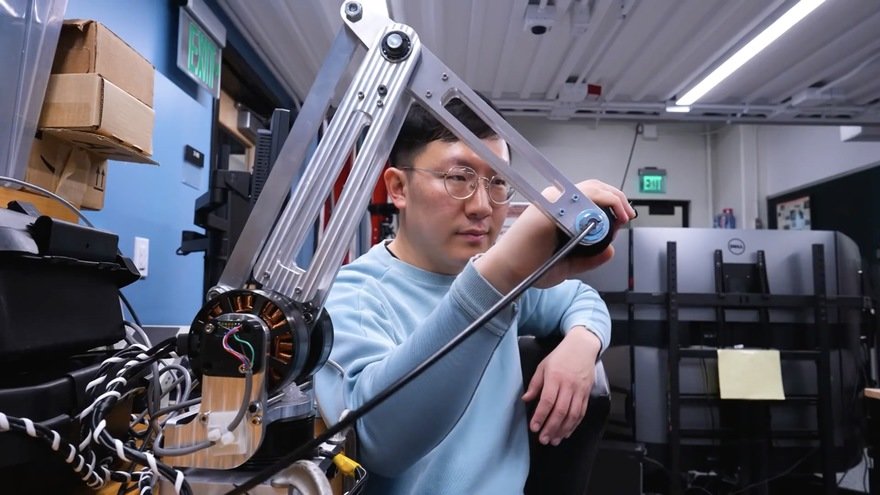
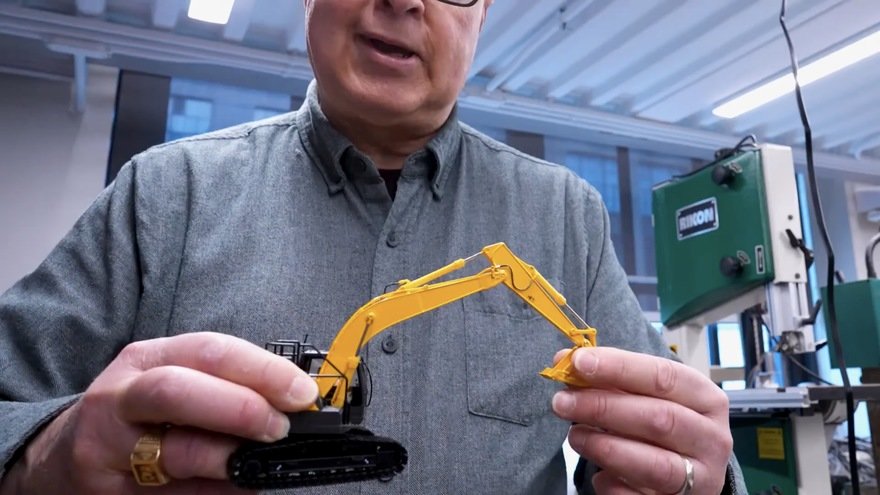
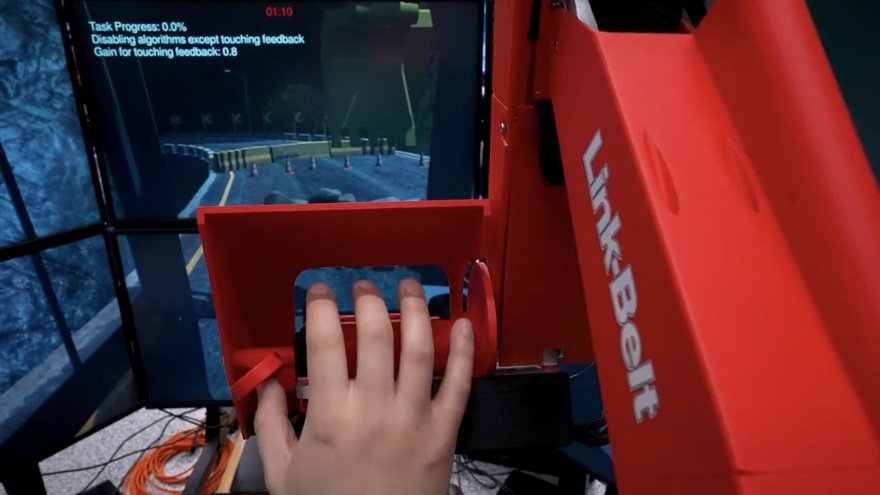
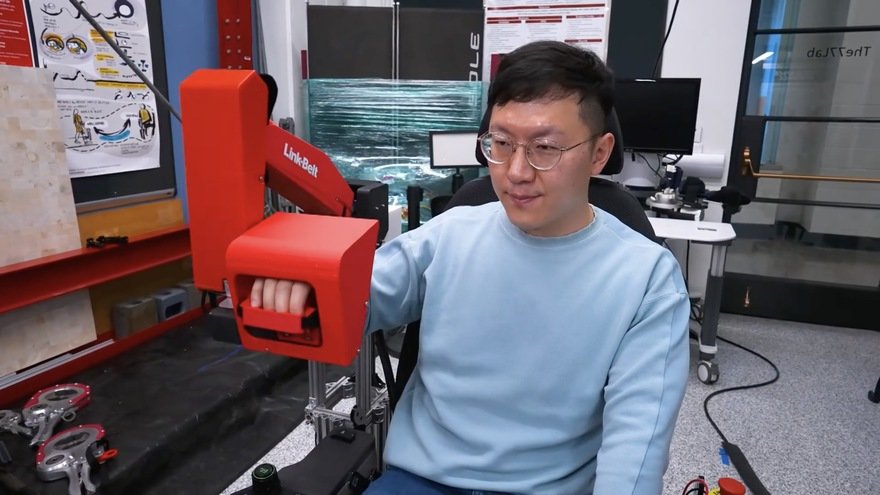
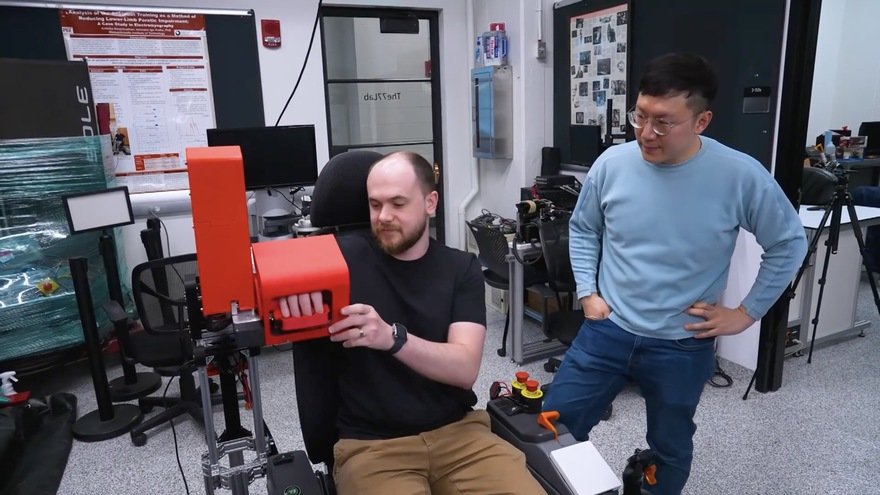
Why? Because mapping a joystick's range of motion onto a machine modeled after the human arm is a flawed approach. So engineers at MIT, working in collaboration with Japanese heavy equipment manufacturer Sumitomo, have redesigned the UI. They've developed an articulated metal arm with a grab handle, allowing operators to simply move their arm and hand, and have the machine mimic their natural motion.

"This is a more intuitive way to command the machine," says Hermano Krebs, principal research scientist in MIT's Department of Mechanical Engineering. "With this new interface, we can eliminate a lot of the mental maps that an operator would need to build in order to operate an excavator."

The project's inception came from Krebs talking to Sumitomo researchers. Japan's society is aging, and experienced excavator operators were retiring. Training new ones is time-consuming, and the company sought a way to accelerate the process.

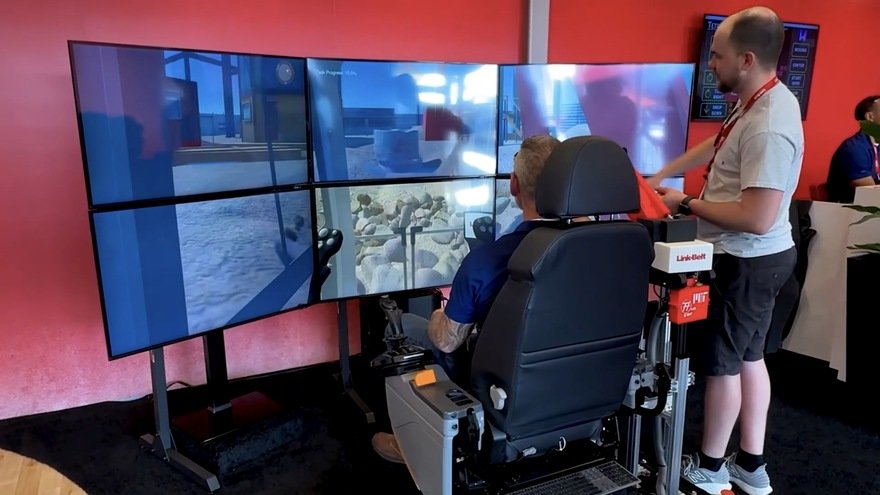
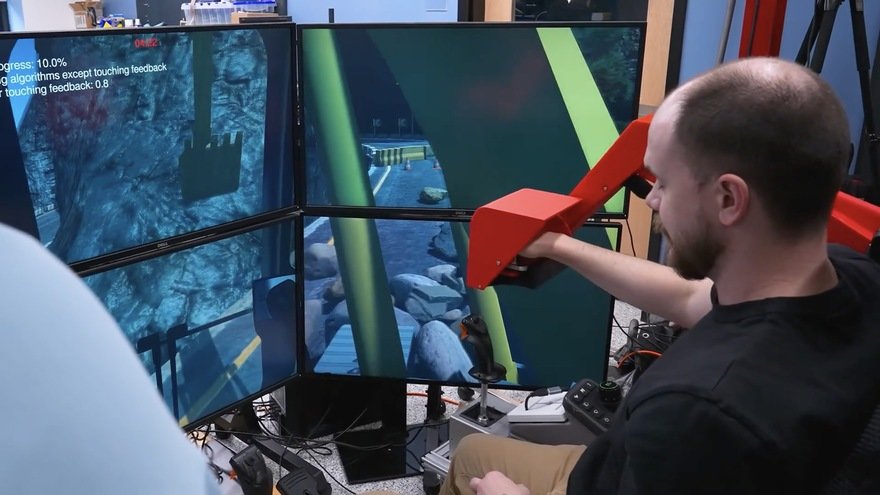
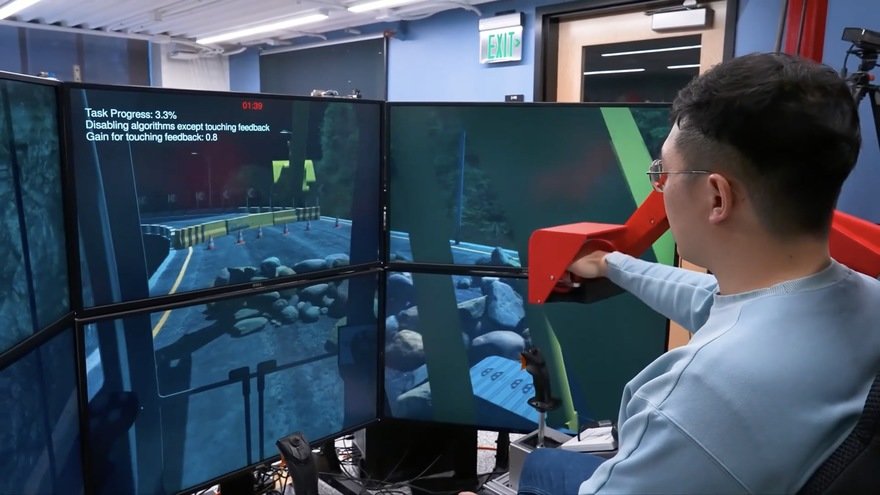
MIT tested their new interface, which they call the World-Space Interface (WSI) with new operators on a simulator. For one hour a day for seven days, the newbies were trained on both traditional joysticks and the WSI. What they found was startling: While the newbies performed worse than expert users with the joysticks, with the WSI, "novices were just as good as experts from the start."

The next step is to add haptic feedback, the research team says.

Here's how the WSI works:

添加评论
点赞收藏
点踩分享查看原文
评论
?
参与讨论