The Future of Product Design Education: Present Challenges and Tomorrow’s Demands

A data-driven diagnosis of product design education in Portugal regarding the gap between academic theory and survival in today’s market.

In the global design ecosystem, we demand our students possess unmatched problem-solving skills, impeccable process documentation, and a bulletproof portfolio to survive in a highly competitive market. Theory is taught with rigor, and tools are dissected in detail. But could there be a silent fracture at the foundation of this system?
To understand the true anatomy of education in Portugal, I decided to step away from opinions and simple empirical observation, proposing to conduct a well-founded radiography. As part of my most recent survey, I isolated and studied the data of 75 professionals actively working as designers, teachers, and instructors.
This project of mine was not born with the intent of evaluating institutional curricula, but rather to map the posture of the educators themselves regarding contemporary demands. And the numbers I found revealed an absolute and unavoidable paradox.
From the Paradox of the Present to the Anatomy of Education

In a discipline where visual immersion and process demonstration dictate the standard of hiring, it would be logical to assume that educators would be the first to materialize the example. However, the data cross-referencing I performed exposes a fractured methodological reality:
- Of the 75 professors and instructors I analyzed, 56% do not have a professional portfolio available (I encountered broken links, a total absence of documentation, or the use of informal networks lacking any case study structure).
- Only 25% maintain an active personal website, embodying the exact minority that keeps up with industry demands for senior professionals.
The most revealing insight I extracted from this research is that this cultural contrast is not exclusive to classical institutions. The absence of visible portfolios cuts across majestic public universities and infiltrates bootcamps and tech schools — infrastructures created exactly with the premise of establishing an agile and direct bridge to the market.
The introspection I propose is harsh, yet vital: How can we prepare students for the real friction of the industry if more than half of the minds guiding them do not expose their own practice in the current market?
From the Academic Vacuum to Corporate Immersion
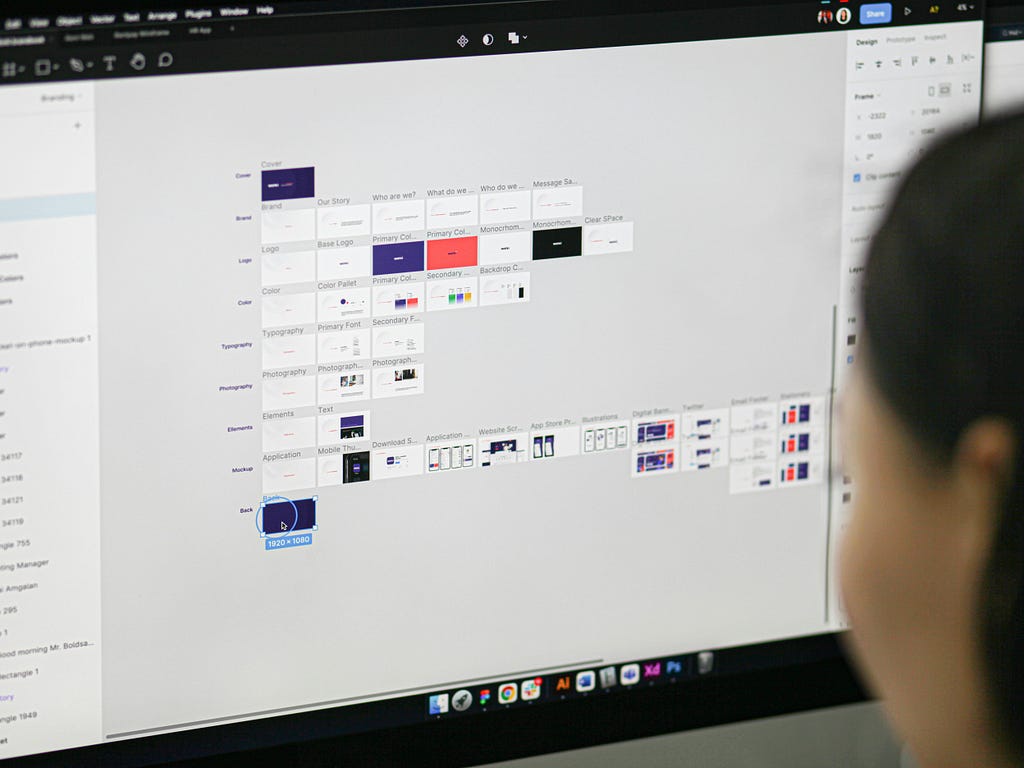
The core mission of our institutions is to shape the Product Designers of the future — minds capable of navigating the complexity, constraints, and uncertainty of the industry. However, for these young professionals to thrive, education must detach itself from an academicism that, frequently, survives only on a theoretical plane. Projects designed in controlled classroom environments rarely withstand the collision with reality, where true innovation is born from daily friction with clients, technical restrictions, and inflexible budgets.
It is precisely here that the educator’s active presence in the market makes all the difference. Preparing students for real life requires the educator to be, themselves, the primary benchmark of excellence. And that example materializes when the teacher actively defends their brand, exposes their rigor through a structured portfolio, and, above all, lives the daily challenges of the labor market.
To ensure the relevance of our discipline, we must push for radical practical immersion. Education must replace hypothetical simulation with real briefs provided by companies. We are required to transport students into the corporate ecosystem as early as possible: fostering authentic meetings with stakeholders, scrutinizing business models, and integrating dynamic internships right into the foundations of the curriculum. We cannot hope to prepare a Product Designer for the intensity of the corporate world if the classroom continues to operate as an isolated island.
The Legacy and the Future
As I conclude this analysis, my journey through the present inevitably intersects with the future. If institutions, universities, and bootcamps aspire for their programs to be the definitive passport for the next generation, they need to rewrite how they recruit their teaching staff and structure their projects.
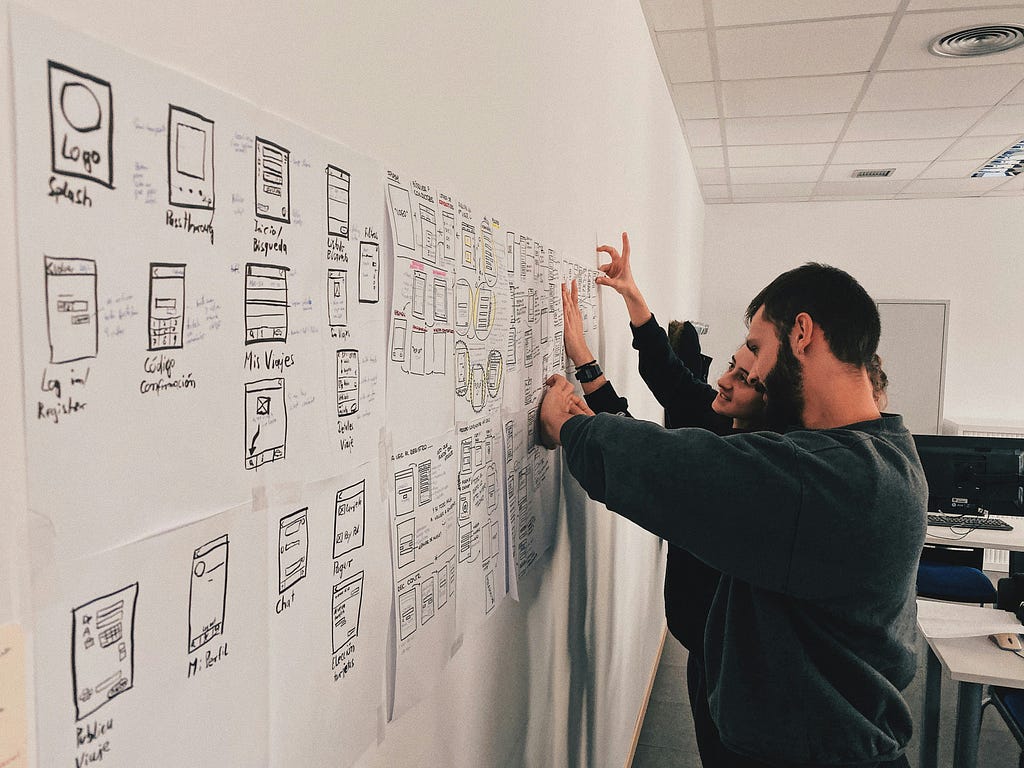
Design education needs to adopt the philosophy of skills-based hiring, prioritizing professionals who are currently active, hands-on, and proven in the field. Theory structures thought, but in design, true learning is consumed through practical experience.
For design education in Portugal to establish a new paradigm, it is imperative that institutions step out of their comfort zone and open their doors to companies. Ultimately, this paradox reminds us that the most transformative lesson an educator can leave as a legacy to their students is the weight of their own example in the real market.
The Future of Product Design Education: Present Challenges and Tomorrow’s Demands was originally published in Bootcamp on Medium, where people are continuing the conversation by highlighting and responding to this story.

 点赞
点赞 收藏
收藏 点踩
点踩 分享
分享