Almost fell into a Well, Actually

In my mandatory annual fire safety class the other day, they had us run through the same training exercise as always. There was a big box with LEDs that simulate a fire, a fake fire extinguisher with which we "put out the fire" with lasers, and a replica fire alarm trigger (the technical term is "pull station") on a portable stand. There's a scripted routine, which everyone in the class has to act out: go up to the front, wait for the fire to appear on-screen, yell out a "code red" with the location of the fire┈in this case it was "building five, classroom one"┈and pull the alarm. Once we "alerted" everyone, we could then use the extinguisher to "put out" the fire.
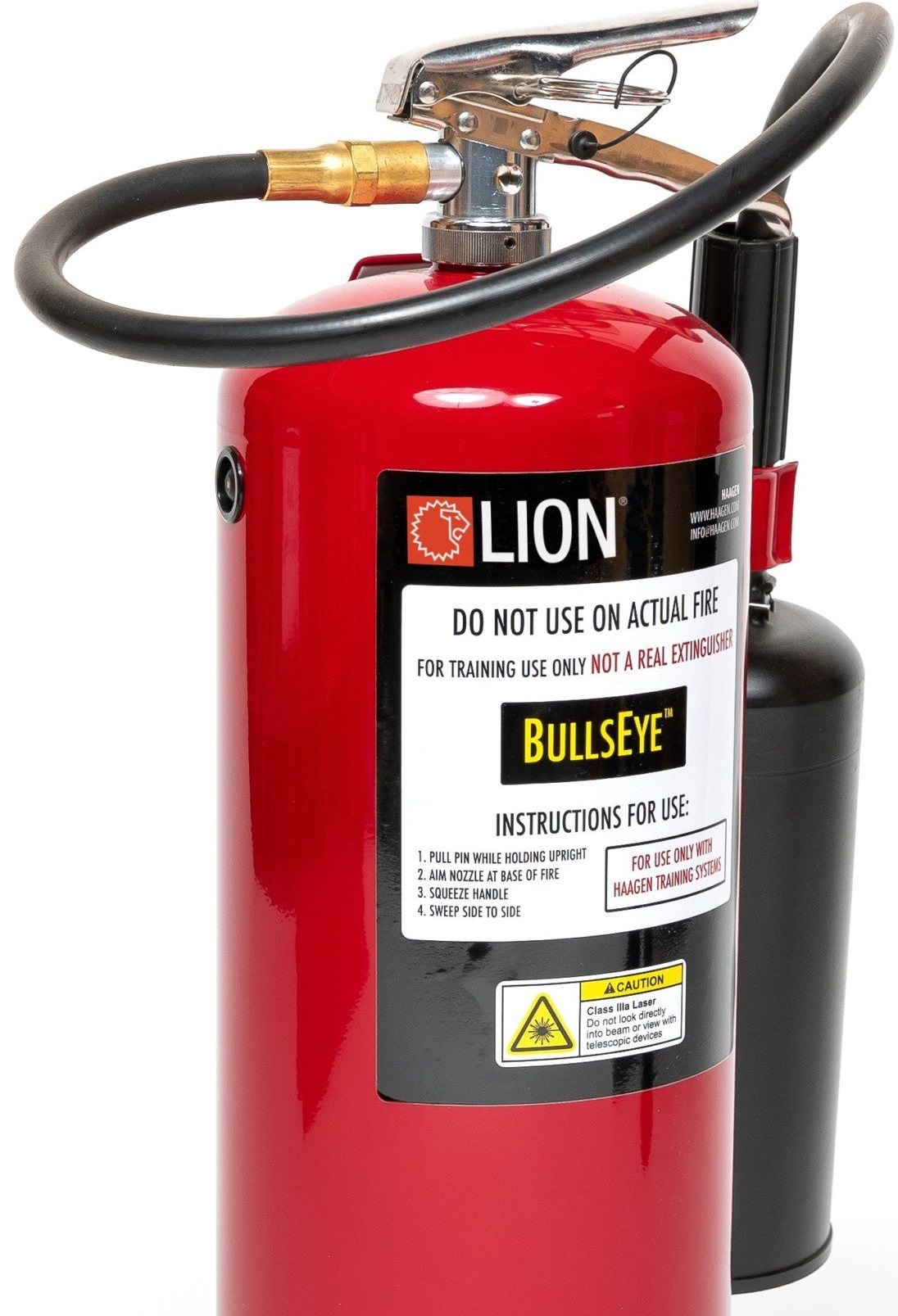
I had done this several times, but this year was either the first time they told us or the first time I noticed: why would we yell out "building five"? Everyone in earshot would be in the same building as me. They don't need me to tell them what building we're in. It struck me as one of those absurd requirements thought up by paper-pushers in some office who never once see or think about how their ideas will play out in the real world┈safety theater.
For a moment I even considered raising my hand and pointing this out, but thankfully I thought about it a little longer. Even if I'm right, I thought, it wouldn't make any difference whatsoever. This is the script. There's no changing the script. Everyone else in the class is as bored and miserable as me. The instructor is sick of having to lead this stupid class over and over. Everyone would definitely find me annoying and not clever. My sole objective in the class, my sixth time sitting through it in an un-air-conditioned room in August, was to get through it and get out as quickly as possible. The only effect of my objection would be to delay getting what I want by a few seconds.
But also, maybe I'm not right. It's true that everyone in earshot would know what building we're in, but soon the message will get to someone who'll get on the radio and call it into the central switchboard. The person calling it in knows they're in building five, but if I just say "code red in classroom one", and that's the message that makes it back to them, they might not be thinking clearly when they need to convey it. In their panic, they might forget to mention the building. Maybe the person at the switchboard in building one never thinks about building five. They might assume the fire is in their building, panic, and forget to ask for clarification. Then when they call the fire department, that's what they tell them. The fire engine pulls up to the wrong building, and sorting out the confusion wastes precious minutes. Someone dies, but they would've made it if the firefighters had gotten there a couple minutes sooner. If only I had yelled "building five, classroom one", then this tragedy might've been prevented.
This is a series of increasingly unlikely mishaps piling on top of each other. The odds of a fire starting and events playing out this way are maybe one in a billion. In Pascal's Yahtxxee, I concluded that even very small investments aren't worth it when the payout is impossibly unlikely. I need to make an amendment: I'm allowed to make that decision for myself, when the consequences affect only me. But when the lives of other people could be on the line, I don't get to make that call. The odds might be one in a billion, but it's a big world. On a long enough timescale, it's inevitable. If it were just me, I wouldn't worry about it, but if the payoff might be saving a life, I can afford to feel slightly silly for a moment. Those pockets run deep.
- Or longer, if the instructor is kind enough to explain the rationale I eventually found on my own.

 点赞
点赞 收藏
收藏 点踩
点踩 分享
分享