Transportation Design Student Work: A Repairable Vehicle for Rural Scandinavia

In rural America, the appeal of an old truck is immense—and reflected in used truck prices. Older trucks are in-demand because they can be user-repaired, and I've got plenty of neighbors that demonstrate this.
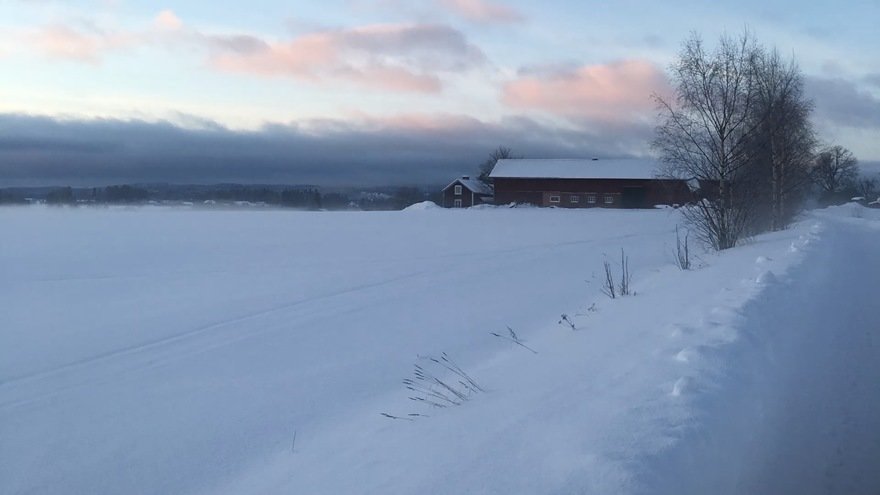
So I was interested to see this project by Love Björklund, a Transportation Design student at Sweden's Umea Institute of Design. Björklund's master thesis was designed specifically for rural Scandinavia, where he was raised, and where they presumably do not have an endless supply of battered F-150s that can be kept going.
"The people who live there have a long tradition of handling things themselves," Björklund explains. "When something goes wrong, they cannot wait for someone to come and fix it. They are capable, confident, humble problem-solvers. Because conditions in rural Scandinavia, as in rural anywhere in the world, are rarely optimal."
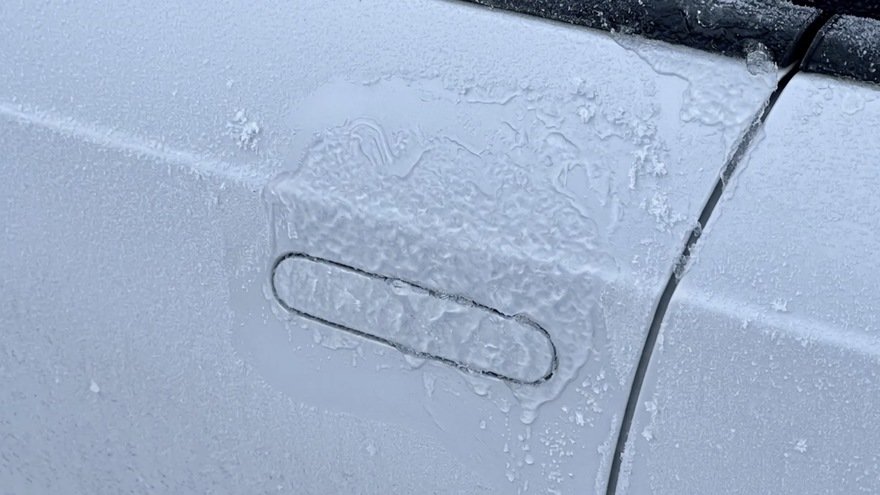
He's observed that increasingly hi-tech vehicles are not well-suited to this environment. Here's a Tesla with its fancy flush door handle frozen solid.
With his ANURA project, Björklund envisions something we take for granted out here: A low-tech vehicle you can fix.
In rural Scandinavia, where the way of life depends on personal capability and community cooperation, modern vehicles are moving in the opposite direction. They are becoming more connected, more automated, more dependent on authorised service, and less willing to let the driver do what the driver knows how to do.
This thesis project asks what a vehicle would look like if, instead of overriding the user, it was built to trust them. ANURA is the answer — a vehicle for rural Scandinavia in 2040, designed around user authority, repairability, and sparking curiosity.
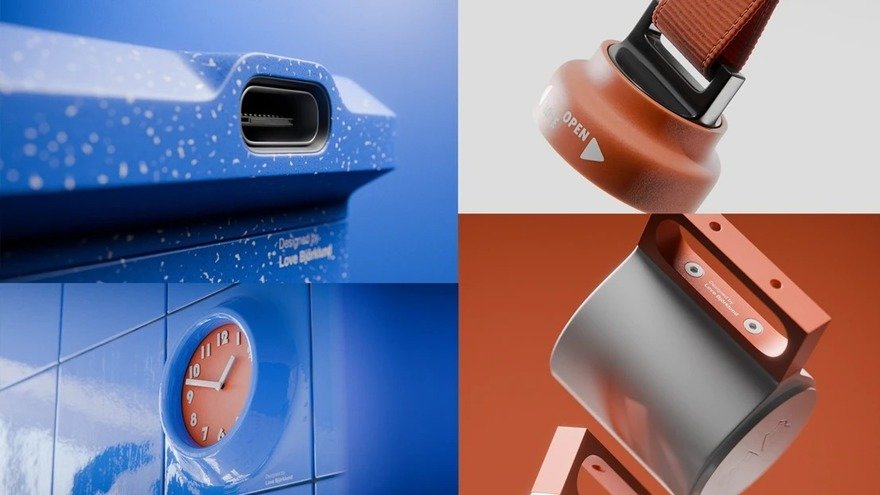
A mood board of four reference products designed for the project, each made to embody one of the brand's four principles: humble, simple, curious, confident.
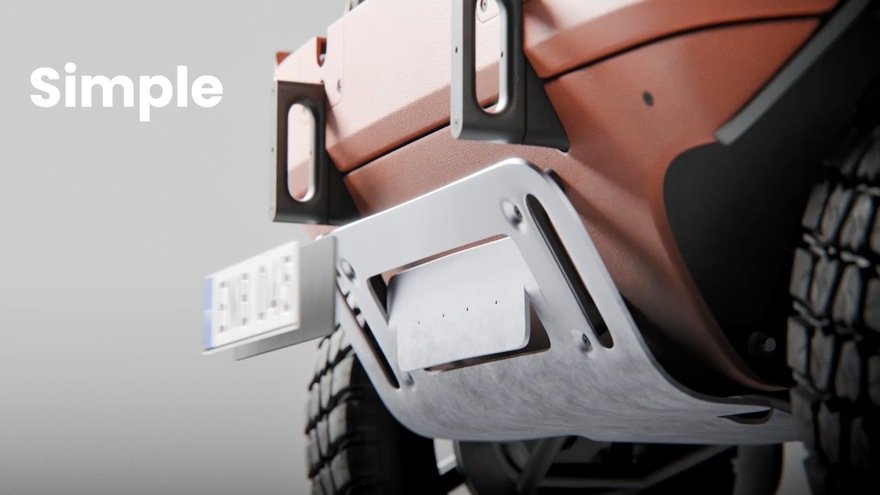
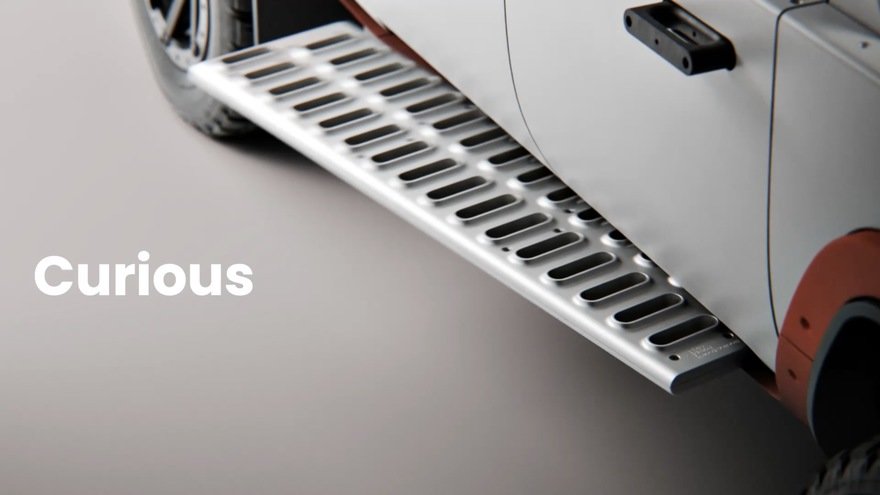
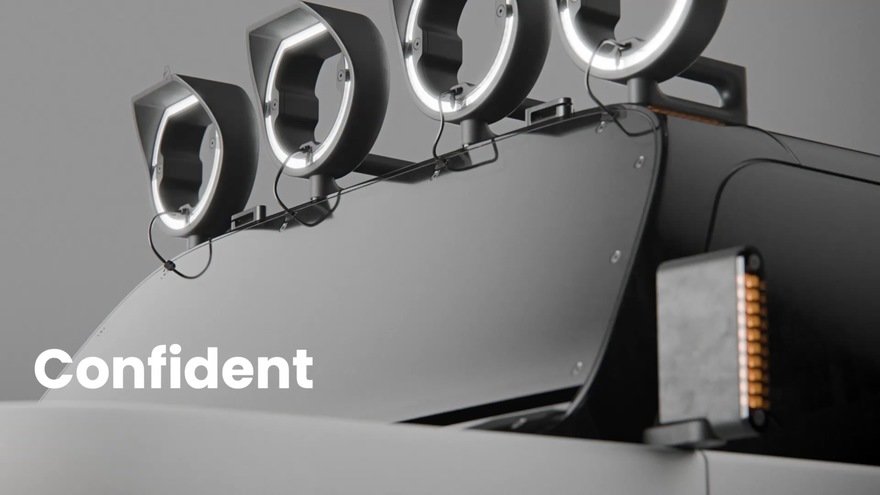
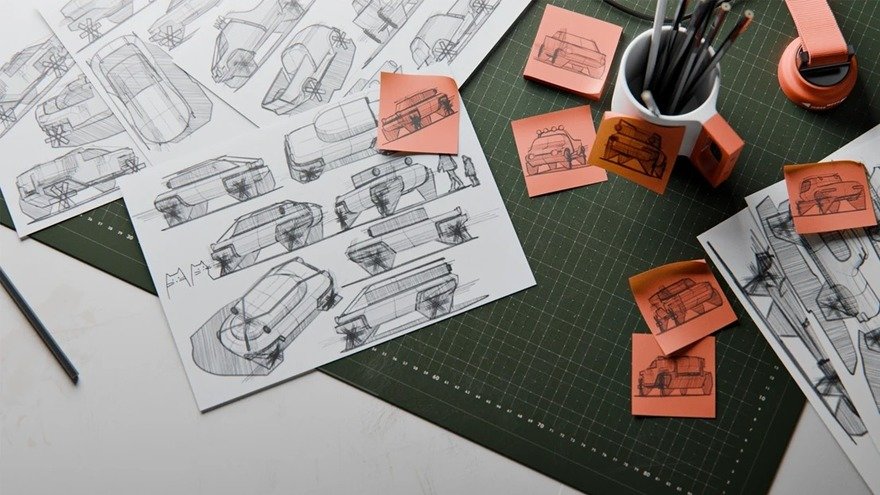
Form ideation sketches exploring proportion, stance, and the relationship between volumes. Inspiration taken from the 4 products previously designed.
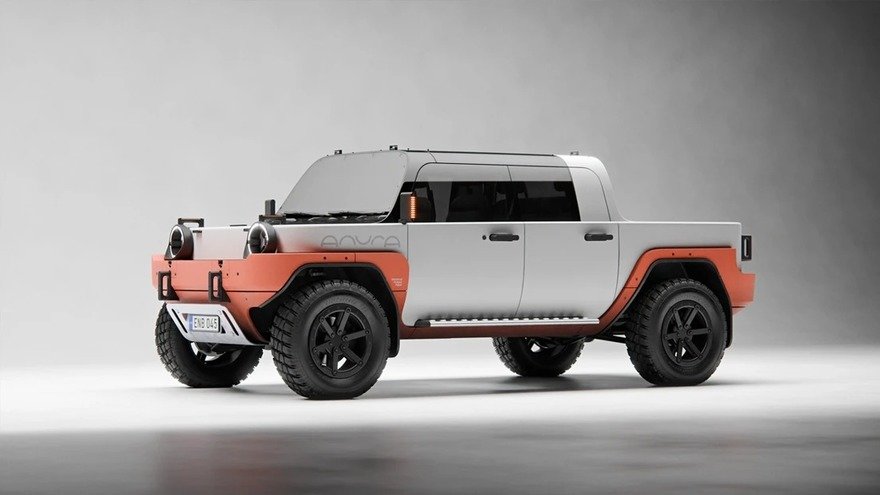
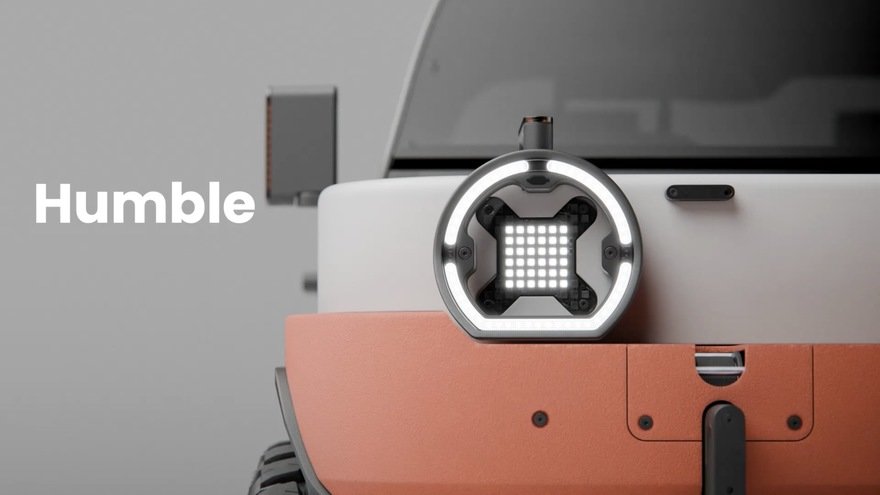
Front view, with two winches integrated into the bumper and modular headlights that detach for use as portable lanterns.
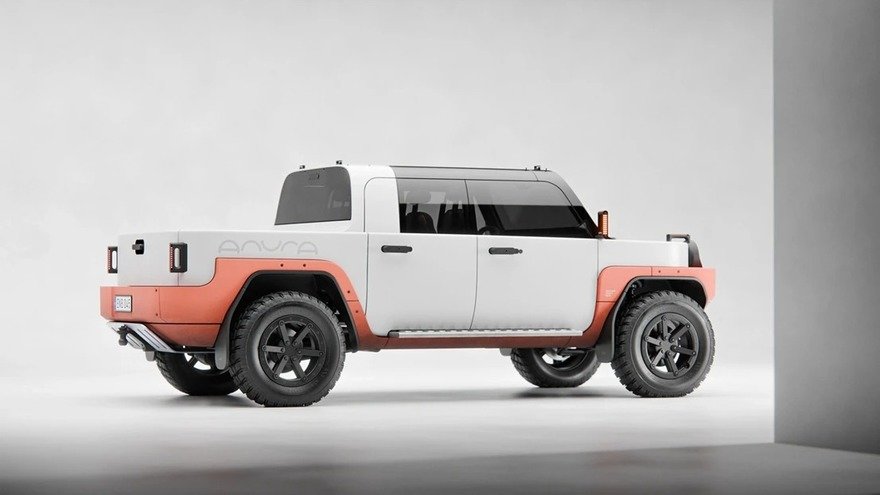
The rear of the vehicle, where the ANURA logo is debossed into the panel above the rear fender, integrated into the body rather than applied to it.
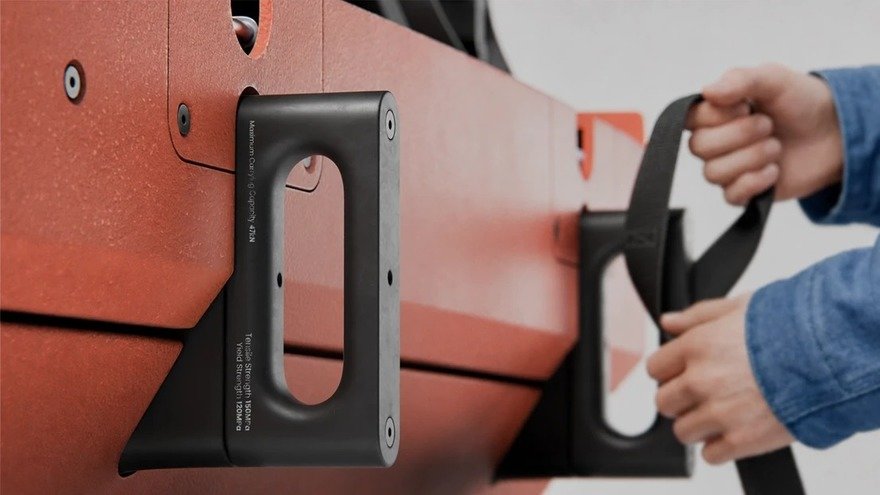
The handle, with two mounting holes and a third opening that serves as a grip, a strap point, or a pulley mount.
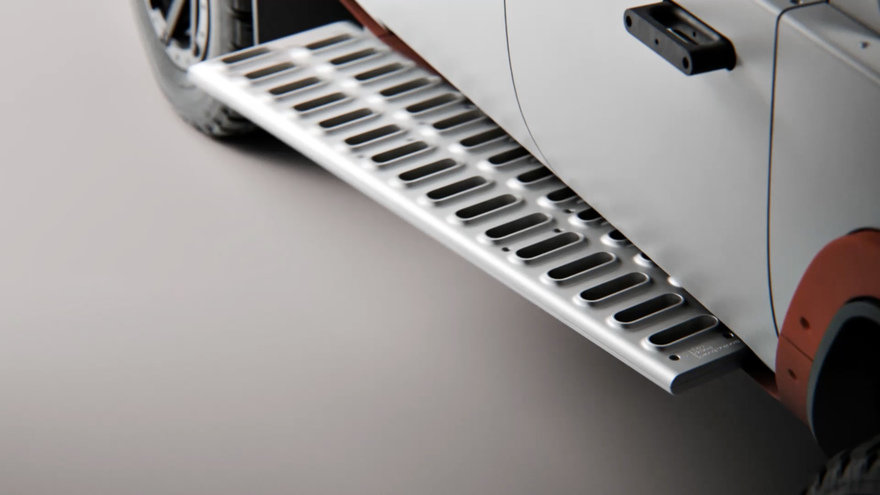
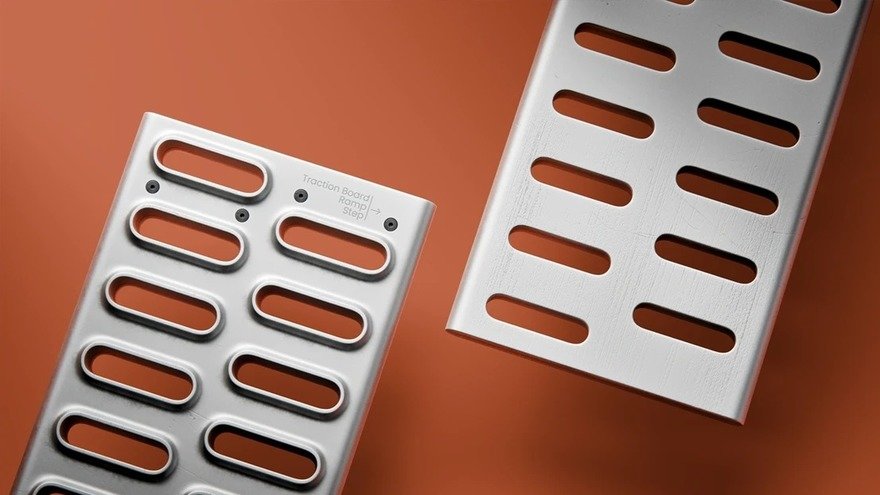
The running board, which detaches from the vehicle to work as a loading ramp or a traction board.
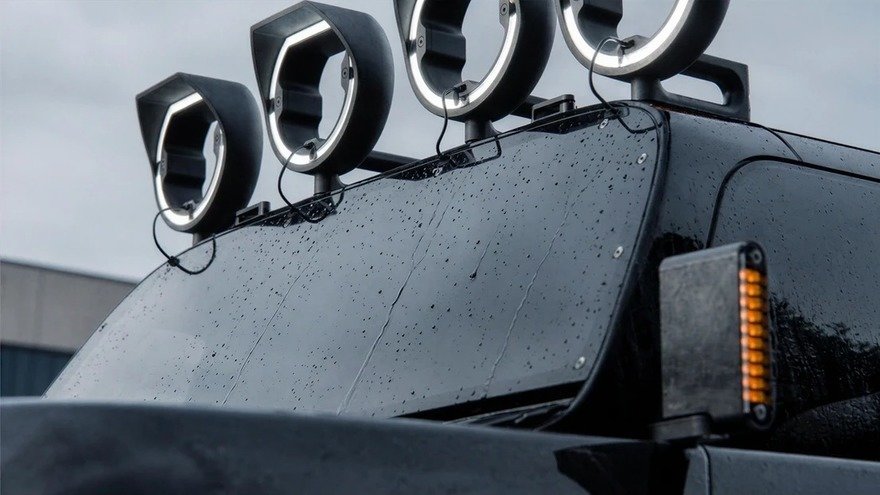
The headlight reversed and mounted on the roof, the same component in a third role — alongside its uses as a headlight and as a portable lantern.
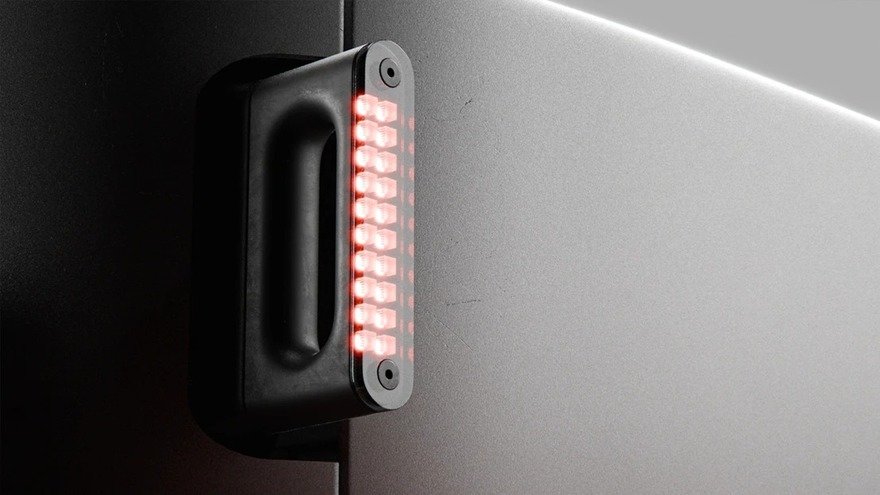
The rear light, built from the same handle component used across the vehicle.
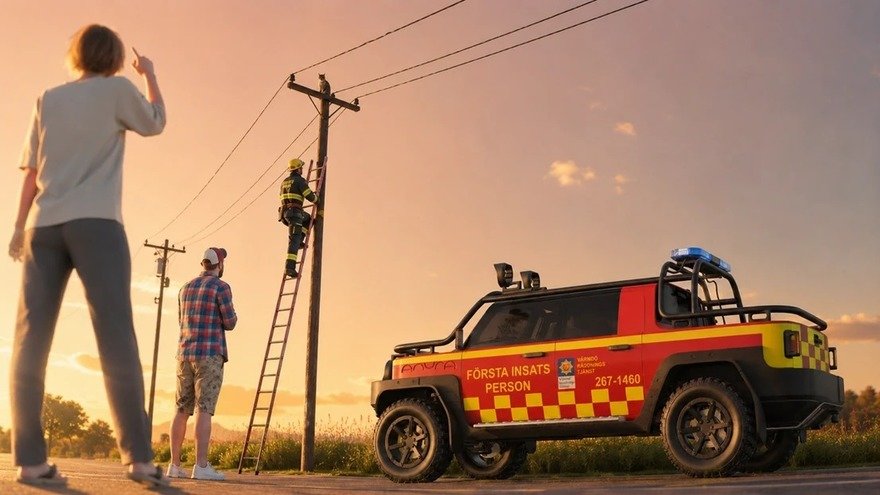
ANURA is built to be adapted to whatever the user needs it for, with capability that responds to the situation rather than dictating it.
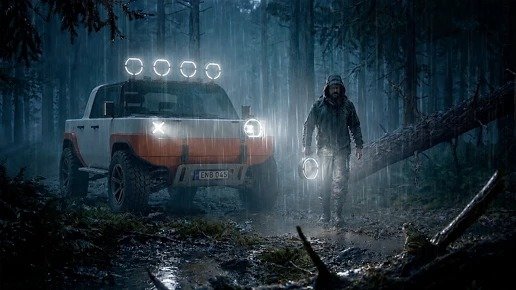
The headlight detaches as a portable lantern, and the car keeps lighting the way with its remaining light — the empty mount showing an X, signalling that the vehicle is now blind in one eye.

 点赞
点赞 收藏
收藏 点踩
点踩 分享
分享