US Trade Talks Fuel Worry in Canada Over Tech and AI Rules

The US Trade Representative’s mention of “digital trade alignment” as part of an agreement with Prime Minister Mark Carney’s government is fueling concerns about Canada’s ability to set its own policy for technology companies.
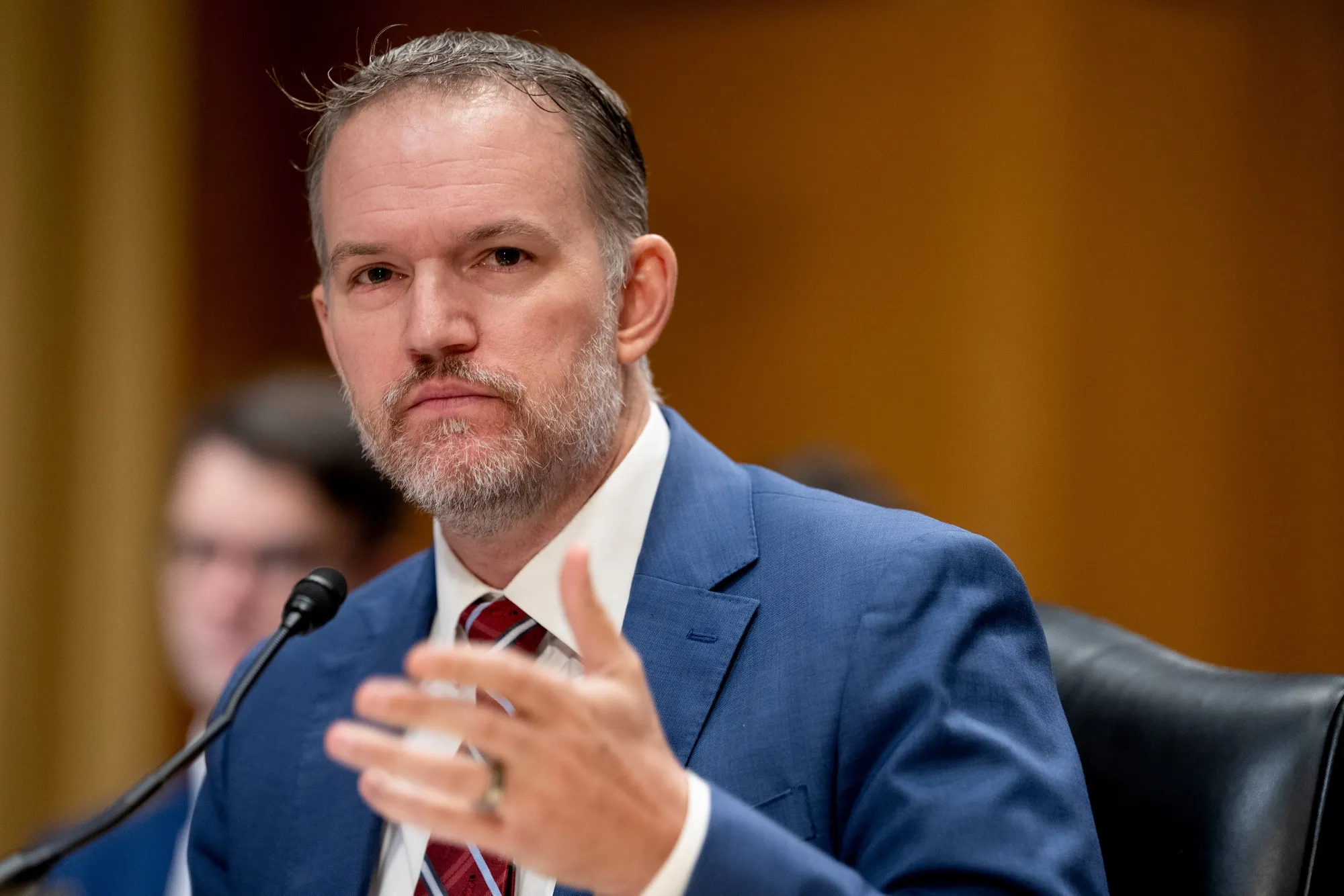
The two countries appear to be on the cusp of a deal to reduce tariffs and address trade irritants. US Trade Representative Jamieson Greer said in a social media post that it would include “comprehensive market access for all American goods, economic security commitments, digital trade alignment, and many important provisions.”
Former Prime Minister Justin Trudeau’s government introduced a number of policies aimed at regulating global tech giants operating in Canada, which led to frictions with both the Biden and Trump administrations. While Carney has diverged with his predecessor on some of those policies, his government’s artificial intelligence plan vows to build up domestic digital infrastructure to reduce reliance on foreign cloud providers.
Read More: Carney’s Middle Powers Race to Thwart US-China Dominance of AI
Investor Jim Balsillie, the former co-chief executive officer of BlackBerry Ltd. and current chair of the Council of Canadian Innovators, said trade agreements are no longer just about the free flow of goods, but rather are becoming “instruments of regulatory remote control.”
“What is the alignment that’s covered?” Balsillie said in an interview about Greer’s characterization of the deal.
“Is it liability for bad behavior? Is it copyright for how these algorithms ingest models? Is it the ability to do privacy or procurement or sovereign compute? There are many, many questions that go into governing a sovereign, prosperous country. And the devil’s going to be in the details.”
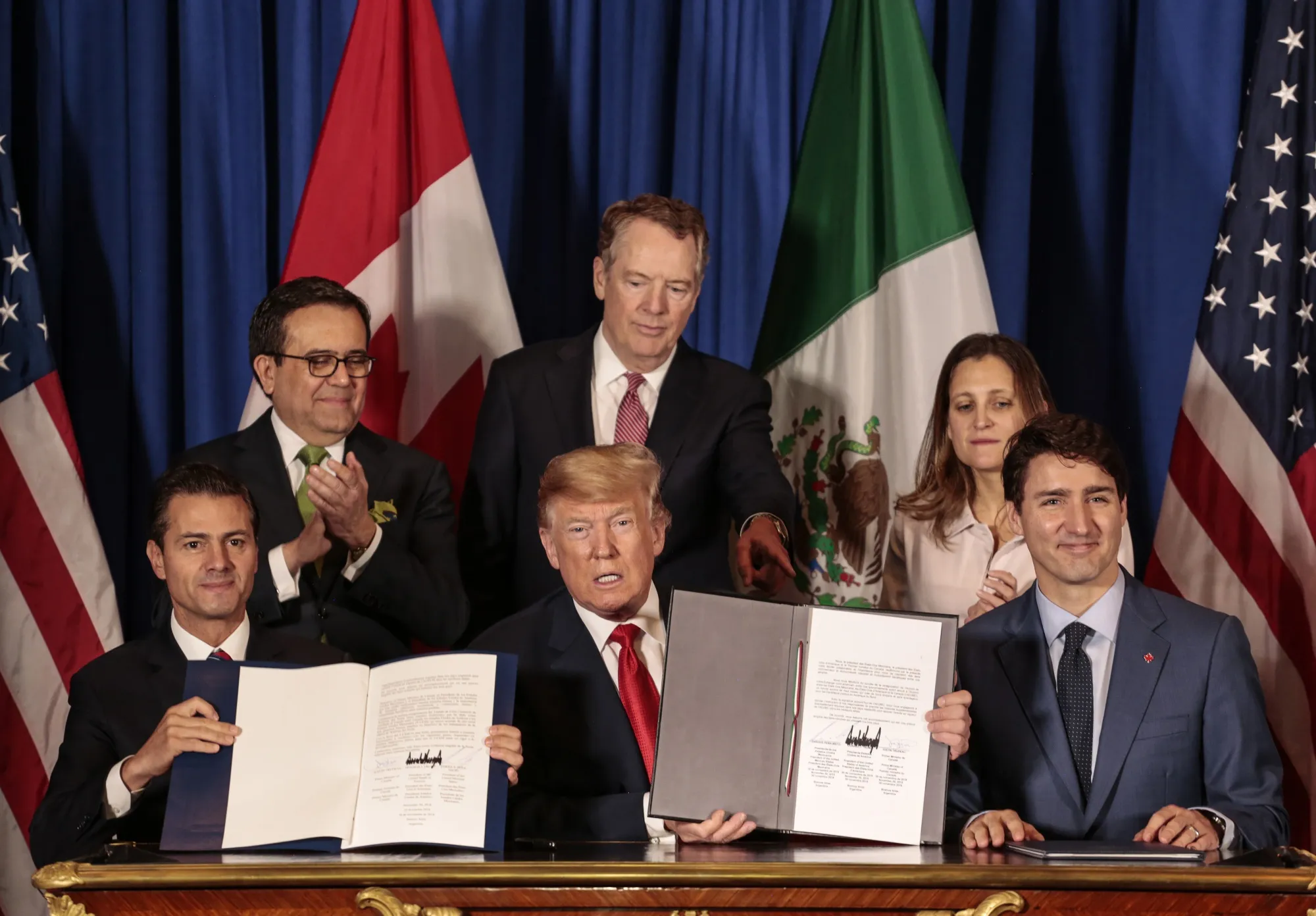
Balsillie said Canada opened the door to US meddling in domestic policy in 2018 when it signed the US-Mexico-Canada Agreement, which included digital trade rules that mandated cross-border data flows and restricted data localization, or requiring firms to store data locally.
Earlier this year, the USTR complained about some of Canada’s digital policies in an annual report on trade barriers, including the Online Streaming Act, which required global entertainment platforms such as Netflix Inc. to make financial contributions toward Canadian content.
The report also criticized the Online News Act, which attempted to force major social media and search companies to pay publishers for carrying links to news stories. Meta Platforms Inc. balked, and now Facebook users in Canada aren’t able to post links to articles from established news providers, including Bloomberg News.
The USTR has also flagged Canada’s initiative to create sovereign cloud-computing infrastructure, meant to ensure that advanced computing power and sensitive data remain under Canadian legal control.

The Carney government has already taken steps to alleviate some of the Trump administration’s digital policy concerns, including dropping a digital services tax and replacing a requirement for streamers to contribute 15% of their revenues to Canadian content.
Read More: Canada Backs Off Plan to Force Netflix, Disney to Spend More
Vass Bednar, managing director of the Canadian SHIELD Institute think tank, said the term “alignment” raises concerns about whether Canada will walk back any of its commitments on digital sovereignty, such as ensuring Canadians’ data is governed domestically.
“One of the elements we are worried about, or I’m worried about, is if Canada’s going to also step back from these initial commitments we’ve made, these initial investments in our own sovereignty and resilience,” Bednar said.

 点赞
点赞 收藏
收藏 点踩
点踩 分享
分享