Were Japanese Surnames Really Made Up on the Spot

A curious inquiry into Japanese surnames and myoji.
While listening to the business news, hearing several Japanese names reminded me of a college friend who studied Japanese and worked at a Japanese firm. My thoughts drifted to the well-known legend about how Japanese surnames originated:
Emperor Meiji ordered every citizen to adopt a surname. People supposedly looked at their immediate surroundings and improvised names with prominent geographic features on the spot—Tanaka (in the middle of rice fields), Yamamoto (at the foot of the mountain), Matsushita (under the pine tree).
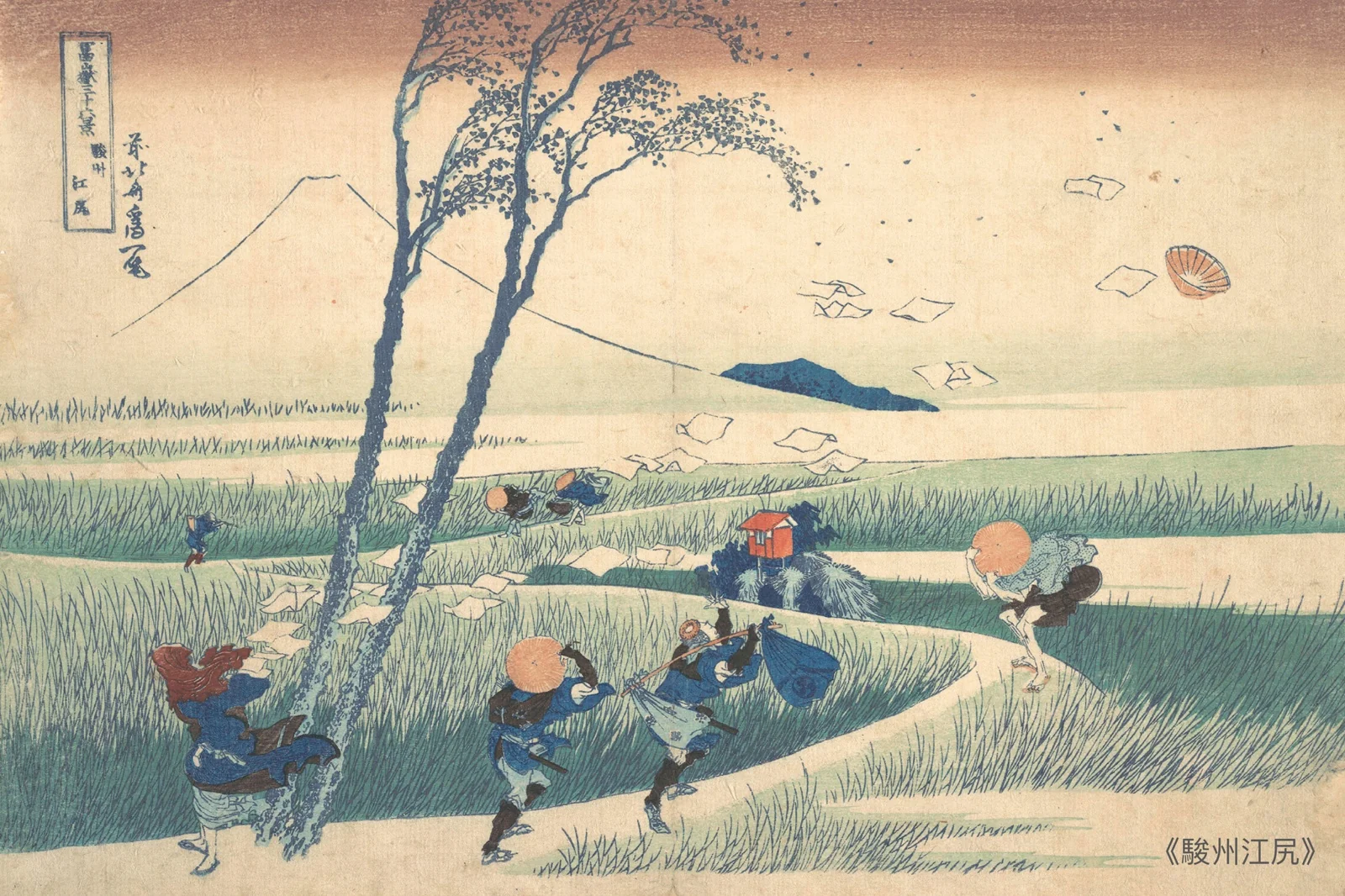
On second thought, the story seemed far too neat and casual to be true. Was it like the climax of a popcorn movie where a beam of light descends and everyone ascends at once? It sounded suspiciously like internet clickbait.
Looking into it deeper, the general narrative is not entirely wrong, but it is heavily oversimplified and dramatized.
Early on, only Japanese aristocrats were allowed their own clan names, or uji (氏)—such as Minamoto (源), Taira (平), Fujiwara (藤原), and Tachibana (橘). As these noble houses flourished and their estates expanded, distinguishing branches of the same family across different fiefs became difficult. Geographic identifiers tied to estates were introduced, giving rise to myoji (苗字).
For example, the Fujiwara clan once dominated the imperial court. Eventually, so many people shared the uji that it lost its distinguishing power. The clan naturally branched into an intricate myoji system. Branches remaining in Kyoto took names from city streets and locations, such as Konoe, Kujo, Ichijo, Nijo, and Takatsukasa. Those in provincial estates evolved prefix-based naming conventions combining geographic or ancestral roots with “-to” (藤), yielding Ito, Kato, Kondo, Endo, Ando, Bito, Muto, Sudo, and Eto. Others combined official ranks or posts with the character, such as Sato, Saito, Kudo, Naito, and Shindo. Still others adopted purely geographic names, such as Date and Uesugi.
Back then, a prominent nobleman might have been formally addressed like this:
Date Fujiwara no Ason Tojiro Masamune
- Date (伊达): Myoji, used in daily life to distinguish branches within the clan, but omitted in formal official documents.
- Fujiwara (藤原): Formal clan lineage (uji), the standard for official state records.
- Ason (朝臣): The hereditary title or rank (kabane / 姓). Unlike the Chinese concept of surname, this denoted court rank bestowed by the emperor.
- Tojiro (藤次郎): A courtesy alias or informal appellation used to avoid directly speaking the given name.
- Masamune (政宗): The formal given name (na / 名).
In official imperial court records, this person would typically appear as “Fujiwara no Ason Masamune.” The division between formal titles and everyday identifiers was crystal clear.
When myoji spread to commoners, it became a widespread informal tool to distinguish individuals with the same given name. Pairing geography with a personal name is a natural convergent evolution across human civilizations—the path of least linguistic resistance. Leonardo da Vinci, after all, simply means Leonardo from the town of Vinci.
The distinction between uji and myoji is crucial: the former represented bloodline, while the latter signified geography.
Commoners in Japan were never permitted an uji, and their myoji were not officially recognized. Even though myoji were widely used in everyday life, they never appeared in formal dealings with authorities.
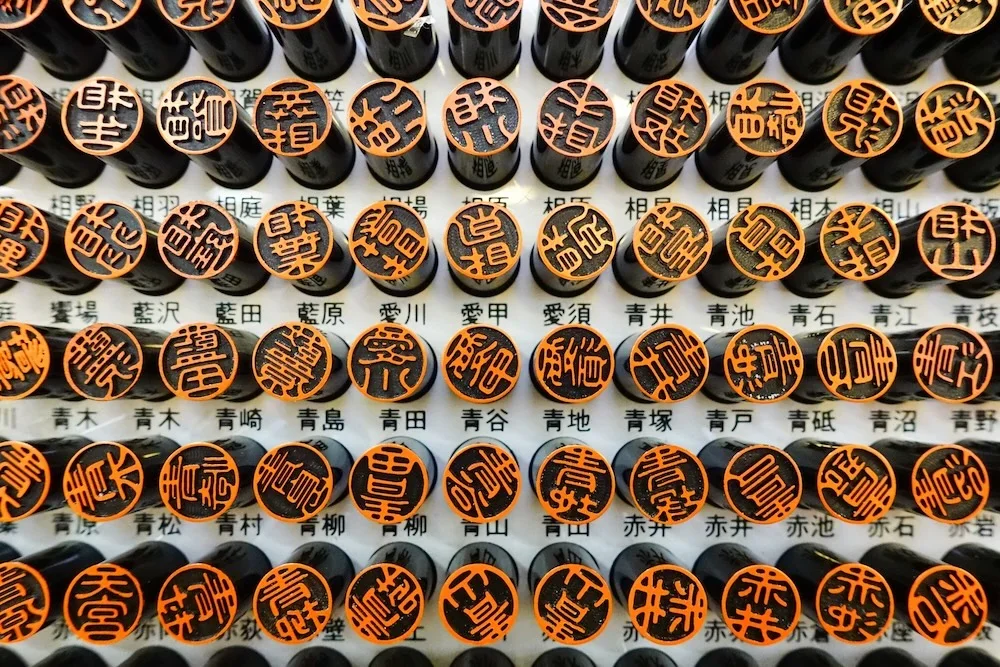
In 1870, the Meiji government issued the Commoner Myoji Permission Edict (平民苗字容许令), legally permitting commoners to adopt myoji. Few responded, fearing it was a prelude to new taxes. This historical detail alone refutes the oversimplified legend: commoners may have been illiterate, but they were far from foolish. In 1875, the Commoner Myoji Requirement Edict (平民苗字必称令) made adopting surnames mandatory, compelling everyone to register. The most natural choice for commoners was simply to register the myoji they had already used for generations—there was rarely any need to invent names on the spot.
To be sure, a small minority of commoners who lacked established myoji sought help from local monks or village elders. Some chose prestigious clan names for good fortune, which is why sharing a famous noble surname today does not guarantee direct blood descent.
While Chinese surnames primarily signify shared lineage and bloodline, Japanese surnames bear little inherent relation to biological descent. In Japanese culture, a surname functions less like a genetic marker and more like a corporate brand. When an ancient Japanese family lacked a male heir, they routinely adopted an adult son-in-law (muko-yoshi), who assumed their surname and inherited the family enterprise—a practice considered taboo in traditional China.
Even modern Japan maintains a culture of married couples sharing a single surname, treating the surname as a brand for the household as a functioning community. Yet this was not an unbroken ancient tradition: following the 1875 edict, the government ruled in 1876 that wives must keep their maiden surnames. In 1898, under the influence of Western civil code models, the law reversed to enforce a single shared surname. This historical trajectory underscores that in Japanese culture, surnames and biological lineage have long been decoupled, enabling structural shifts with minimal cultural resistance.

 点赞
点赞 收藏
收藏 点踩
点踩 分享
分享