From Streets to Snuggles in 7 Steps: The Hidden Work That Helps Shelter Pets Find a Home

How many folks does it take to get a pet adopted? As it turns out, it takes a village. Or rather, a network of dedicated people from foster families to vet techs all working toward the same mission to move animals from precarity towards safety, love and comfort. They invariably share a belief that helping pets also helps people. They know that when communities care for animals, they help build a kinder, healthier society—and that successful adoptions don’t happen without support at every step.
Step 1: From instability to intake
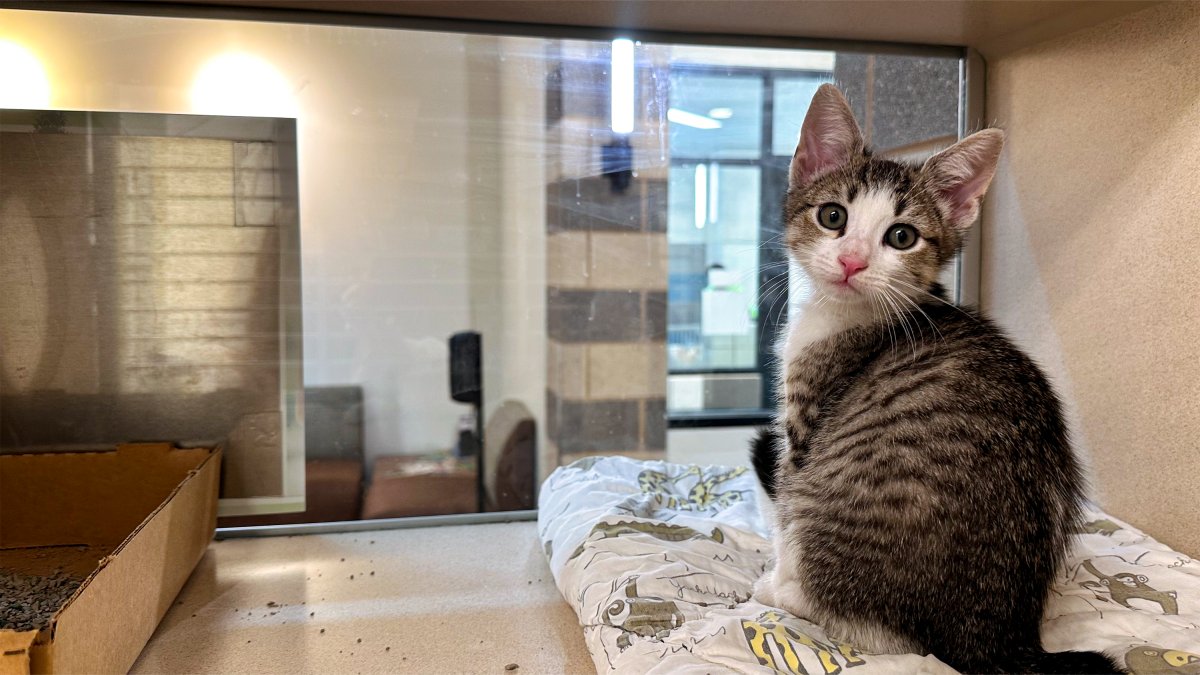
Before adoption can even begin, shelters are already responding to a wide range of human, animal, and community needs. Pets may arrive as strays brought in by animal control or Good Samaritans. Others come from loving homes impacted by illness, housing instability, rising costs, or changing circumstances. Still others are rescued from overcrowded breeding operations, unsafe conditions, or hoarding situations. Cats often enter through trap-neuter-return (TNR) efforts where volunteers humanely manage the outdoor cat populations and identify cats that may be socialized for foster care and adoption. However they arrive, the scale is striking: according to data cited by Hill’s Pet Nutrition 2026 State of Shelter Pet Adoption Report, 5.8 million dogs and cats entered U.S. shelters and rescues in 2025. That’s why Hill’s Pet Nutrition, in partnership with NBCUniversal Local, is once again supporting Clear The Shelters, helping hundreds of shelters across the U.S. connect more pets with loving homes.
Step 2: Medicine, meals and TLC
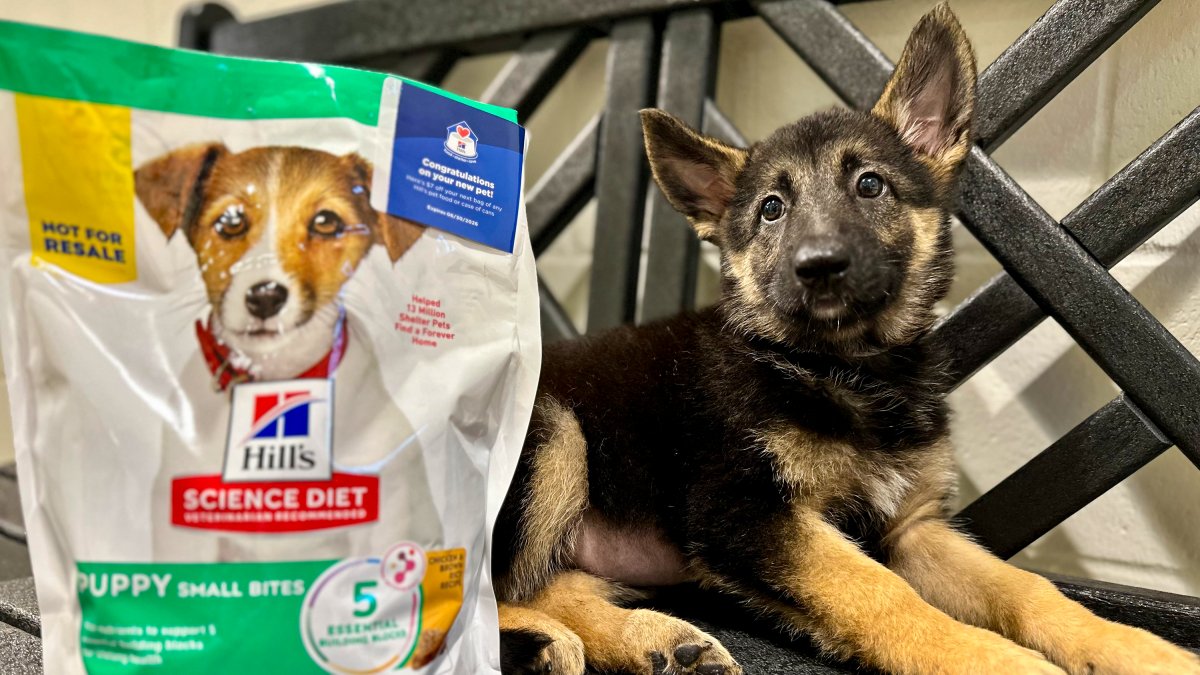
Once a pet is safely inside a shelter, the focus shifts to healing and stabilization. Shelter staff and licensed veterinarians assess each animal’s needs, then coordinate exams, vaccines, parasite prevention, wound or illness treatment, and a vet-recommended nutrition plan, like Hill’s Science Diet, that can support recovery after stress. Veterinary teams also coordinate spay and neuter surgery for the 75% of dogs and 77% of cats that arrive unaltered, according to the ASPCA. Often supported by donations, this critical step helps to curb the unhoused pet population, reduce shelter crowding, and enables more animals to receive the care they need.
Step 3: Personalities and potential
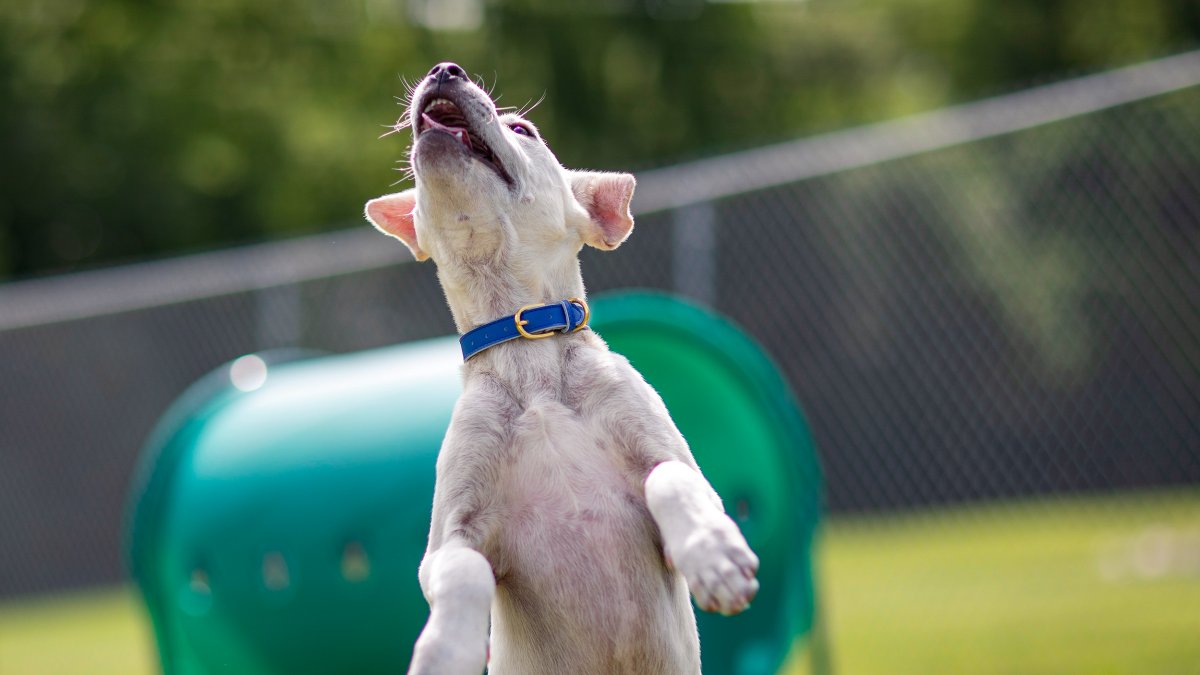
Once a pet’s immediate needs are addressed, shelter teams begin essential behavior assessment: how a dog walks on a leash, whether a cat warms up over time, how an animal responds to food, and what signals stress, confidence or curiosity. Understanding what helps each pet feel safe allows staff and volunteers to comfort, socialize and better match animals with adopters who can meet their needs. That might mean a volunteer discovering a shy dog relaxes outside the kennel, a staff member realizing a cat prefers a calm corner to a busy room, or a behaviorist helping an anxious pet build trust. This is where personalities come into focus, and the right match starts to feel possible.
Step 4: Fostering trust
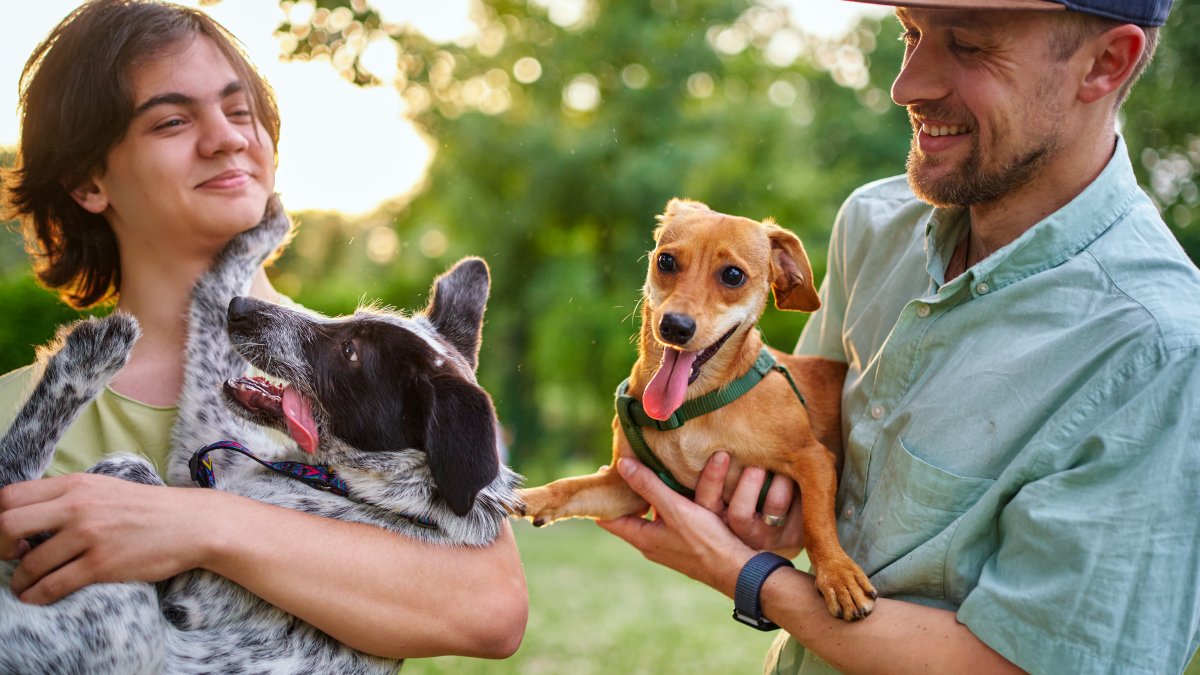
For shelters with foster programs, the next step is coordinating matches through outreach, volunteer portals, training and ongoing support. Foster homes provide a crucial bridge between shelter life and adoption, giving pets space to decompress, socialize, practice routines and build confidence. Some would-be fosters hesitate, worried a short-term stay won’t be “enough” or that saying goodbye will be too hard. But even a few days or weeks in a home can make a meaningful difference: caregivers help ease shelter crowding, give animals a chance to flourish outside a kennel and provide everyday insights that can lead to stronger permanent matches. Most programs also supply caregivers with food, medical care and support. Research shows that shelters and rescue groups with foster programs have adoption rates 20 percentage points higher than those without them. For many animals, fostering is not just a pause on the way to adoption, but the tool that allows them to abandon survival mode, making room for affection, trust, and the softer instincts that lead them to permanent homes.
Step 5: Matchmaking and first impressions
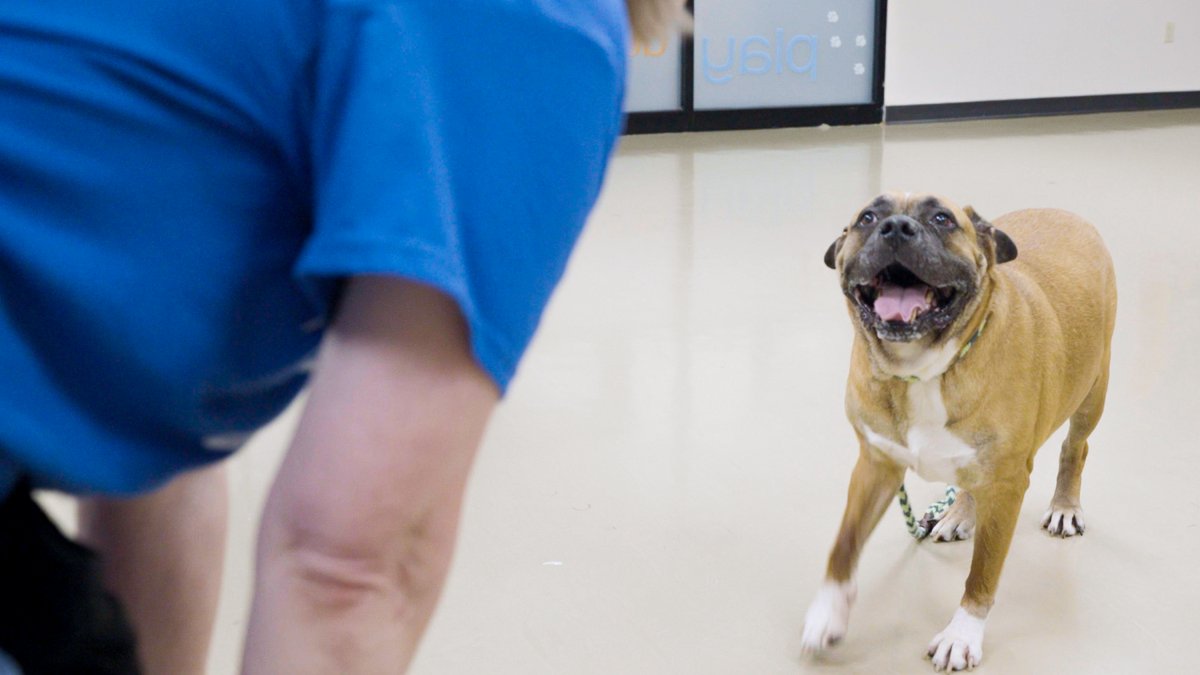
Once a pet has been treated and evaluated, shelter teams begin telling the animal’s story. Staff, foster parents and volunteers may take photos, write bios, film videos, update adoption websites, create social posts or prepare kennel cards—anything that helps potential adopters understand who the pet is. Strong profiles go beyond basics like name, age and breed to help people picture daily life together: a dog’s love of high-energy play, a cat’s favorite sunny window, a senior pet’s calm companionship or how an animal interacts with children. Skilled photographers can help a shelter animal put their best paw forward, while talented tailors can sew eye-catching animal accessories. Done well, this step turns careful observation into connection.
Step 6: Making it official
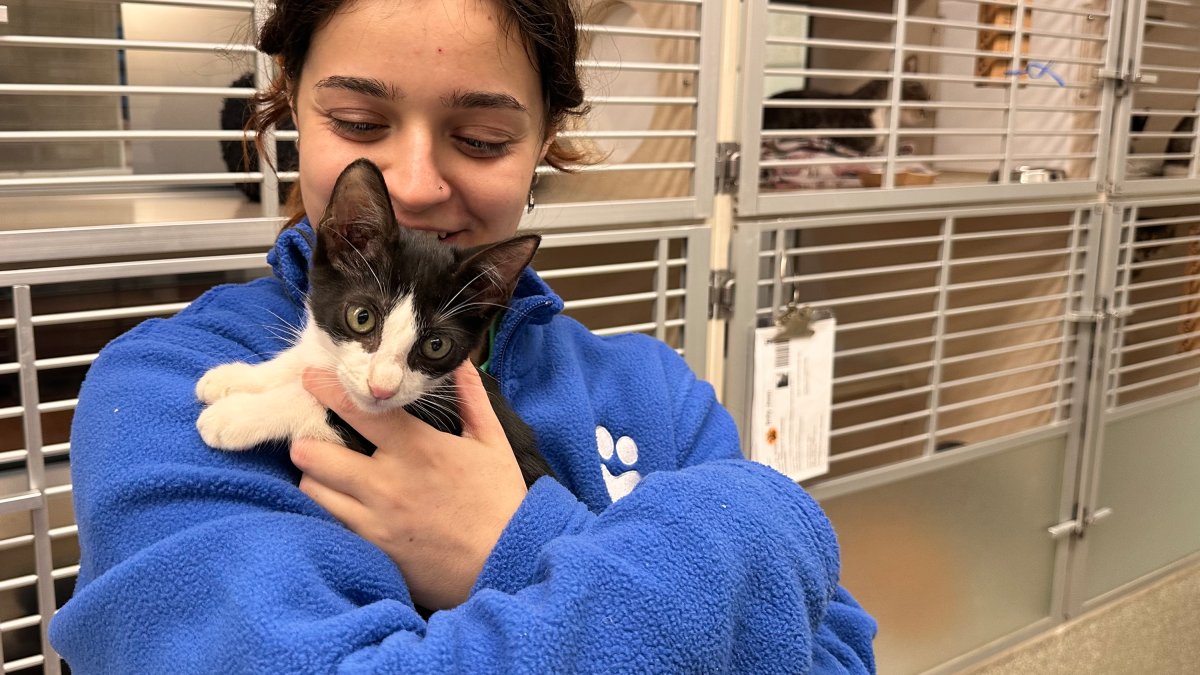
The finish line is in reach, an adopter gives their emphatic “yes!”, and the final details begin. Shelter staff may walk adopters through an adoption agreement, collect fees, confirm housing requirements, transfer medical records, review vaccination history, explain follow-up care, and ensure microchip information is registered or transferred. They may also send the adopter with practical guidance to ease the transition. Many shelters, like those that partner with Hill’s Pet Nutrition’s Food, Shelter & Love program, send adopters home with new pet parent kits that contain starter bags of Hill’s Science Diet to maintain consistency with the food their pet has been eating in the shelter. Arizona Humane Society volunteer Perry Fanzo emphasizes the importance of that nutritional continuity: “We give them the same bag of Hill’s pet food to take home. They see how good the animal is, how healthy and happy it is. It’s a great testament to the food itself.” With paperwork complete and food in hand, the new pet parent is on their way.
Step 7: Home sweet home and the 3-3-3 rule
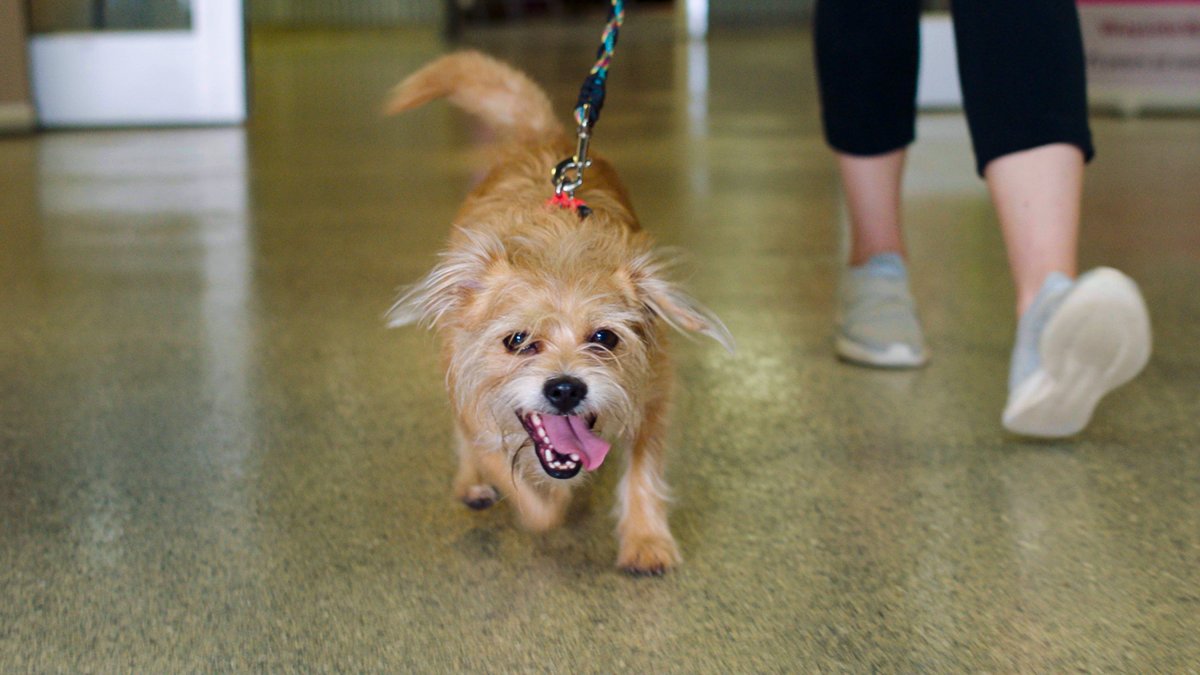
Adoption day may feel like the finish line, but for a pet, it begins a new transition. Many shelters and rescue groups point adopters to the “3-3-3 rule” to set expectations: three days to decompress, three weeks to train and bond, and three months to settle into routines and socialization. Every animal adjusts at their own pace, but the framework helps new pet parents understand that hiding, nervousness, accidents or testing boundaries can be normal as pets make sense of a new world

 点赞
点赞 收藏
收藏 点踩
点踩 分享
分享