Why Designers Are Suddenly Using Cork for Everything in 2026

As sustainability becomes a key focus in design, architecture, and product development, natural materials are gaining renewed attention. Among these materials, cork stands out as a versatile, renewable, and lightweight resource with remarkable environmental benefits. Harvested from the bark of cork oak trees without harming them, cork is biodegradable, recyclable, and highly durable.
Designers and manufacturers are incorporating cork into furniture, home interiors, footwear, and innovative product concepts. Its unique combination of flexibility, strength, insulation, and aesthetic appeal makes it an ideal material for creating solutions that balance functionality with environmental responsibility.
1. The Natural Advantages of Cork
Cork offers a unique set of properties that make it highly desirable for sustainable design applications. It is naturally lightweight, elastic, water-resistant, and capable of absorbing shocks and vibrations. These characteristics allow designers to create products that are practical and durable while reducing material weight.
In addition to its physical benefits, cork is one of the most sustainable materials available. The harvesting process does not require trees to be cut down, allowing forests to continue absorbing carbon dioxide and supporting biodiversity. This renewable production cycle makes cork an environmentally responsible alternative to many synthetic materials used today.
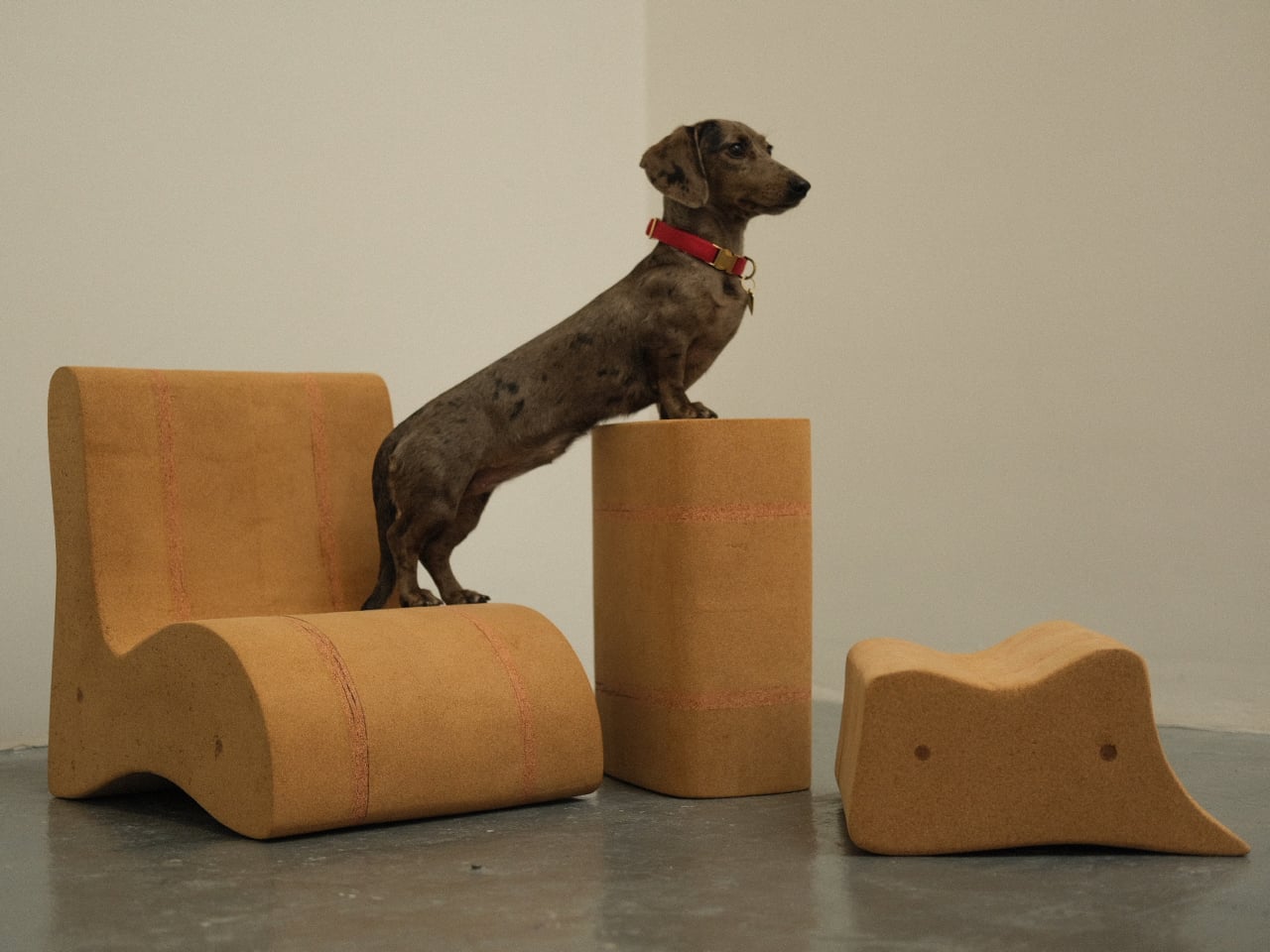
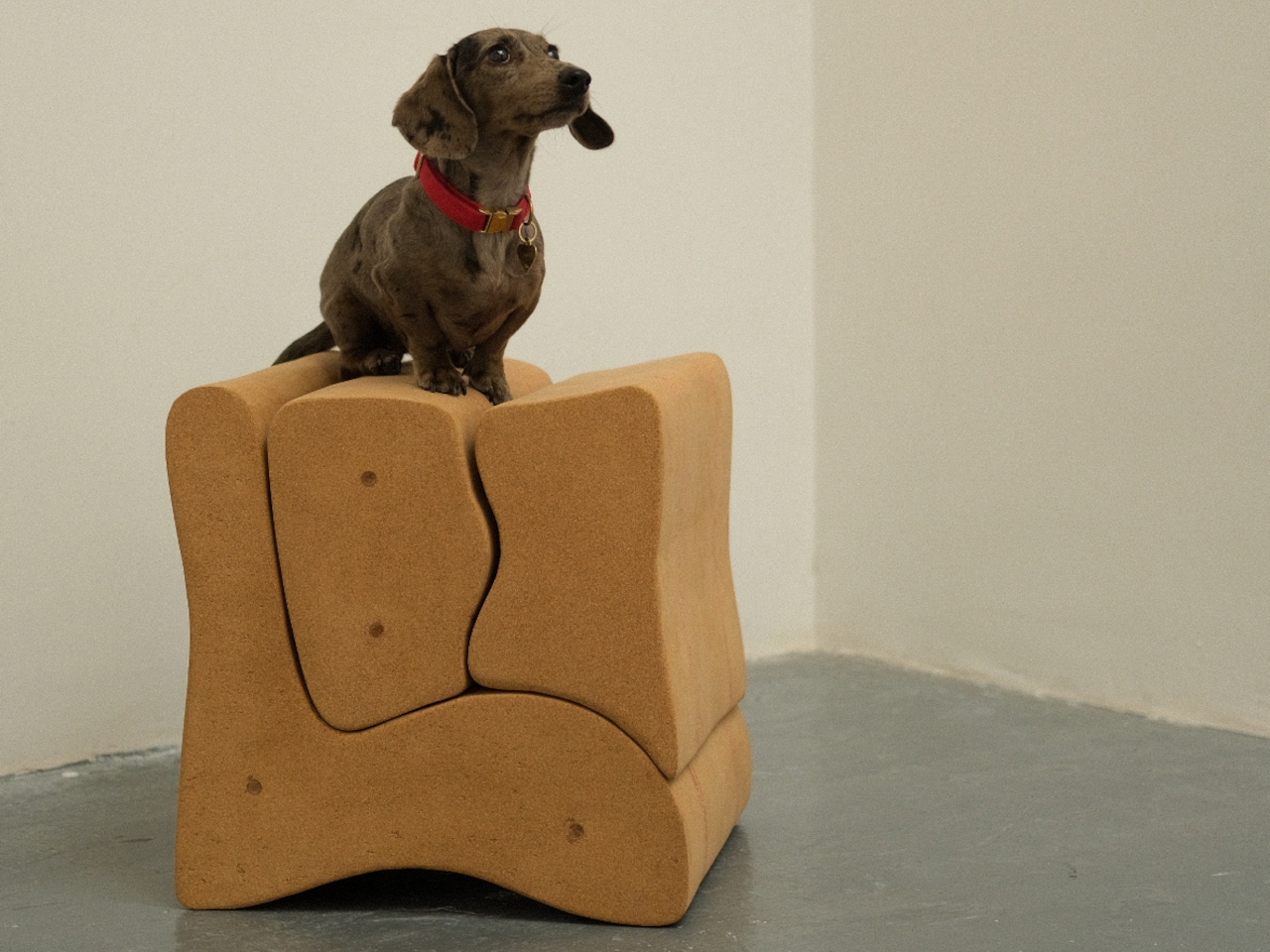
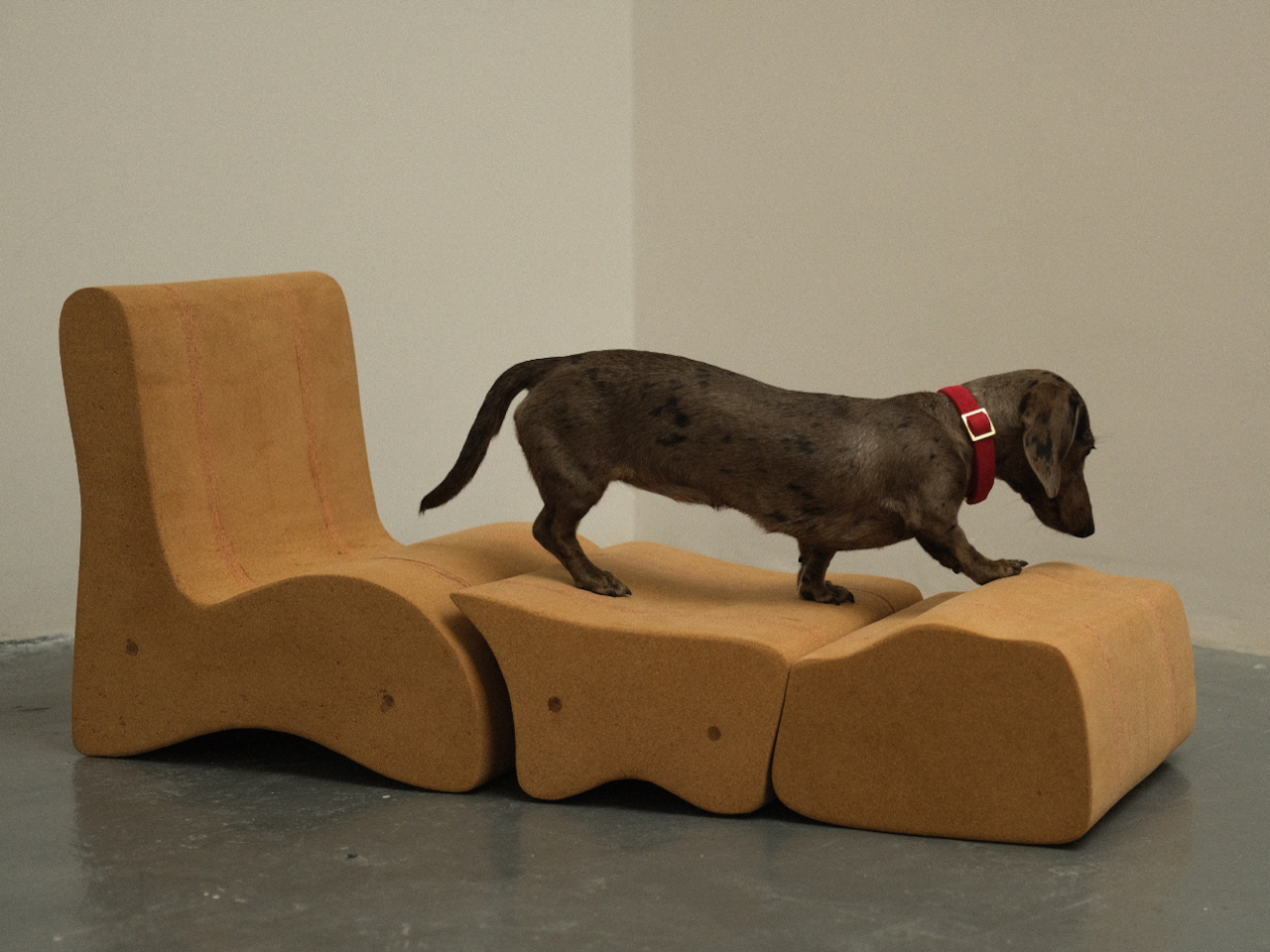
Kidou, designed by Isabel Vera, reshapes modular seating with a playful and highly adaptable approach. Rather than serving a single function, the system encourages users to rearrange, connect, and stack its components to suit different needs throughout the day. A row of stools can quickly transform into a stage, a reading nook, a play structure, or an informal table, making Kidou an ideal solution for homes, classrooms, and creative spaces. Its versatility allows users to customize layouts effortlessly, creating furniture that evolves alongside daily activities.
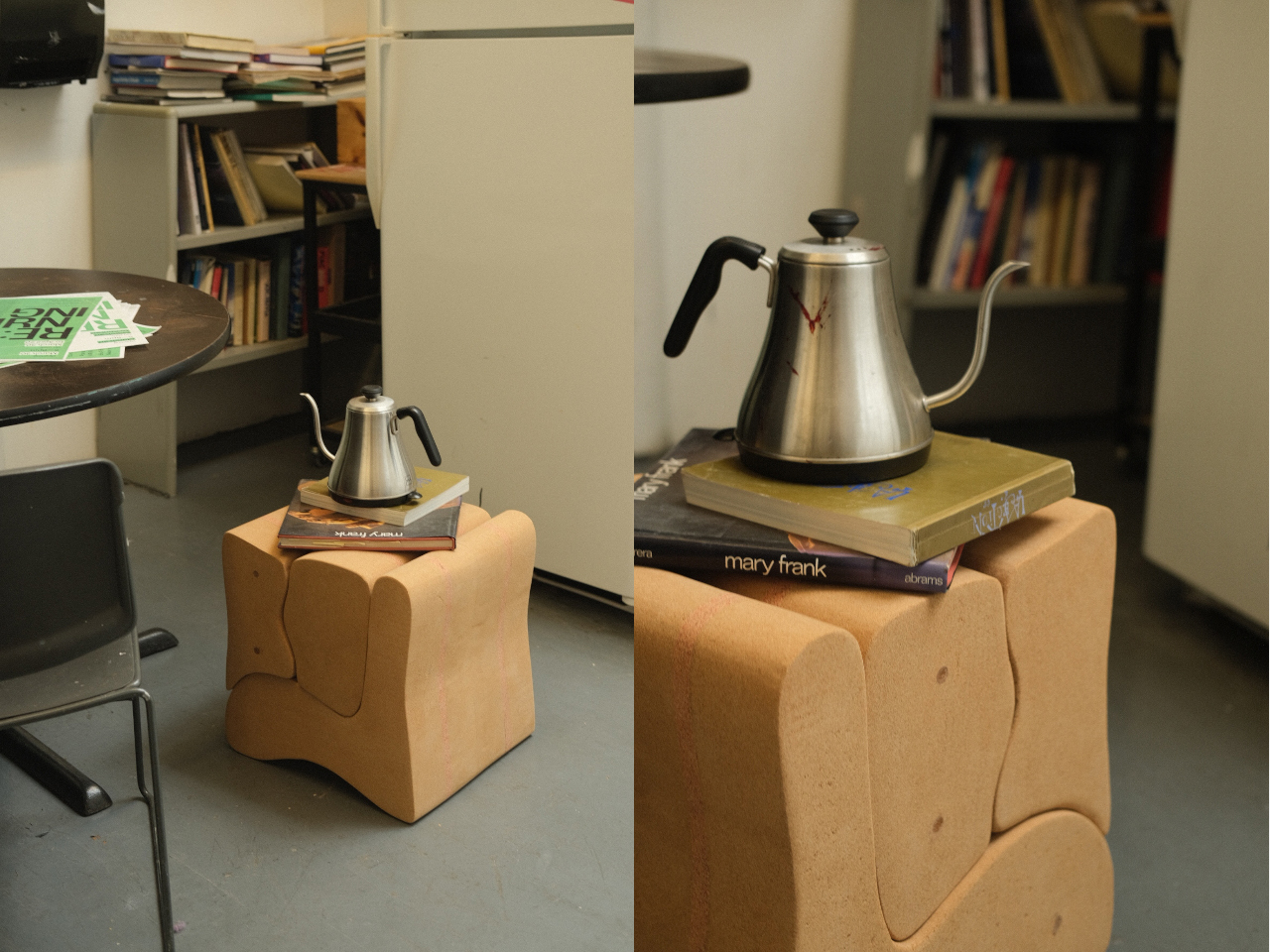
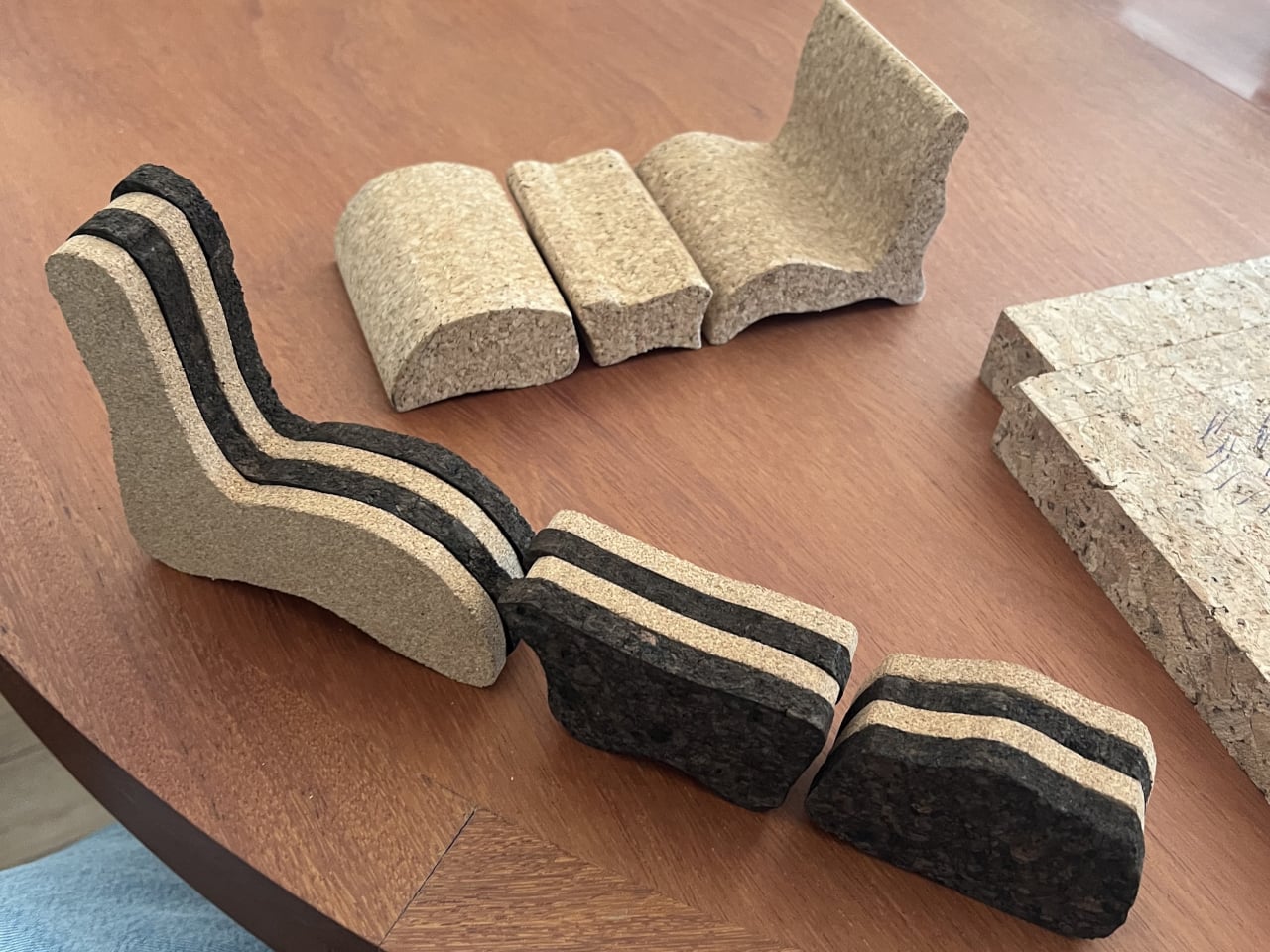
Crafted primarily from cork, Kidou combines functionality with sustainability. The lightweight material makes every piece easy to move, while its warm, soft texture enhances comfort and usability. Rounded forms, smooth surfaces, and a calming palette of earthy tones give the collection a welcoming character that blends naturally into a variety of interiors. Beyond its practical benefits, Kidou introduces a sculptural quality to a room, turning modular seating into an engaging design feature that promotes creativity, flexibility, and interaction.
2. Cork in Modern Furniture Design
Furniture designers are exploring cork as a primary material for seating, tables, and multifunctional products. Its lightweight nature makes furniture easier to move and reconfigure, while its durability ensures long-term performance. Modular seating concepts, stools, and benches made from cork show how the material can support flexible living environments.
Beyond functionality, cork introduces a warm and natural aesthetic that complements modern interiors. Designers appreciate its distinctive texture and organic appearance, which can create inviting spaces without relying on resource-intensive materials. As demand for eco-conscious furniture grows, cork continues to inspire innovative and practical design solutions.
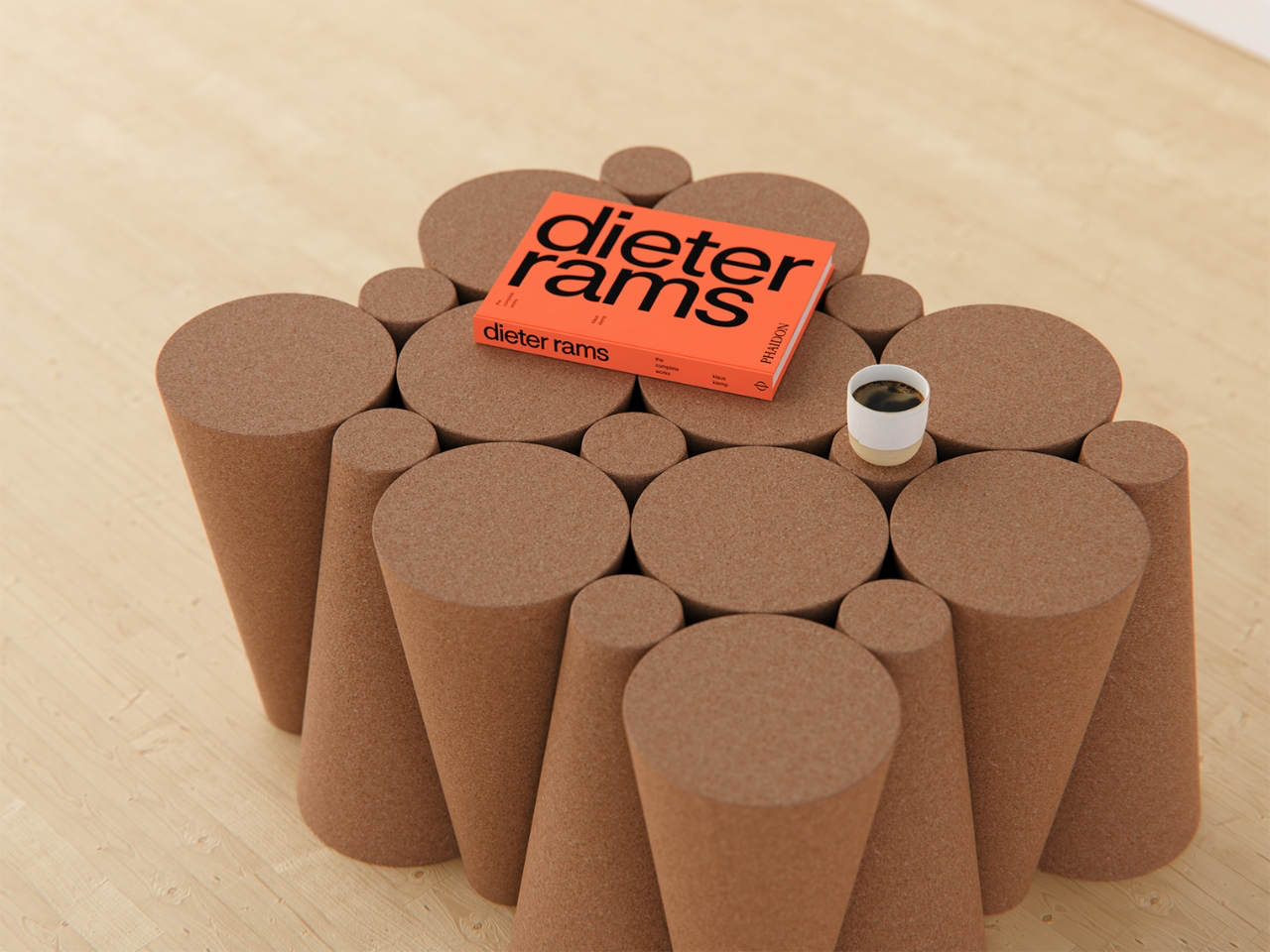
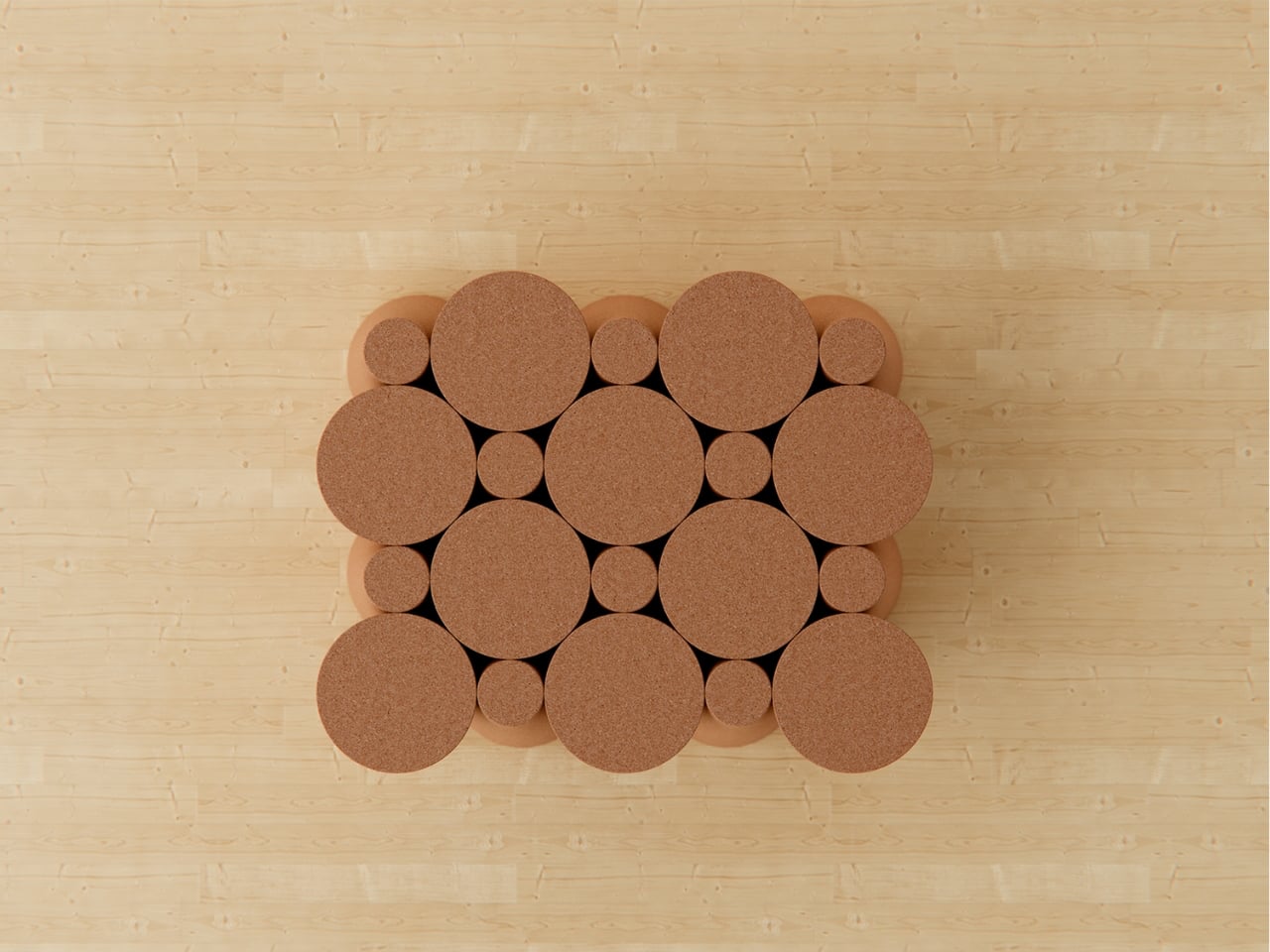
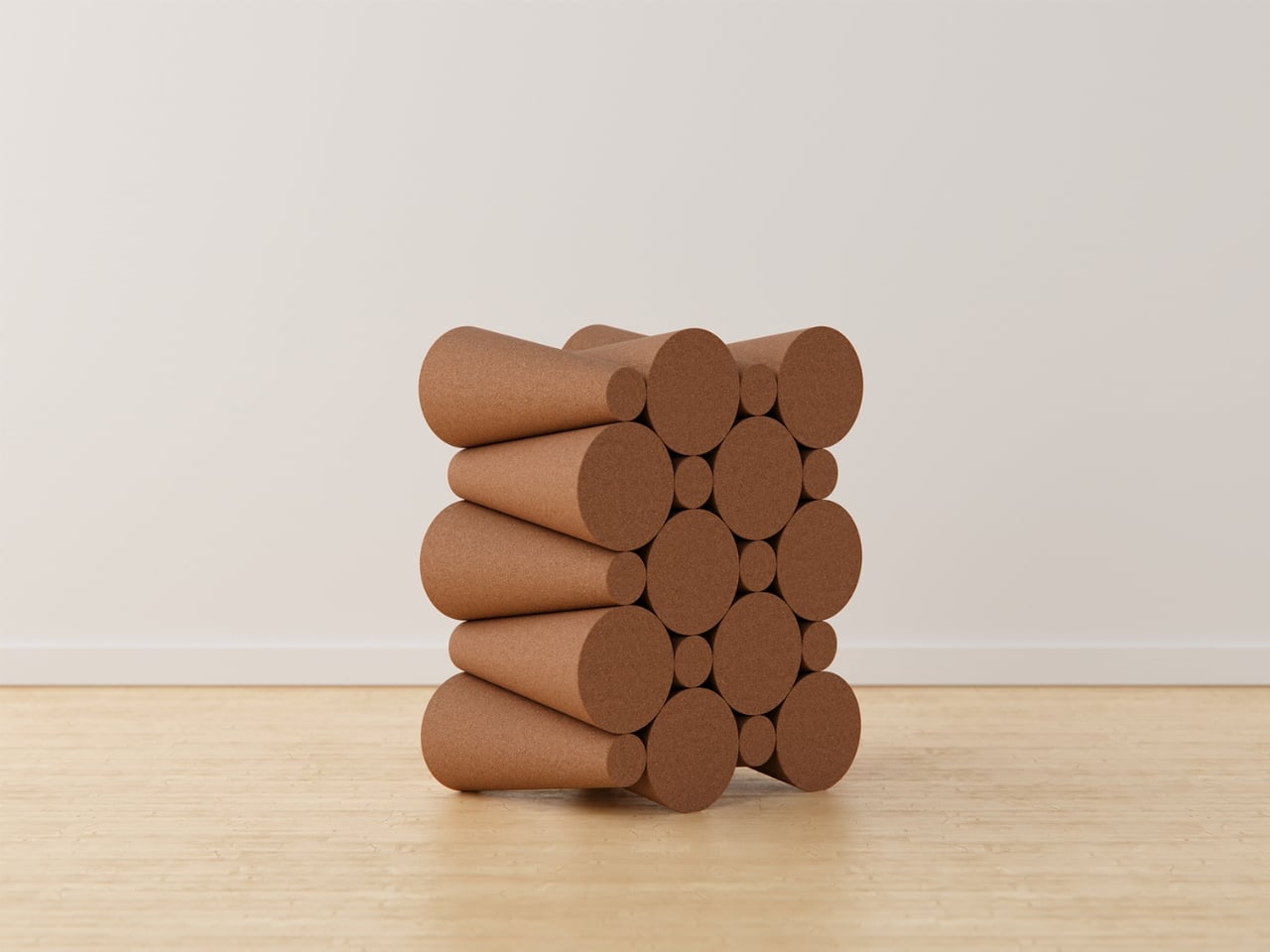
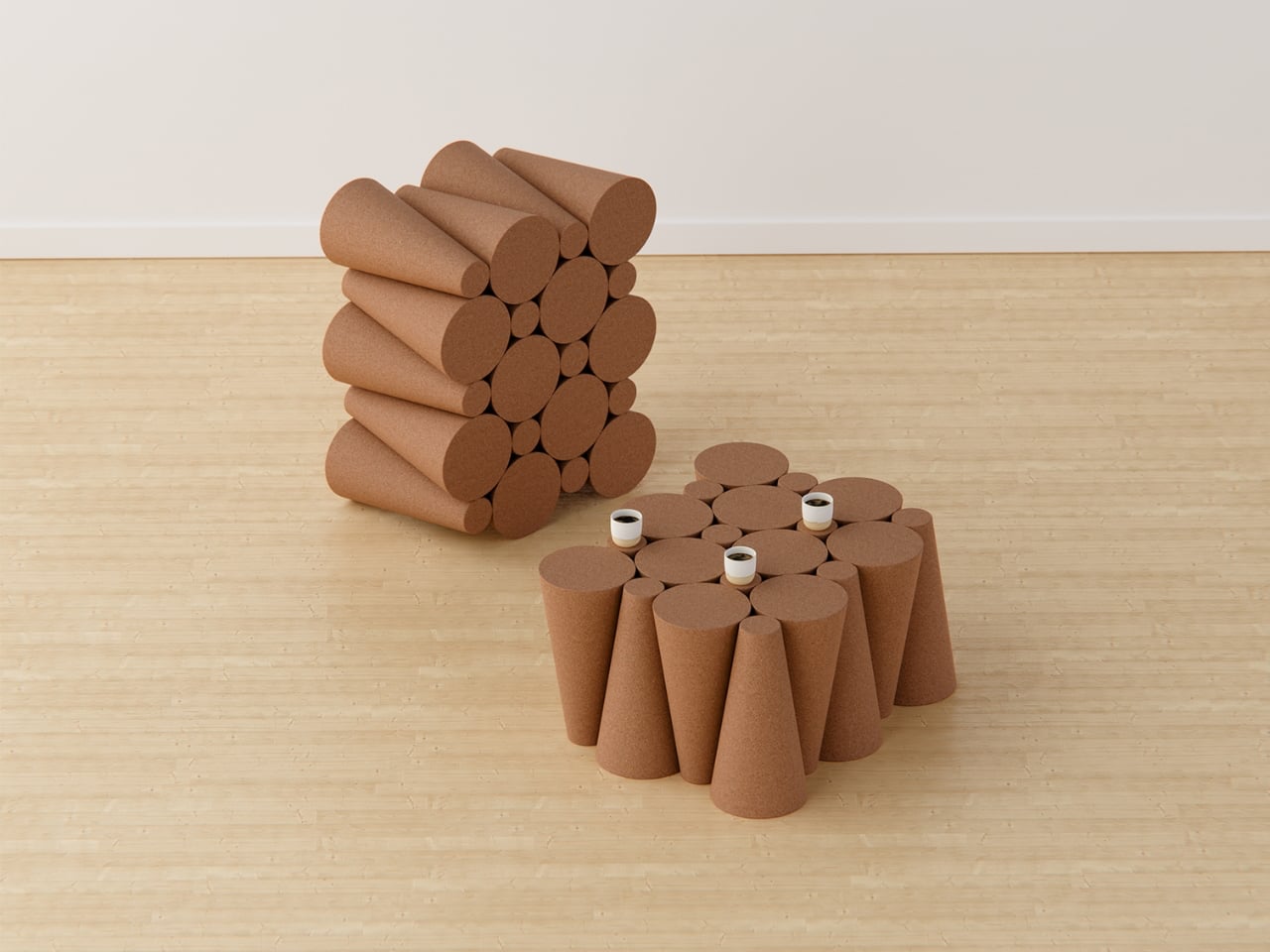
The Polka Coffee Table by Liam de la Bedoyere is a brilliant fusion of smart functionality and joyful design, turning an everyday necessity into an exciting visual experience. Inspired by a simple cone sketch, the tabletop is energized with inverted cork cones that double as built-in coasters, instantly solving the constant search for a place to set your drink. The playful polka-dot arrangement transforms the surface into something lively, dynamic, and full of character, making every interaction feel intuitive and satisfying.
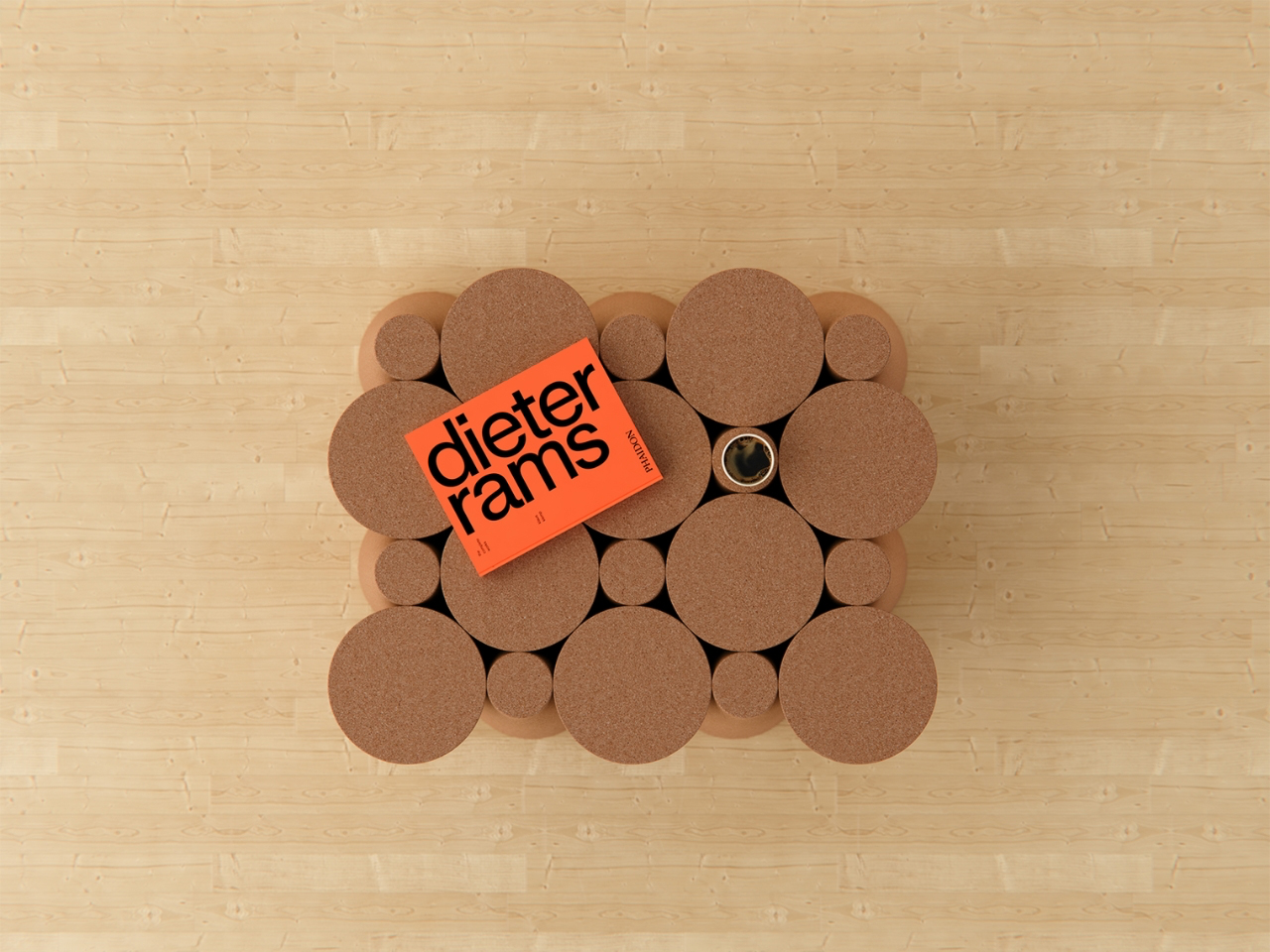
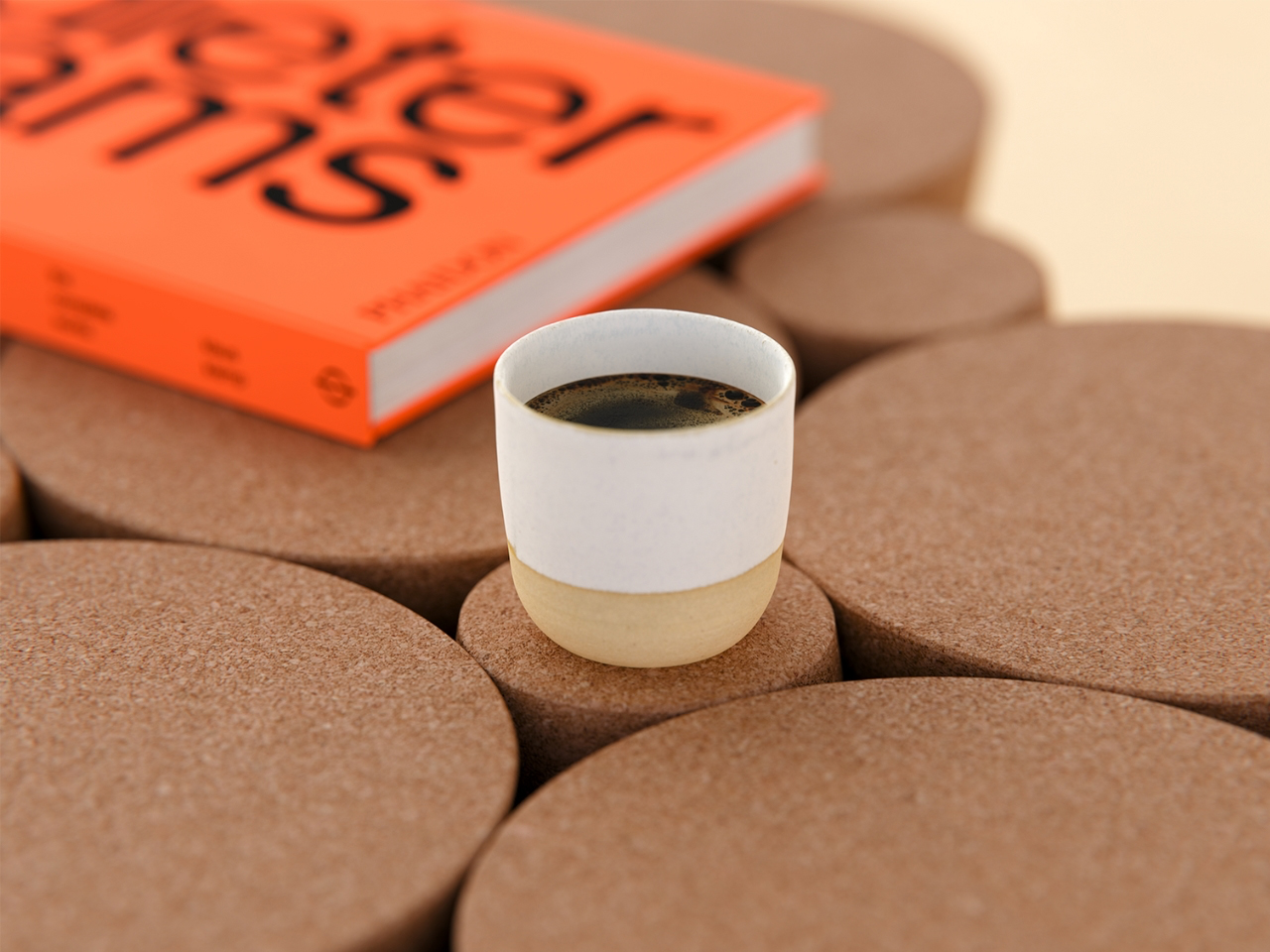
Crafted with beautifully tactile cork, each cone is perfectly sized for stability, comfort, and everyday ease, while offering natural resistance to heat and scratches. Precision-crafted and thoughtfully arranged, every detail reflects care, craftsmanship, and clever innovation. More than just a coffee table, it becomes a bold centerpiece that sparks delight, conversation, and admiration. The Polka Coffee Table brings together practicality, creativity, and charm, making everyday living smoother, brighter, and far more enjoyable.
3. Sustainable Architecture and Interior Applications
The architectural industry has also embraced cork for its insulation properties and environmental advantages. Cork can be used in wall panels, flooring, ceilings, and exterior cladding, helping improve energy efficiency while reducing a building’s environmental footprint. Its thermal and acoustic insulation capabilities contribute to more comfortable indoor environments.
Architects are integrating cork into renovation and construction projects that prioritize sustainability. The material’s natural appearance allows it to serve functional and decorative purposes. By replacing conventional materials with cork, designers can create buildings that are visually distinctive while supporting long-term environmental goals.
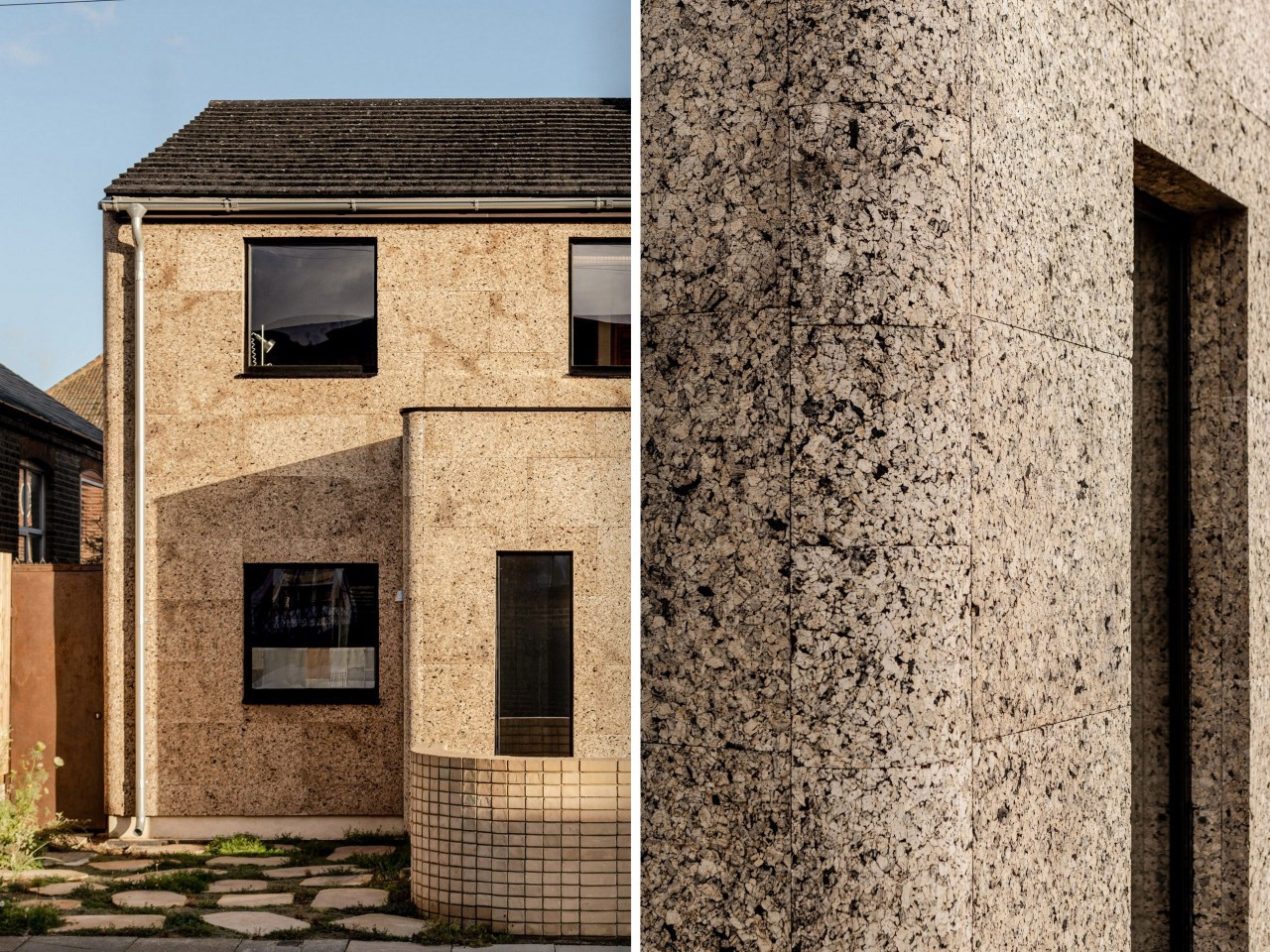
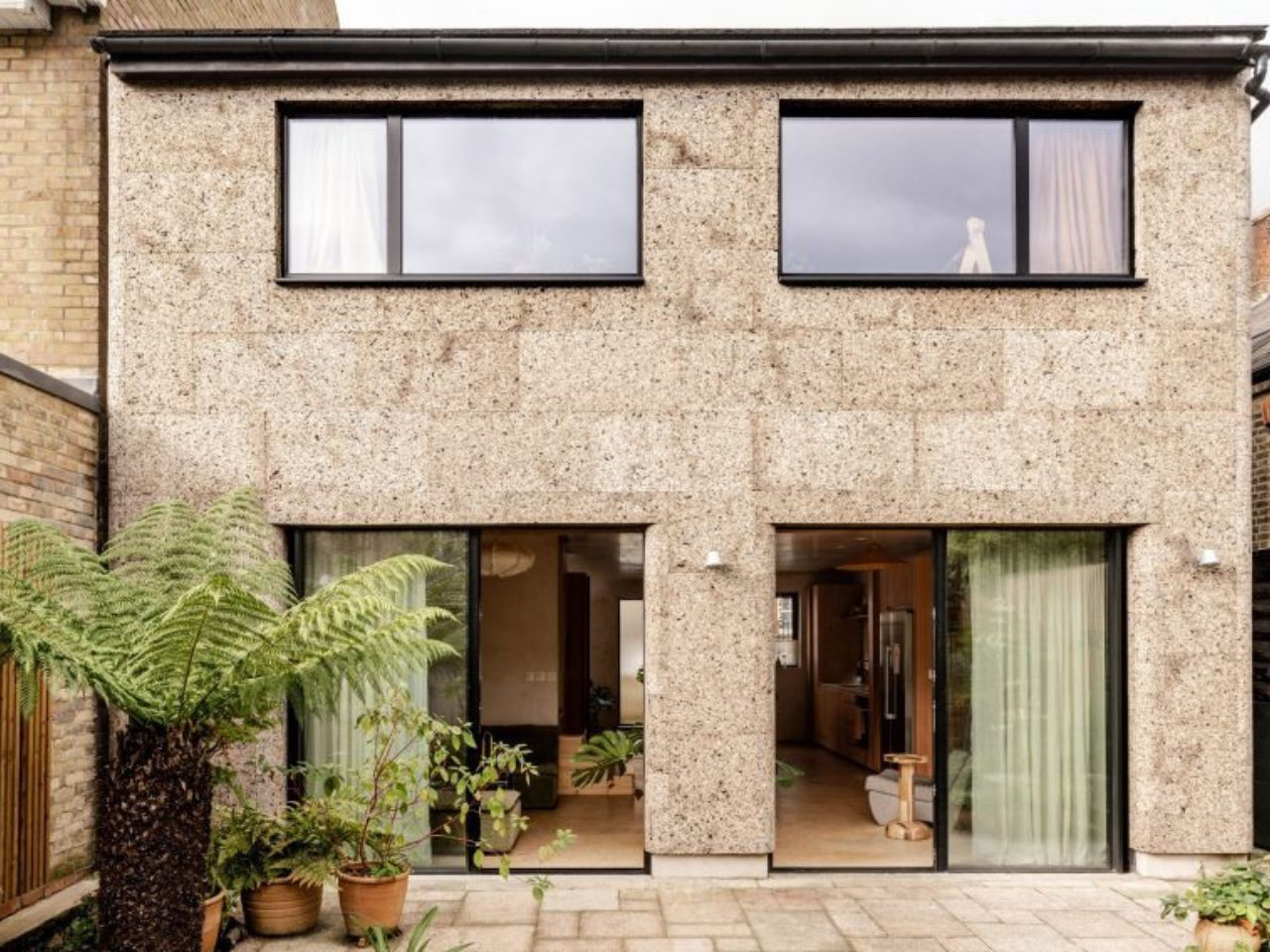
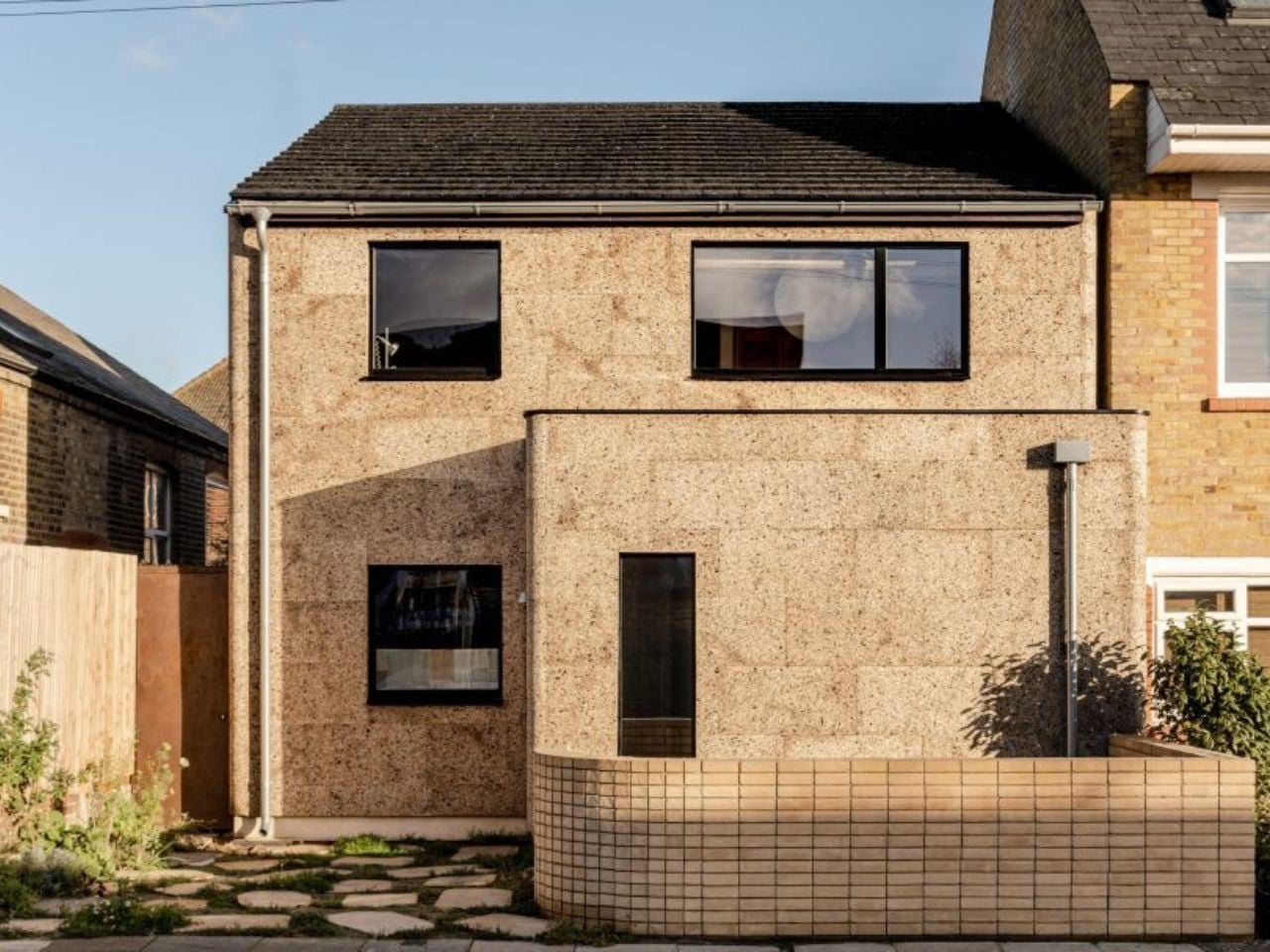
Nina’s House by Nina+Co and ROAR Architects is a bold and uplifting transformation of a 1970s clergy house into a vibrant, future-ready family home wrapped in rich, tactile cork. The exterior is fully clad in expanded cork panels, giving the building a warm, expressive, and inviting character. What was once a plain facade now feels alive and engaging, turning the home into a standout neighborhood landmark that reflects comfort, curiosity, and forward-thinking ecological design.
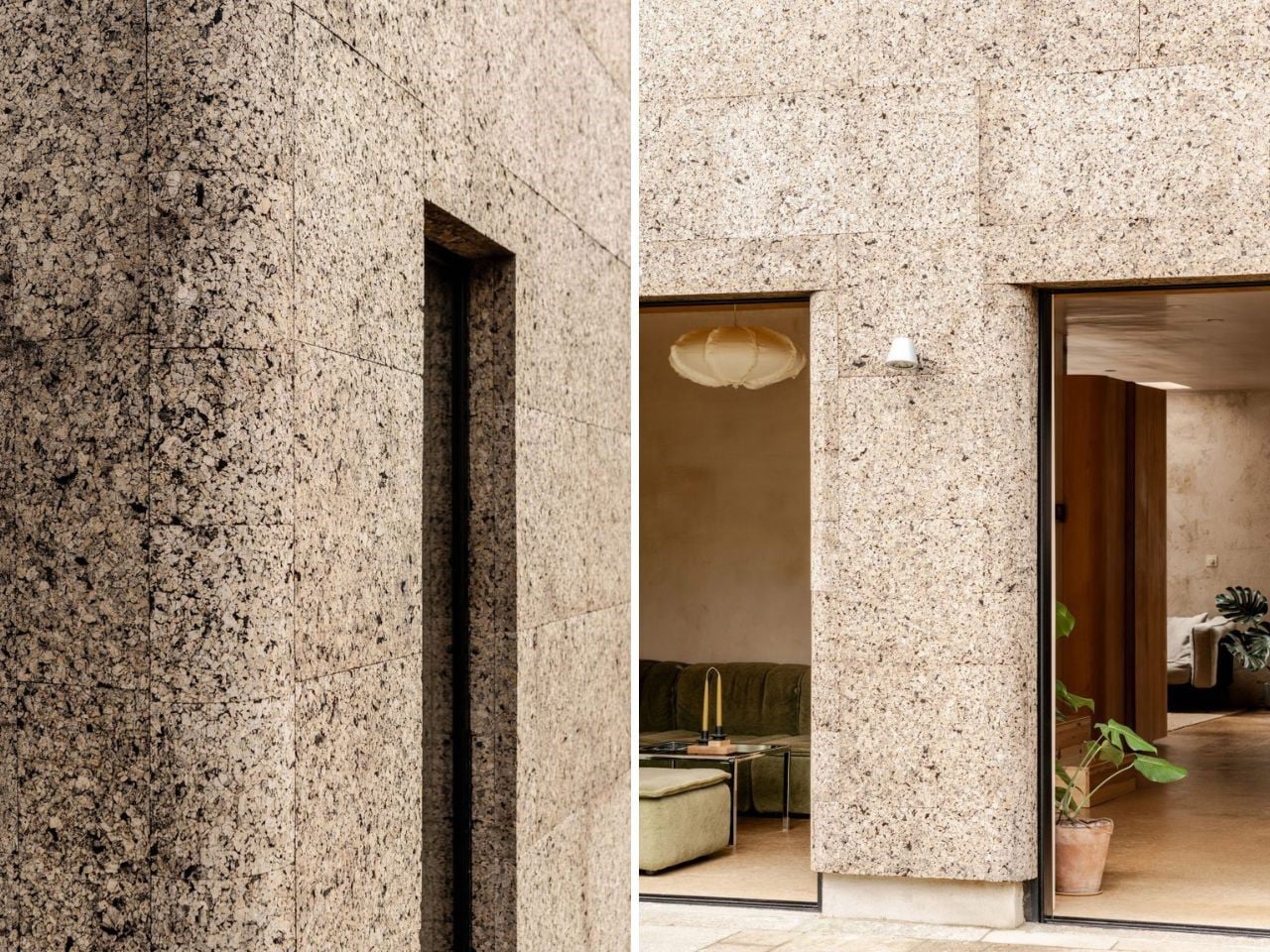
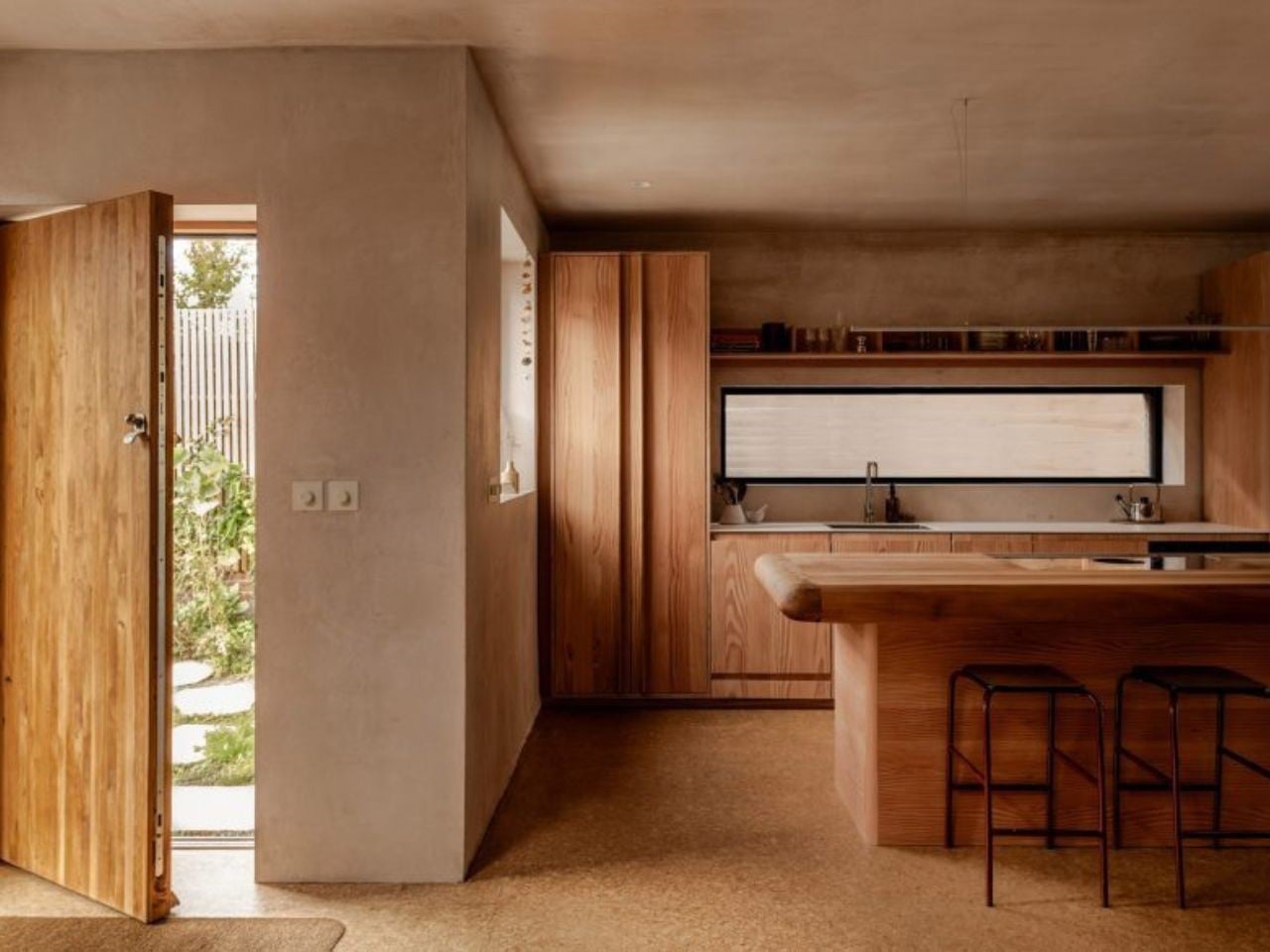
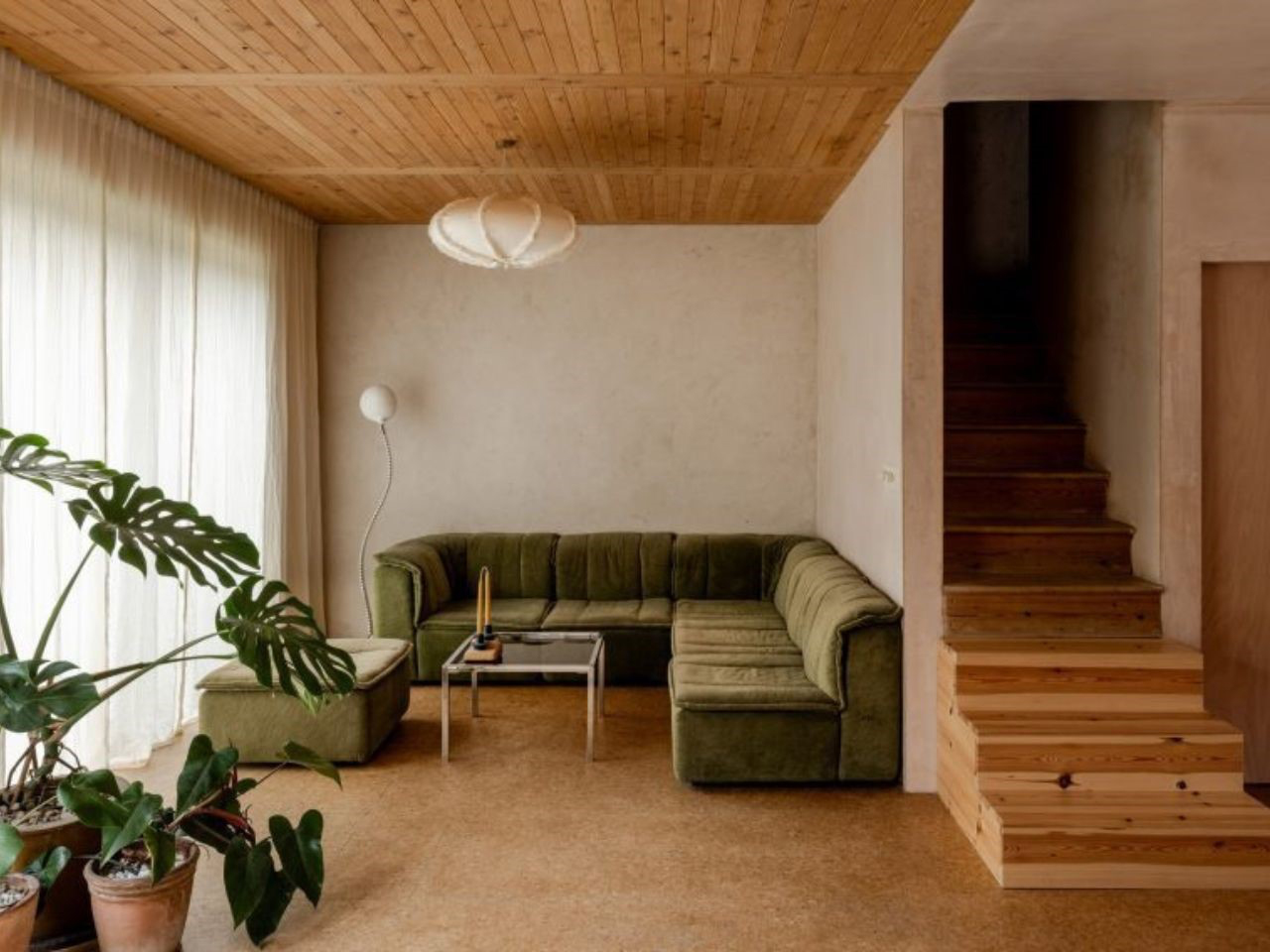
Inside and out, cork takes center stage, delivering outstanding insulation, energy efficiency, and acoustic calm while adding natural beauty and texture throughout the space. Its soft, earthy presence brings warmth to every surface, from the breathable exterior skin to interior flooring and lime-based cork plasters.
4. Innovative Product Concepts Using Cork
Cork’s adaptability extends beyond furniture and architecture into a wide range of product innovations. Designers have experimented with cork in shoes, coffee tables, storage solutions, home accessories, and modular systems that can transform to meet changing user needs. Its flexibility encourages creative thinking and enables multifunctional designs.
The material also enhances user experience through its tactile qualities and lightweight construction. Products incorporating cork often require fewer resources during production and transportation, further reducing environmental impact. These qualities make cork an attractive choice for designers seeking sustainable alternatives without compromising usability or aesthetics.
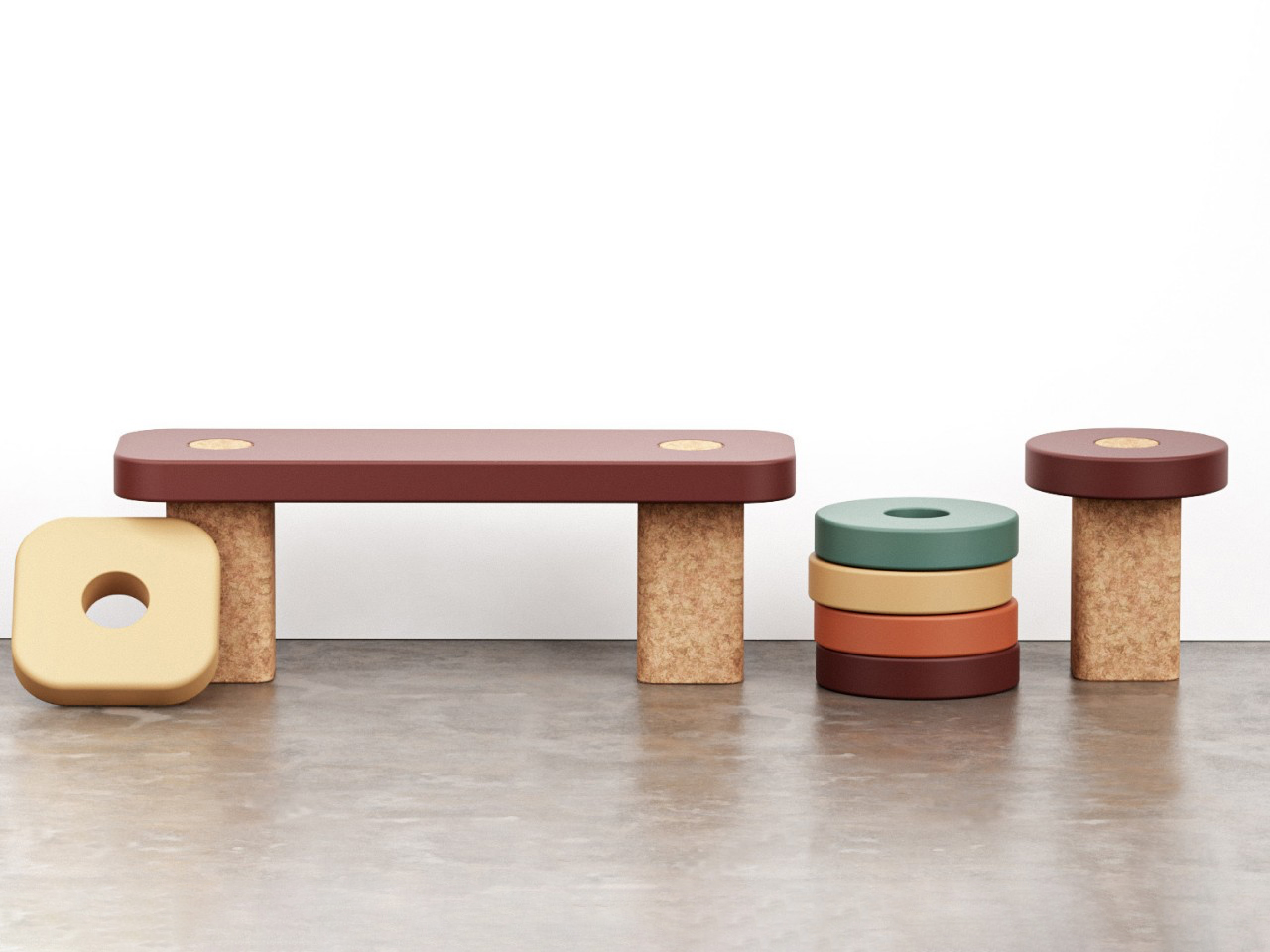
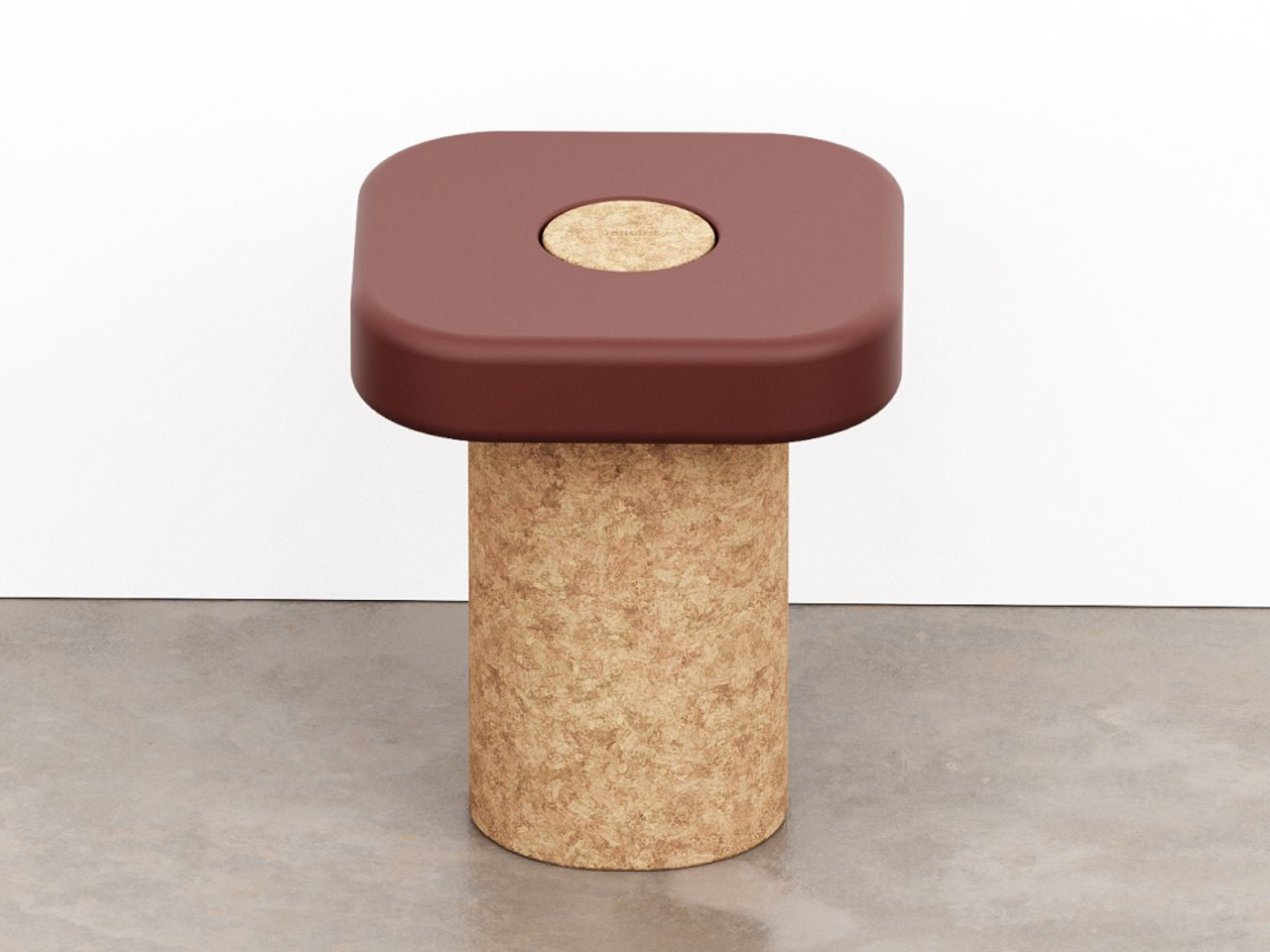
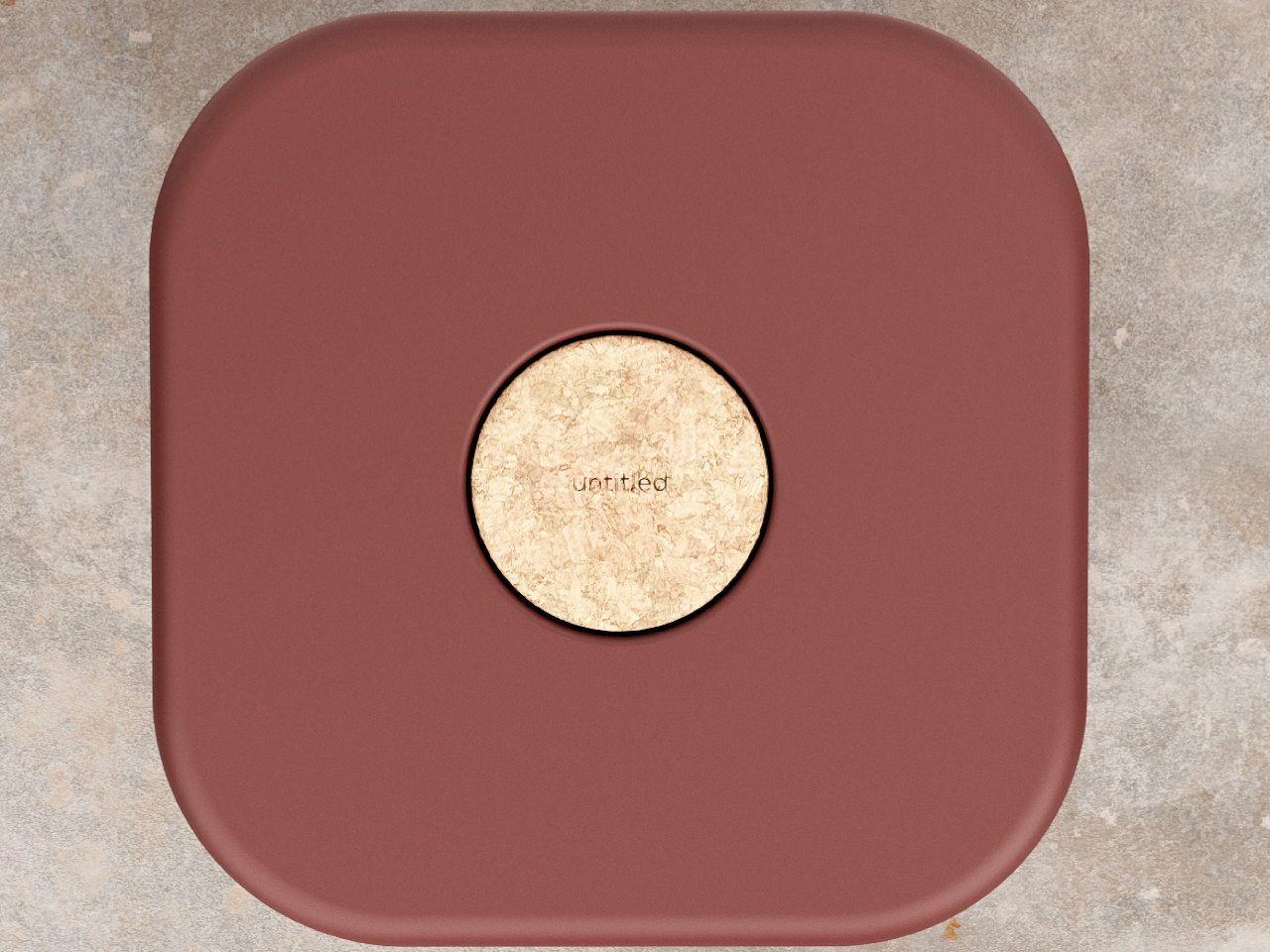
Sitting plays a central role in everyday life, and this minimalist stool concept by Erika Avery and Stu Cole responds with a flexible, high-performance approach to changing spatial needs. Instead of fixed seating that often leads to waste when requirements shift, the design allows two stools to transform into a bench or function independently as single seats. This adaptability reduces unnecessary replacement while keeping the system practical for homes, public spaces, and dynamic environments.
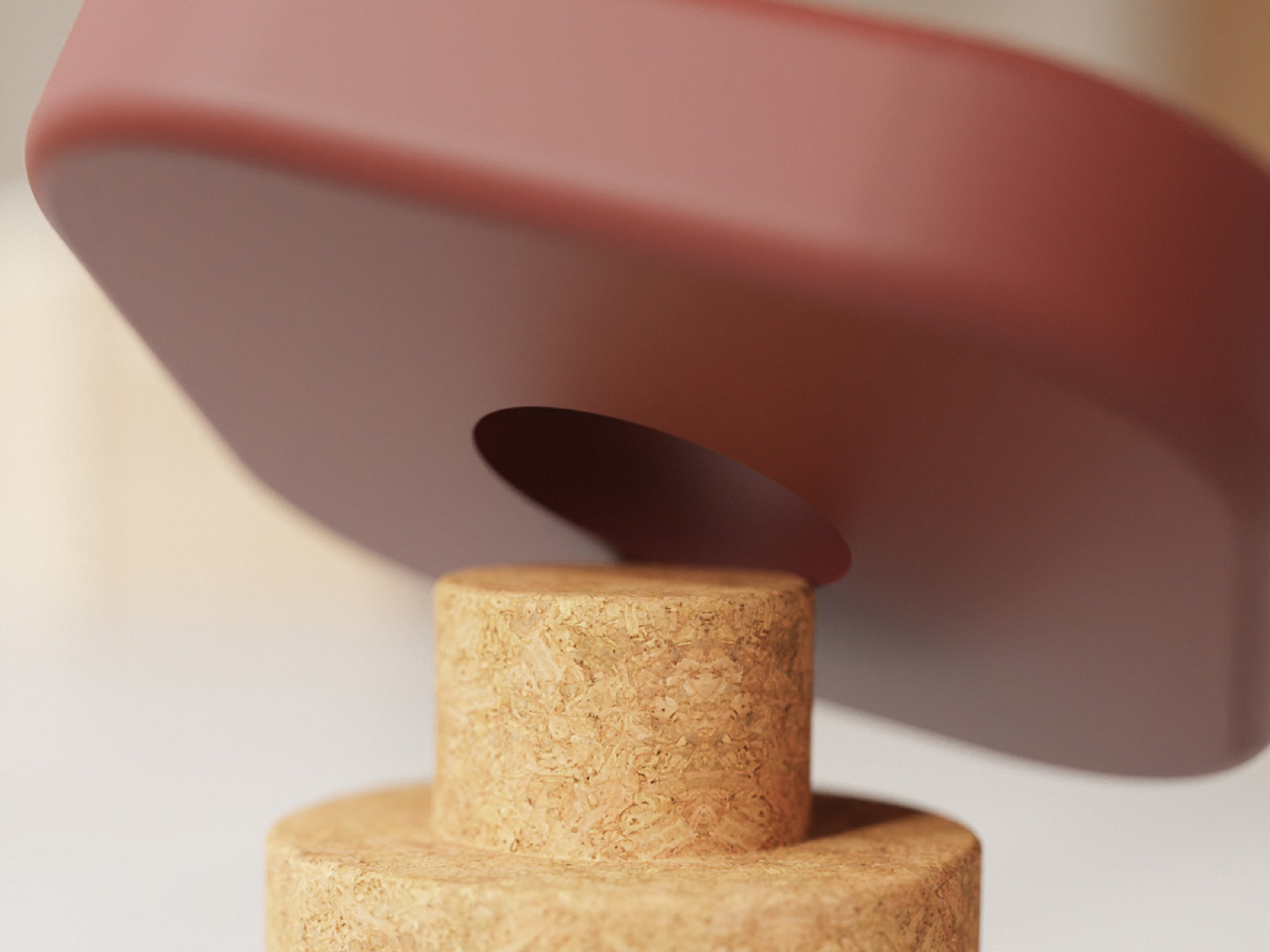
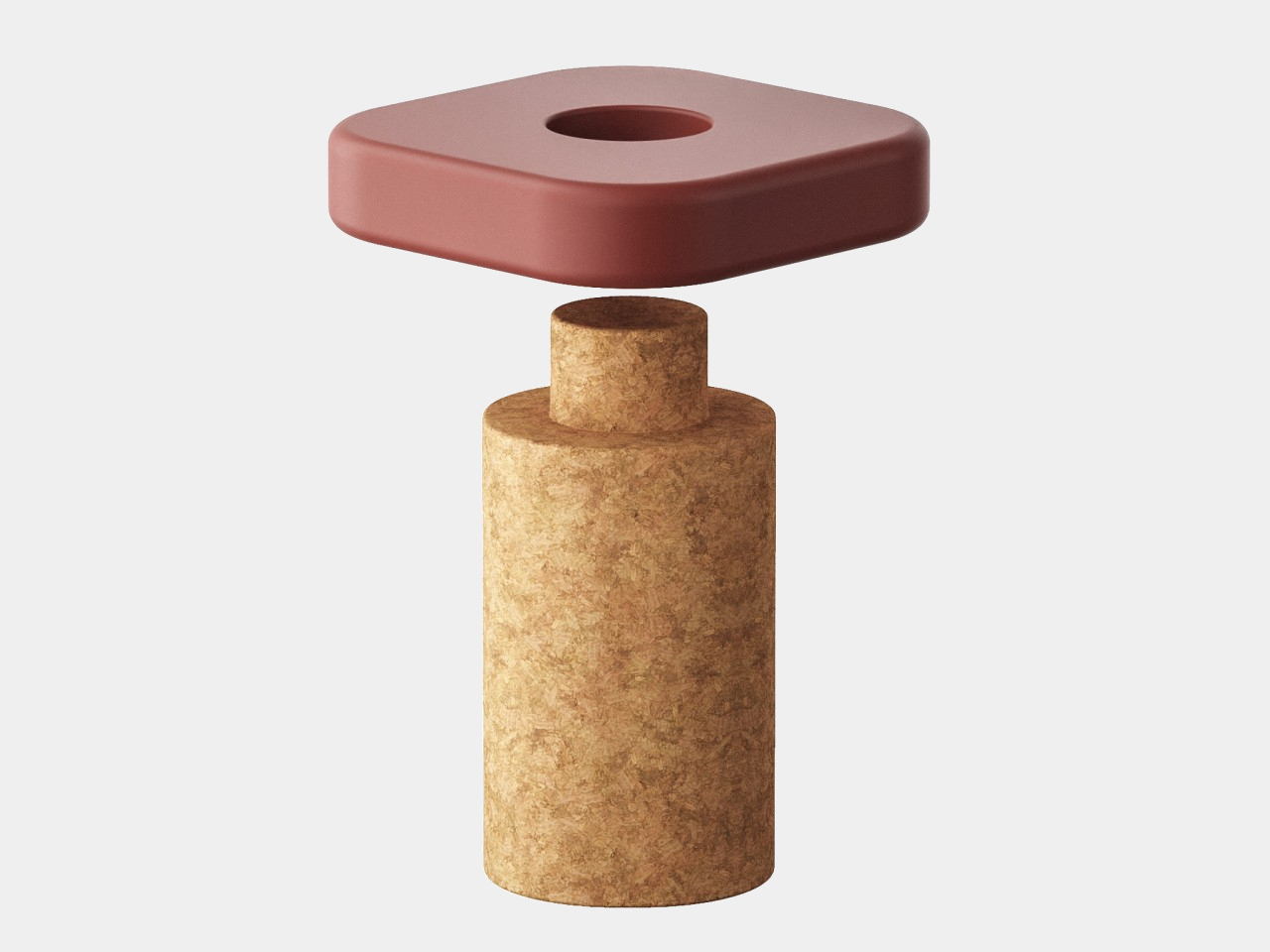
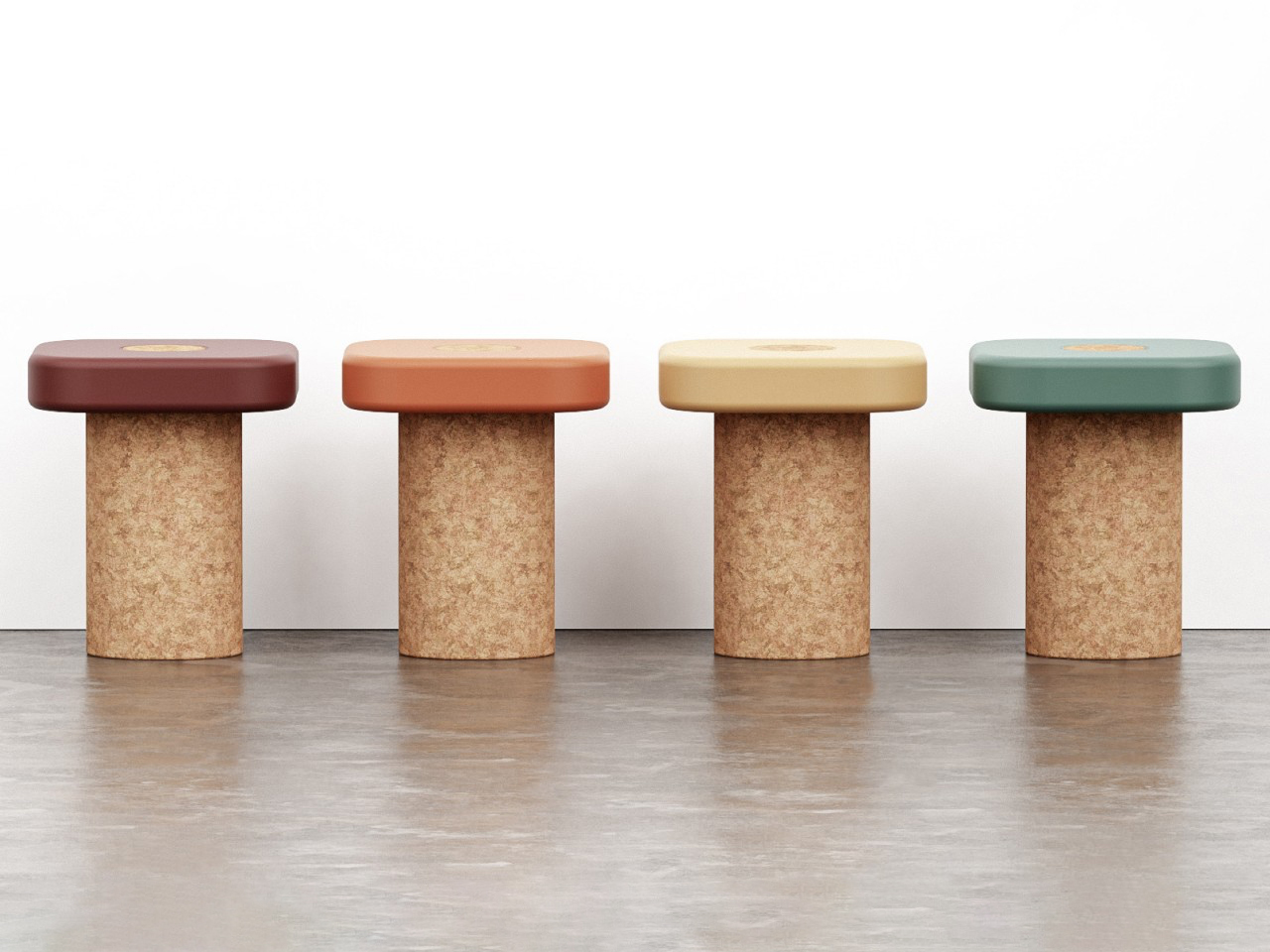
At the core of the design is a strong cylindrical cork base, chosen for its sustainability, stability, and natural appeal. A simple connector system allows removable seat tops to lock in without screws or complex mechanisms, making assembly and maintenance effortless. The seat itself can vary in shape and material, from compact circular forms to elongated panels that create bench configurations. This modular intelligence results in a versatile, efficient, and environmentally conscious seating system that prioritizes longevity, flexibility, and reduced material waste.
Cork’s Growing Role in Sustainable Consumer Goods
Cork offers a renewable alternative to traditional materials while providing comfort, durability, and visual appeal. As consumers become more environmentally conscious, demand for responsibly sourced materials continues to grow. Cork’s renewable nature, combined with its versatility across industries, positions it as a key material for future sustainable innovation. Its expanding use highlights how natural resources can support both modern design and environmental stewardship.
As designers and manufacturers continue exploring innovative applications, cork is a natural material that can deliver performance and environmental benefits. As a result, industries can move toward a more sustainable future while creating products and spaces that are functional, attractive, and environmentally responsible.
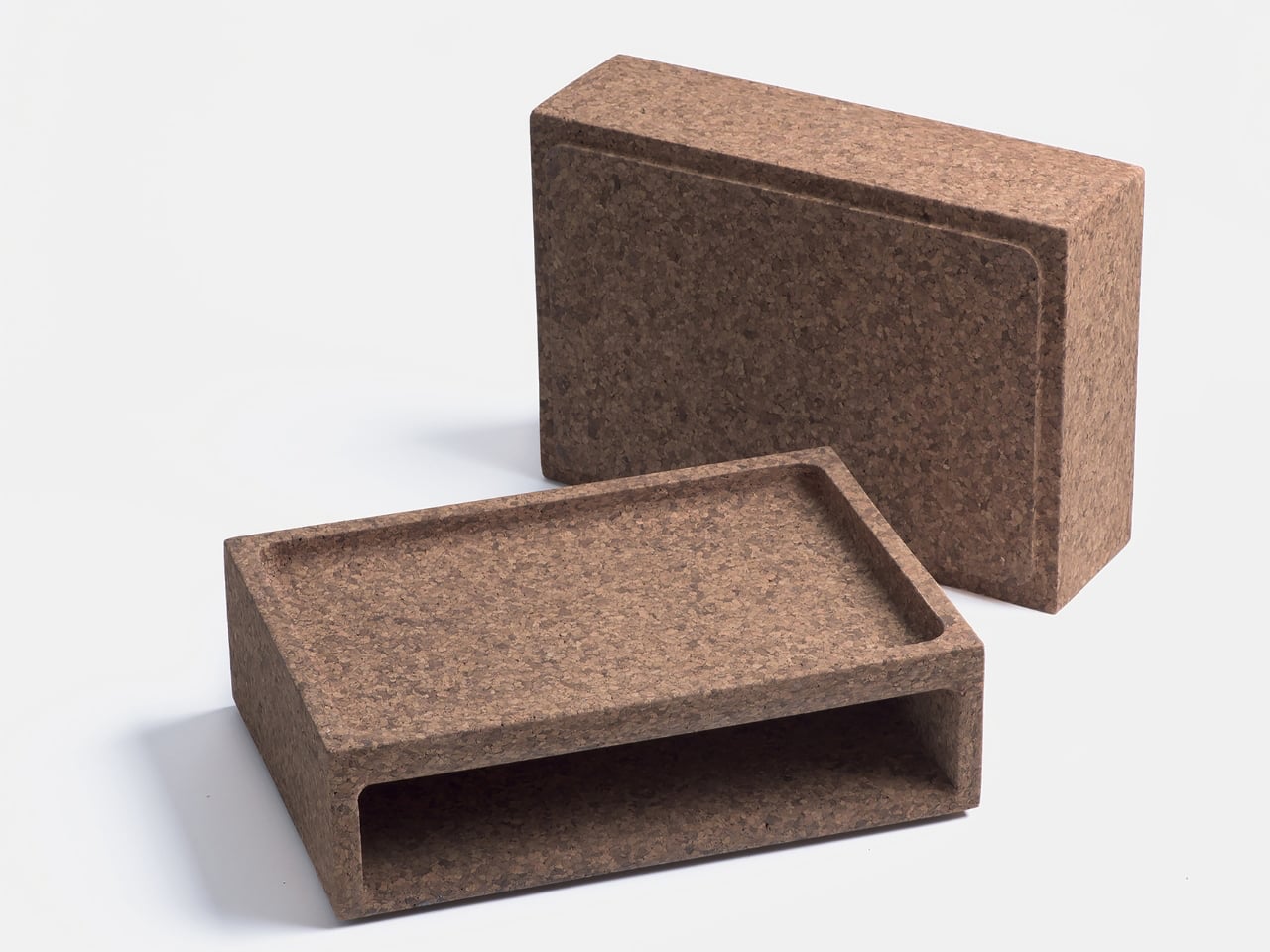
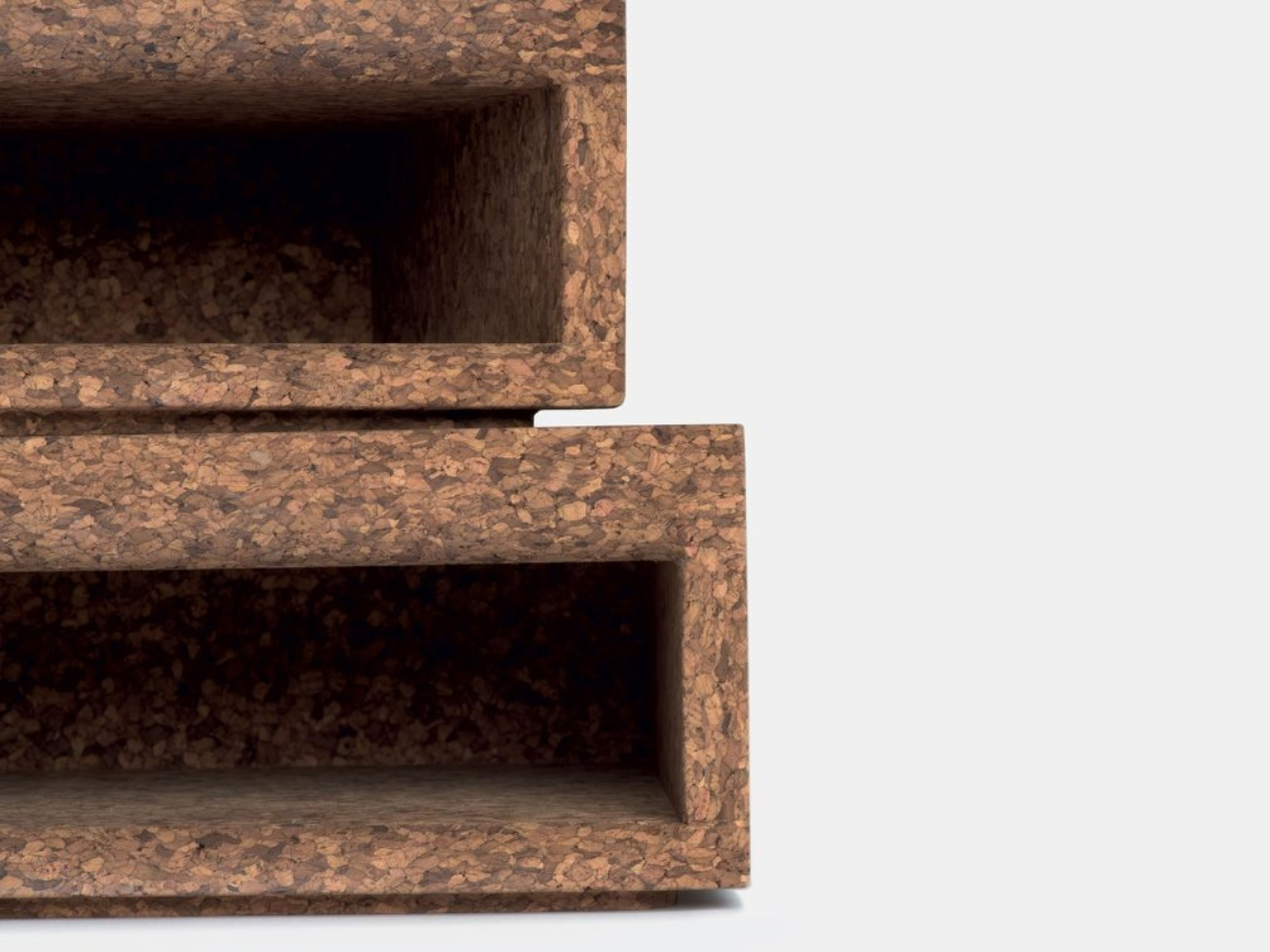
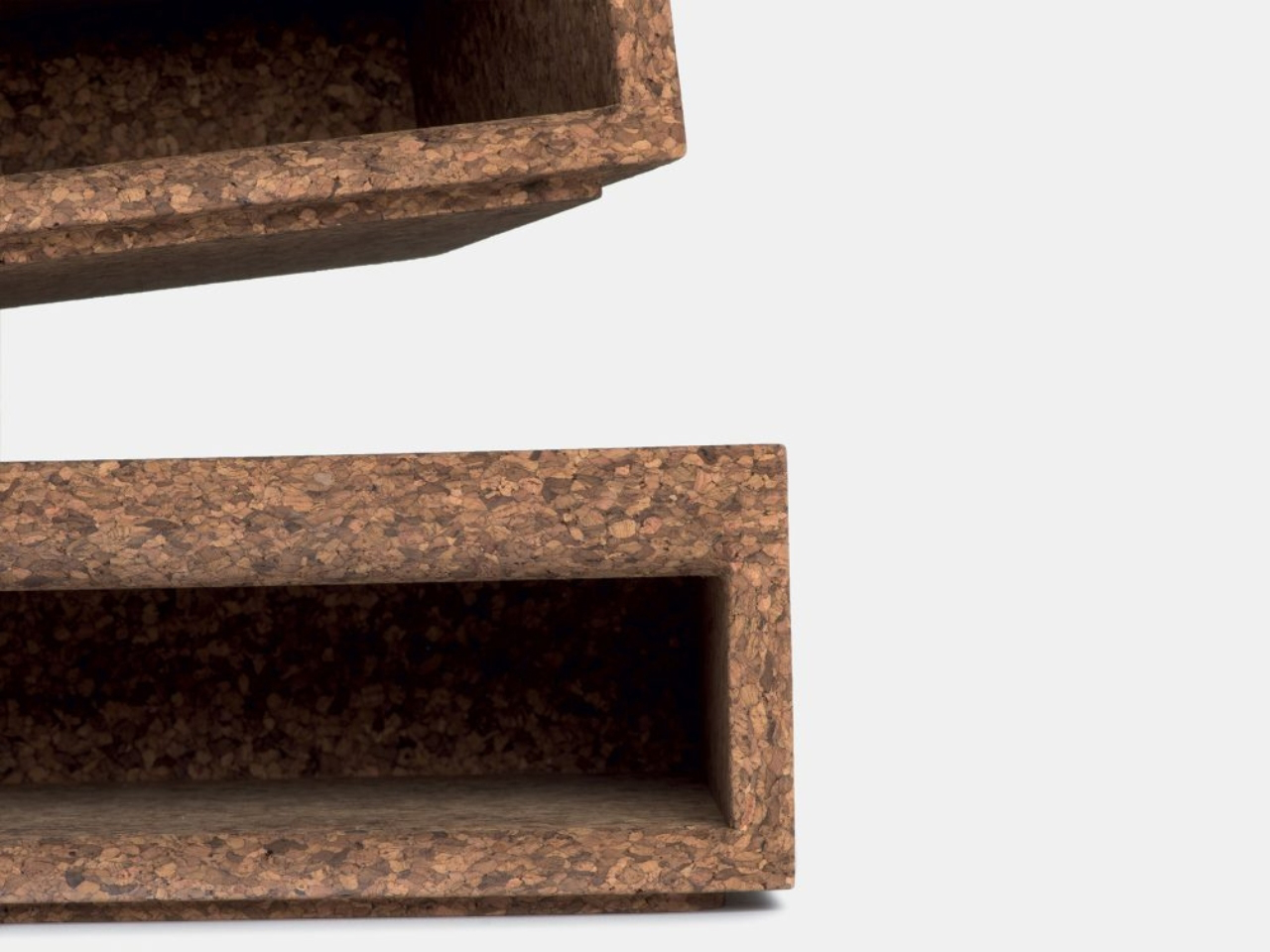
The Cork Box by Ana Relvao and Gerhardt Kellermann of Relvaokkellermann is a beautifully refined storage solution that blends modern design with natural sustainability. More than just a container, it introduces a warm, tactile presence to interiors, turning everyday organization into a visually pleasing experience. Its stackable form allows users to build flexible storage systems that adapt easily to changing needs in homes, studios, or workspaces.
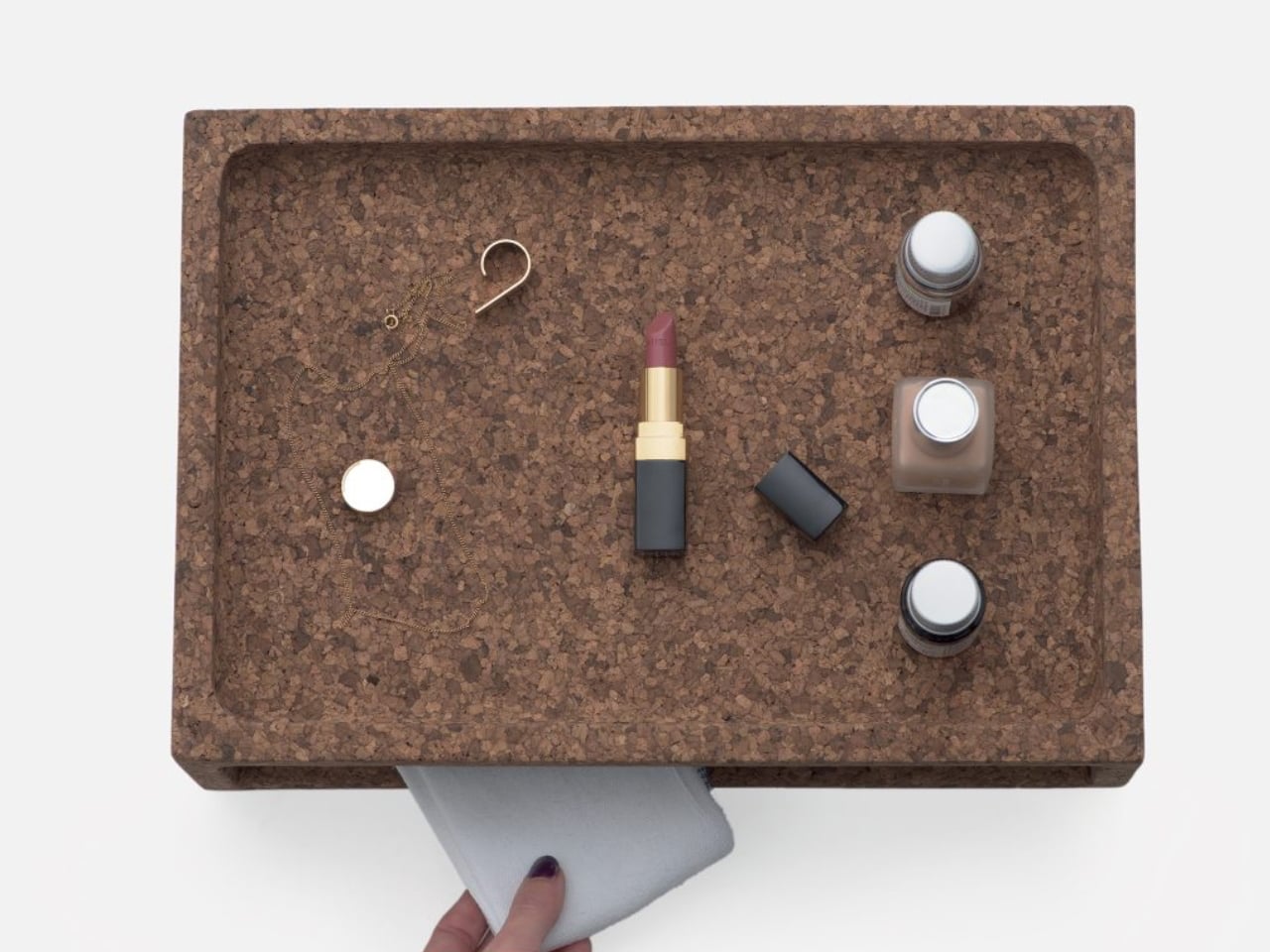
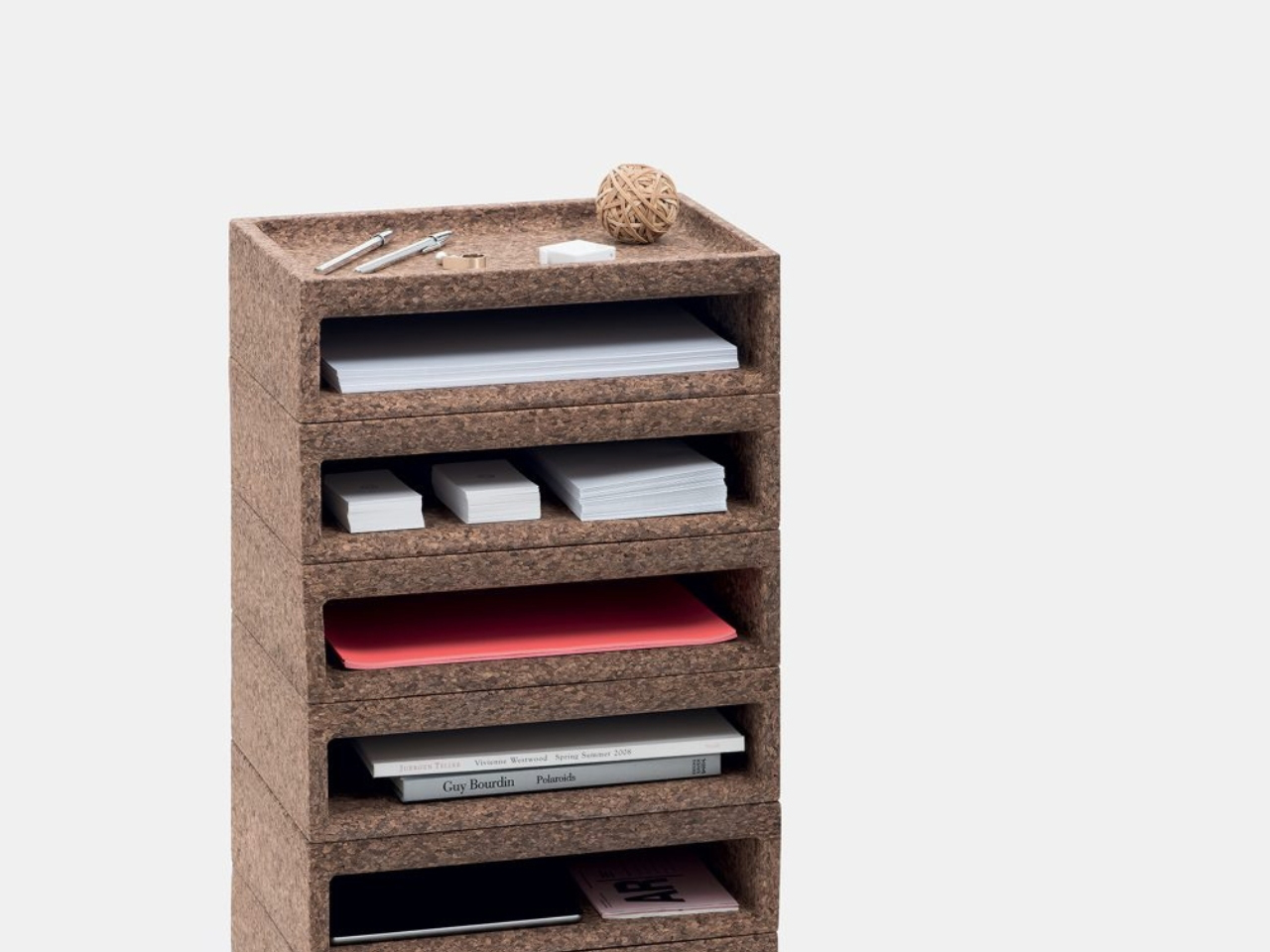
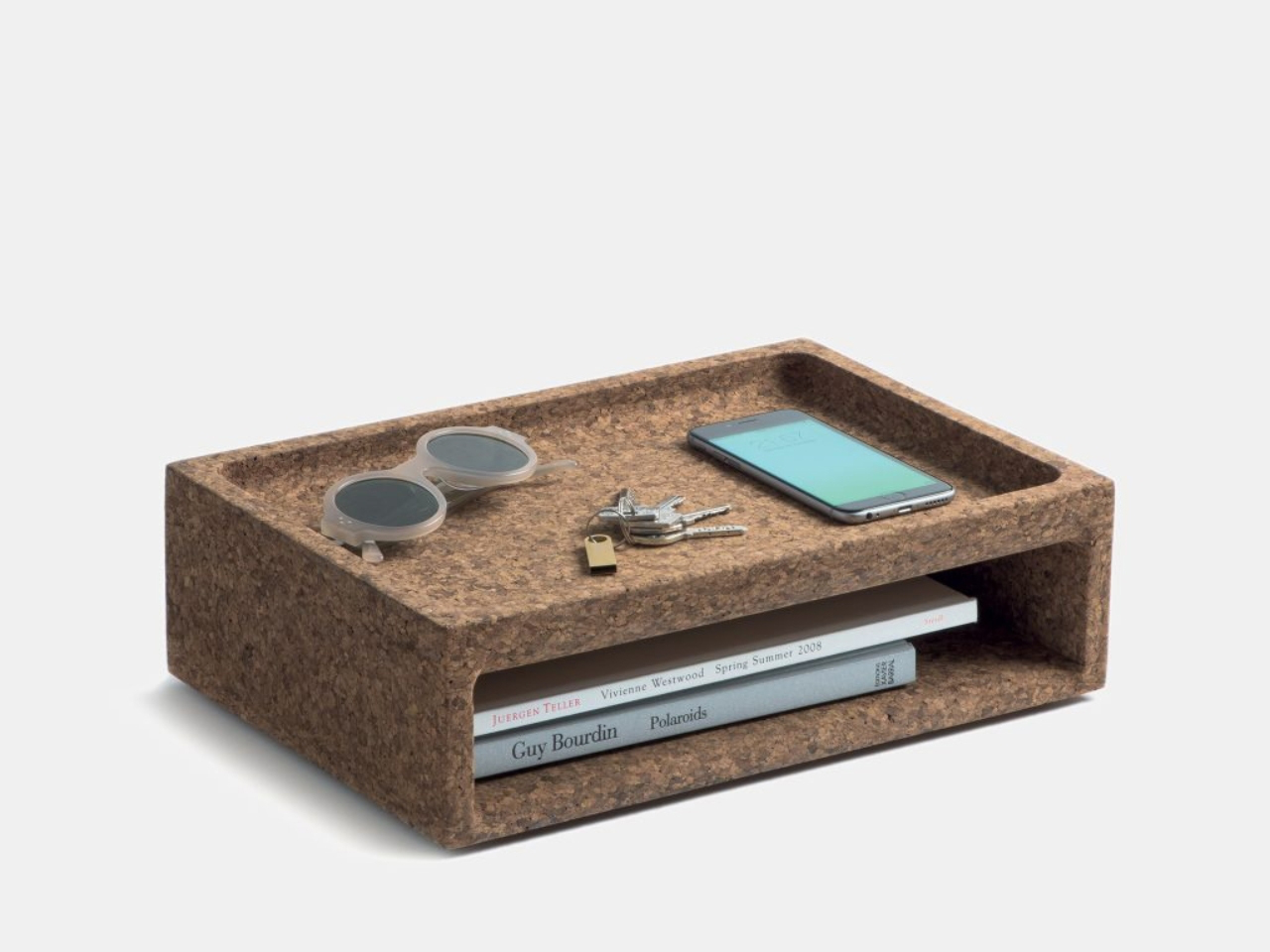
Made from natural toasted cork agglomerate, the Cork Box stands out for its eco-friendly construction, created through a heat-activated process that binds cork granules without chemicals or adhesives. This lightweight yet durable structure retains cork’s organic texture and softness. Rounded edges and smooth finishes enhance its inviting feel, while its neutral tones integrate effortlessly into a wide range of interior styles. Practical, adaptable, and visually calming, the Cork Box transforms storage into a smart, sustainable, and elegantly designed everyday essential.
Cork enables lightweight, durable, and sustainable solutions across design and architecture. Its natural renewability, versatility, and low environmental impact make it an ideal material for creating efficient, eco-friendly products that combine performance, comfort, and responsible innovation.
The post Why Designers Are Suddenly Using Cork for Everything in 2026 first appeared on Yanko Design.

 点赞
点赞 收藏
收藏 点踩
点踩 分享
分享