The Next Miracle Drug Might Already Be in Your Medicine Cabinet

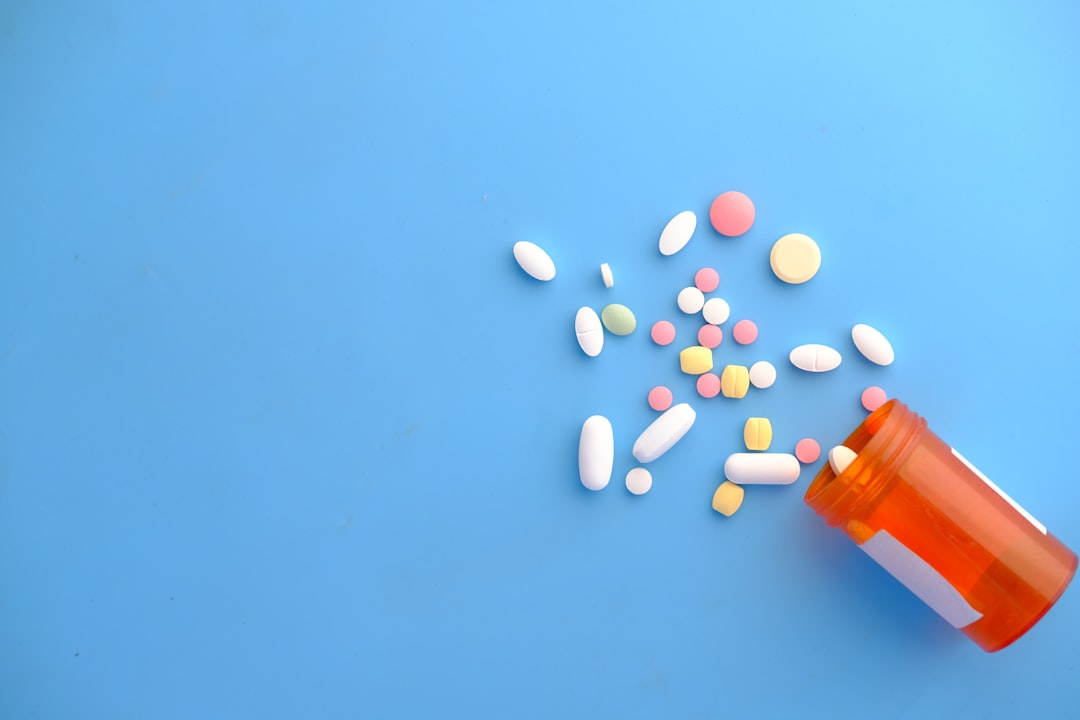
Photo by Towfiqu barbhuiya on Unsplash
In 1991, Pfizer tested a new compound called sildenafil as a treatment for heart disease. The drug failed. But the men in the trial reported a weird side effect: erections. Pfizer got the message. Years later, sildenafil was approved as Viagra. Decades later, a diabetes drug called semaglutide showed another curious side effect: patients lost a ton of weight. When molecule became better known as Ozempic or Wegovy, an entire industry was born.
These stories are told as happy accidents. But they shouldn’t be accidents. Thousands of drugs, both failed and approved, sit in trial data that almost nobody reads twice. AI is perfectly suited to reading it a second, third, and billionth time by scanning the trial results for signals that human scientists missed and flagging old compounds that might treat diseases nobody thought to test them against.
Artificial intelligence advocates love to promise that AI will one day cure every disease through sheer genius. But intelligence is not the only bottleneck to medical progress. Curing diseases in our lifetime will require ingenious policy that puts AI to work in the right way. In today’s guest article, Deena Mousa, a program officer at Coefficient Giving, who writes the newsletter Under Development, outlines how government policy could marshal AI for the discovery and development life-saving drugs—including by forcing pharmaceutical companies to quickly make public all clinical trial results, including failed ones, so that we get more discoveries like Viagra and GLP-1s.
Medicine is at the center of almost every optimistic and even utopian vision of how AI could change the world.
Dario Amodei, the CEO of Anthropic, has argued that AI could compress a hundred years of medical progress into a decade, ending most infectious diseases, eliminating most cancers, preventing Alzheimer’s, and doubling the human lifespan. Demis Hassabis, who runs Google DeepMind, told CBS’s 60 Minutes that t…

 点赞
点赞 收藏
收藏 点踩
点踩 分享
分享