How ‘Wild Weasel’ missions became essential in the fight with Iran



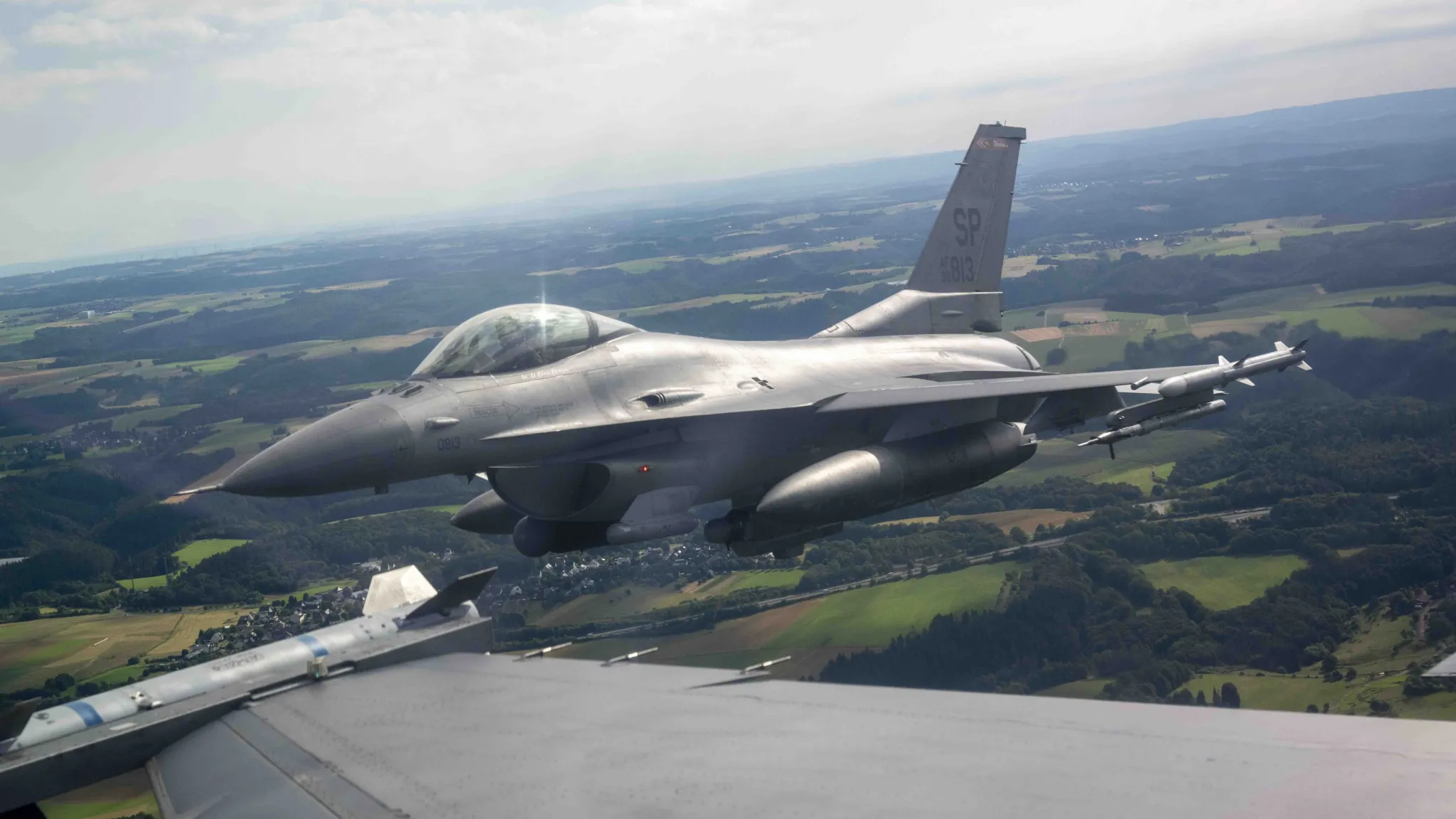
As fighting with Iran restarted in early July, the U.S. Air Force sent more fighter jets to the Middle East. The F-16s and F-35s based in Germany and the United Kingdom carry out multiple missions, but are also capable of suppressing enemy air defense operations.
Those missions, also known as SEAD or “Wild Weasel” missions, have become central to U.S. operations in the Middle East, as the military has waged extensive air campaigns over enemy territory in recent years.
Air & Space Forces Magazine reported that the warplanes being sent include F-16s from the 480th Fighter Squadron based in Spangdahlem Air Base, Germany and F-35s from the 48th Fighter Wing based out of RAF Lakenheath in the United Kingdom. For the ones from Spangdahlem, those include F-16s specializing in SEAD missions. Some of these aircraft had returned to Europe last month, as several fighter jets left the Middle East as fighting with Iran had paused.
Iran’s air defenses have been a major threat to American and Israeli aircraft. In the first week of the war, multiple Israeli drones were taken out. In March, an American F-35 was damaged and eventually forced to make an emergency landing. Alongside larger systems, small ground fire has also been a risk. One of the biggest incidents was on April 3, when a shoulder-fired missile took out an F-15E, prompting an extended combat search and rescue operation to recover the two crewmembers. An A-10 Thunderbolt II was also shot down during that operation.
SEAD missions are meant to reduce that risk. During the initial days of the war, the U.S. first gained local air superiority and then complete air superiority, according to retired Air Force Gen. Phil Breedlove. Breedlove, who led U.S. European Command and served as the Supreme Allied Commander Europe of NATO Allied Command Operations from 2013 to 2016, told Task & Purpose that the Air Force has units whose primary mission is the suppression of enemy air defenses, and that the United States is “probably…

 点赞
点赞 收藏
收藏 点踩
点踩 分享
分享