What Is Moonshot AI’s Kimi K3 Model and Why Is It Making Waves?

What Is Moonshot AI’s Kimi K3 Model and Why Is It Making Waves? 图片 1

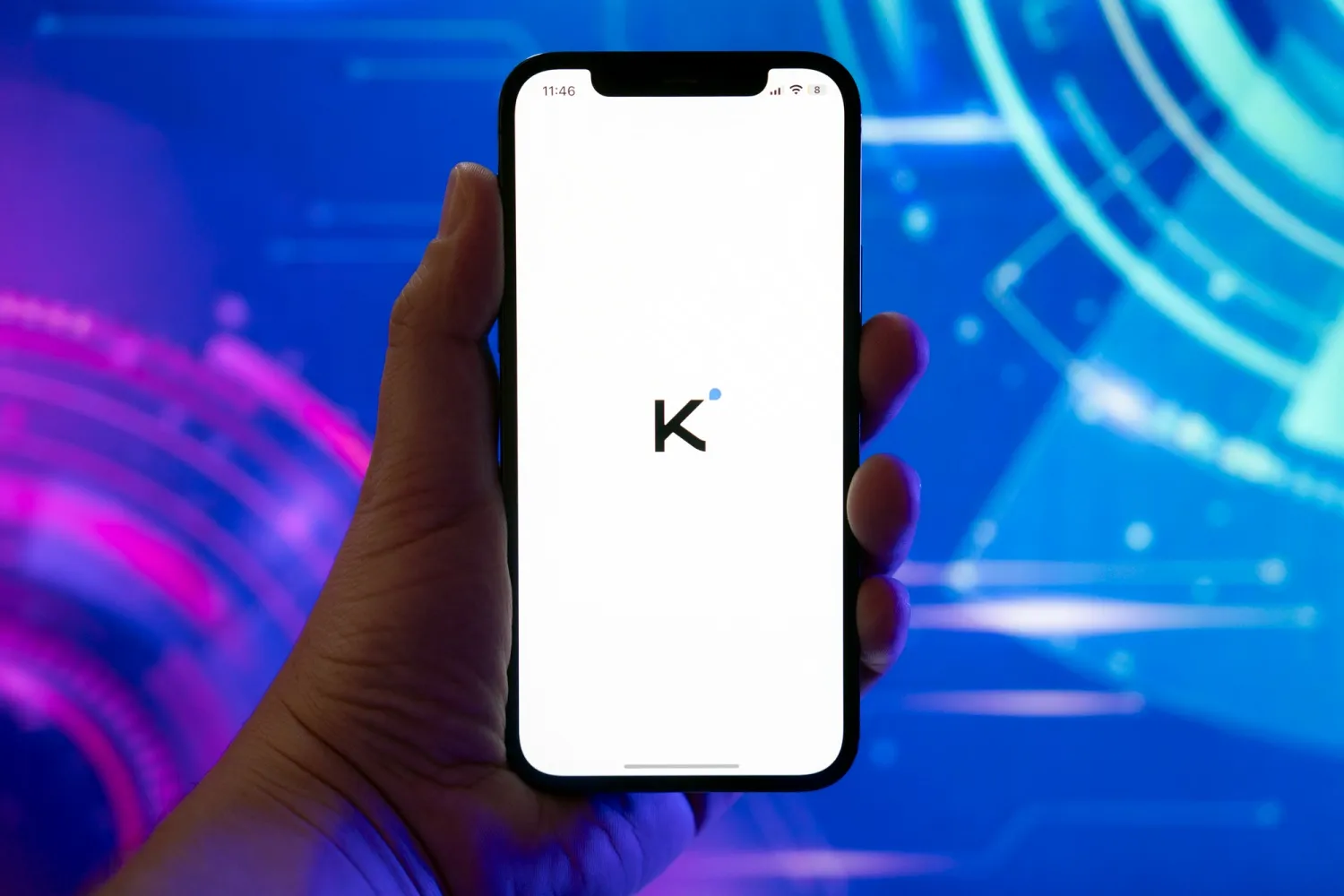
Moonshot AI’s Kimi chatbot logo arranged on a smartphone.

Chinese startup Moonshot AI’s new artificial-intelligence model has drawn global attention since its release for its powerful capabilities. Now, Moonshot has made the technology available for public download, a step expected to expand the company’s influence at a time when there is growing US concern about China’s rapid strides in AI development.

Here’s what to know about Moonshot’s Kimi K3 model and how its public availability could change the industry.

What is Moonshot?

Moonshot was founded in early 2023 by Yang Zhilin, a former Tsinghua University professor who previously worked at Meta Platforms Inc. and Alphabet Inc.’s Google. Before the breakout of DeepSeek, he was the poster boy of Chinese AI. An alumnus of Carnegie Mellon University, Yang has written more than a dozen widely cited research papers on natural language processing. When he set out to launch his own company to challenge OpenAI, venture capitalists rushed to back him. Moonshot AI’s valuation soon reached $20 billion as Kimi became China’s most popular ChatGPT alternative.

Why is the Kimi K3 model getting so much attention?

The Beijing-based company’s Kimi K3 AI model delivers performance on industry benchmarks that rivals top-tier offerings from OpenAI and Anthropic PBC, a surprising breakthrough for a firm that has operated in the shadow of local competitor DeepSeek.

Moonshot’s initial announcement in mid-July about Kimi K3 sent AI and semiconductor stocks tumbling on investor concerns that the rise of China’s AI businesses could force US leaders such as Anthropic to pull back on their investments. That could undercut demand at industry powerhouses Nvidia Corp., SK Hynix Inc. and Samsung Electronics Co.

In late July, the company released the model’s weights, essentially the parameters used to steer AI systems toward answers. That will enable developers to download, tweak and host the technology freely, which in turn should broaden Moonshot AI’s user base. Zhilin has said he wants to win users by focusing on openness and greater availability than competing US proprietary systems.

What else is Yang Zhilin known for?

Moonshot’s founder isn’t just an academic. The 33-year-old is a huge music fan who has infused his company with the names of his favorite bands. Conference rooms at headquarters sport names including Radiohead, Led Zeppelin, Queen and Nirvana. Kimi’s subscription plans are named after the tempo guidelines of classical music: Adagio, Andante and Moderato. The startup was originally called the Dark Side of the Moon in Chinese, after Yang’s favorite Pink Floyd album.

What is Moonshot’s business model?

Moonshot is looking to raise as much as $2 billion in new funding at a valuation of $30 billion, Bloomberg reported in June, putting it among the leaders in China’s AI market. The Kimi developer is in the process of dismantling its offshore structure to pave the way for an initial public offering in Hong Kong, after Beijing tightened its grip on overseas listings.

The company’s annual recurring revenue — a gauge of its forward-looking sales — topped $200 million in April, driven by surging demand for its chatbot and large language models. The company sells tiered subscription plans for the chatbot and offers its underlying technology to enterprise clients.

What threat does Moonshot pose to US rivals?

Moonshot claims that the latest version of Kimi excels at coding tasks. US firms are spending hundreds of billions of dollars on AI infrastructure to run and improve their models — much of it going to chipmakers. Coding is one of the most lucrative offerings by advanced model companies, driving revenue for Anthropic and OpenAI ahead of their planned IPOs. If Moonshot can provide a viable alternative, that could upend the business case for its competitors.

Chinese models have already priced their services aggressively, undercutting US rivals. The weighted average cost of performing a standardized intelligence task using Kimi 2.6 or DeepSeek’s V4 Flash model ranges from 33 cents to just 2 cents, compared with $2.75 for the same task on Anthropic’s Claude Fable 5, according to benchmarking site Artificial Analysis.

Moonshot’s latest offering is priced at a premium by comparison. Kimi K3’s cost on the same ranking is estimated at 95 cents.

Are Chinese AI companies playing fair?

There’s the possibility that Kimi and others in China have already benefited from Anthropic’s work and investment. Earlier this year, Anthropic accused Moonshot, DeepSeek and MiniMax of training their models based on Claude’s capabilities, in a process known as distillation, with “industrial-scale campaigns” that are “in violation of our terms of service and regional access,” according to a February blog post. Moonshot didn’t respond for a request for comment regarding Anthropic’s accusations. Chinese officials have pushed back strongly at the allegations that Chinese firms stole US intellectual property.

Moonshot has positioned itself as an underdog. “Despite being a highly competitive model overall, K3 nonetheless exhibits a noticeable gap in user experience compared with Claude Fable 5 and GPT 5.6 Sol.”

添加评论
点赞收藏
点踩分享查看原文
评论
?
参与讨论