CXMT Founder Pledges $5.6 Billion to Workers After China AI Chipmaker’s IPO

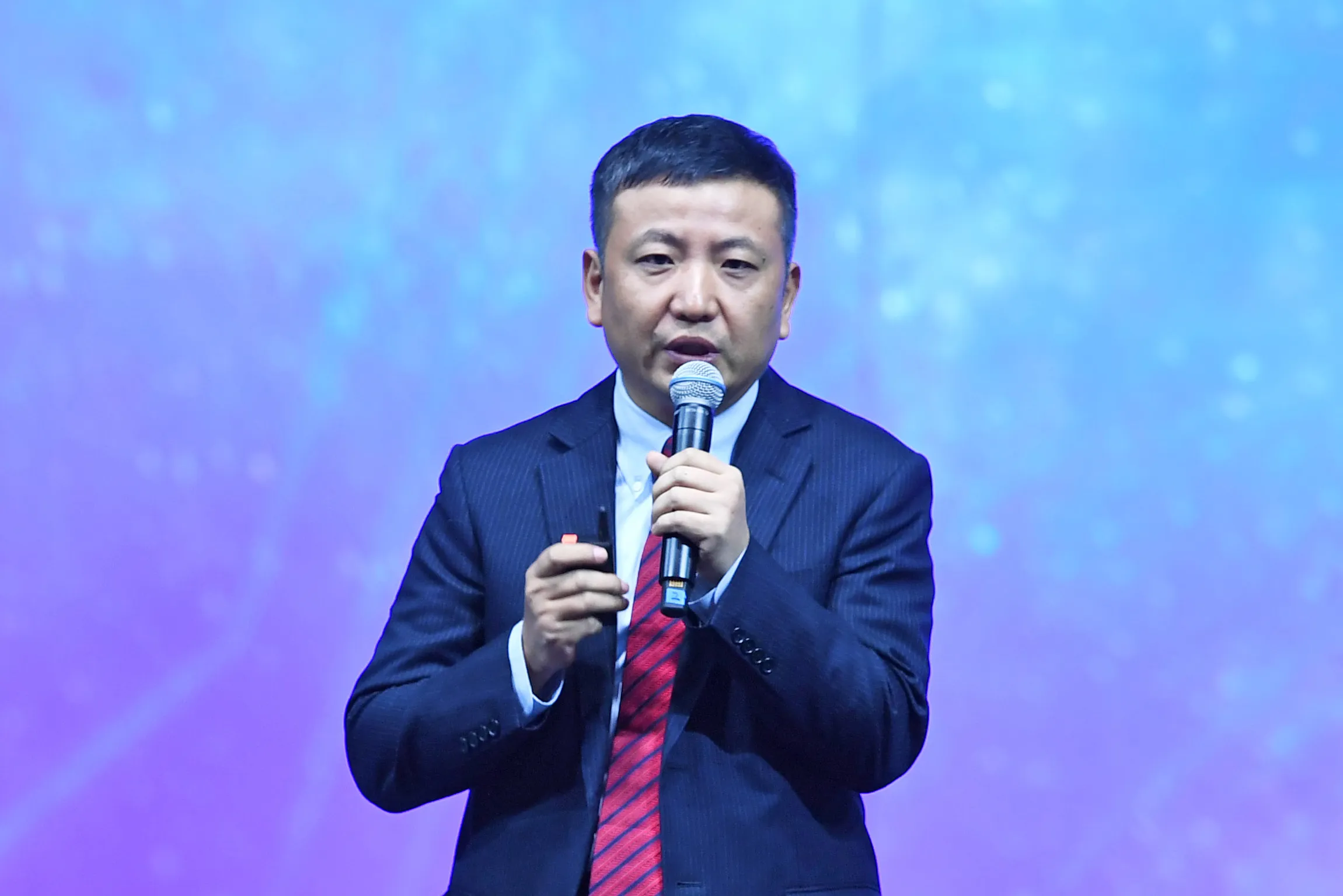
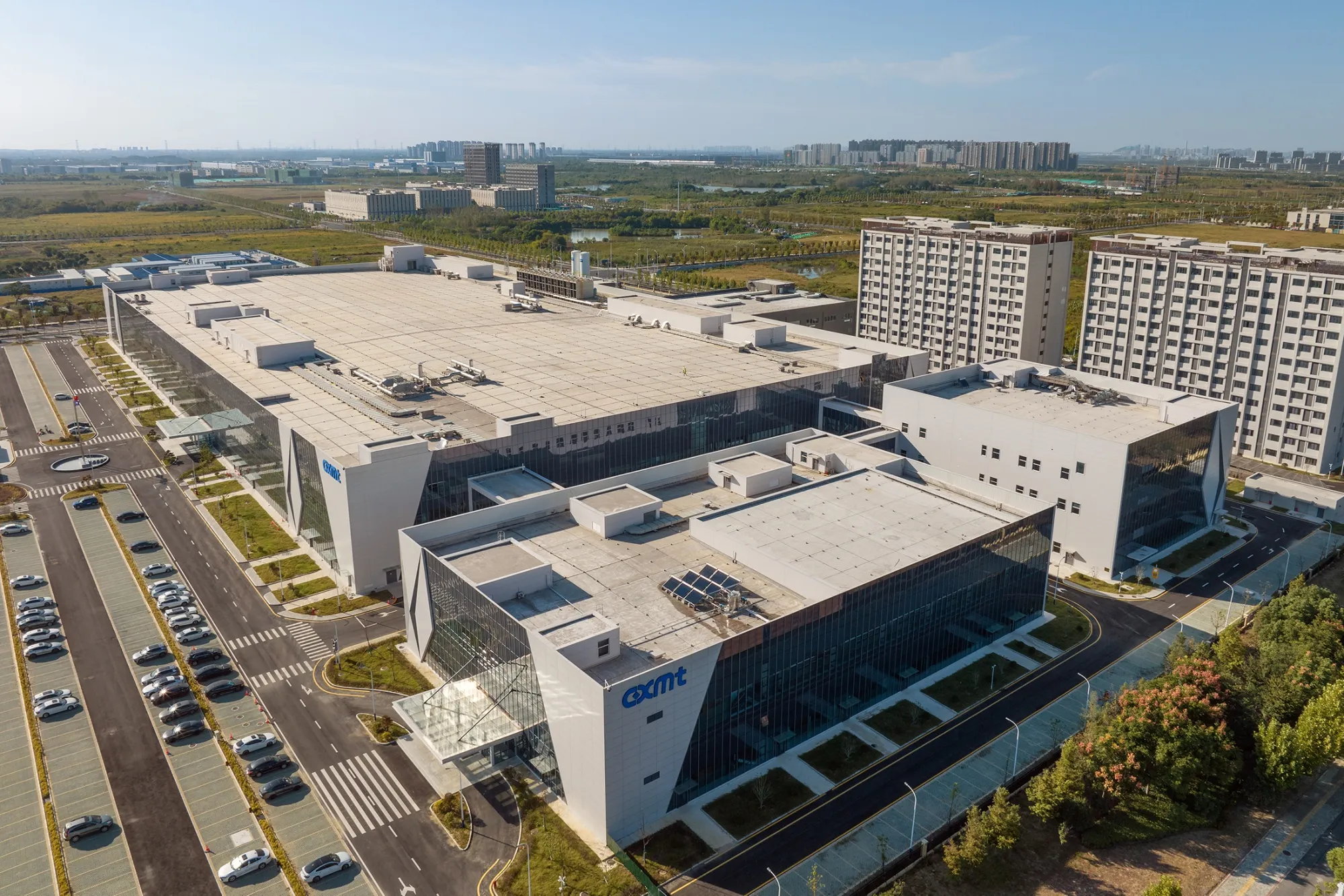
CXMT CEO Zhu Yiming
Zhu Yiming just joined a growing number of billionaires who have amassed great wealth in the race between the US and China for global tech dominance.
His fortune soared nearly 300% to $13.9 billion, according to the Bloomberg Billionaires Index, after his CXMT Corp. debuted in Shanghai Monday. Now, the executive in his mid-50s is preparing to give 40% of that as a bonus to employees to keep them with the company as they build advanced memory chips for Asia’s biggest economy.
The CXMT chairman made his bonus pledge in the firm’s IPO prospectus in May, promising to transfer 767.9 million shares for employee incentive programs. After the 466% gain on the first day of trading, those shares are worth $5.6 billion.
The transfer underscores the shifting dynamic in China’s technology sector as AI wealth balloons. In another pledge to align himself with the company’s goals, Zhu has agreed to restrictions on selling his shares for 10 years. The commitments are unusual in the history of Chinese companies that are listed on the mainland.
Founders must increasingly balance China’s state priorities with an aggressive talent war as global tech firms struggle to retain elite engineers. Rival chipmakers Samsung Electronics Co. and SK Hynix Inc. also offered bonus payouts — in some cases totaling hundreds of thousands of dollars each — to employees as they scale to keep pace with demand.
Still, the CXMT bonus has caveats. It will only start being paid out in three years, and even after that payments will be phased over a decade, according to the prospectus. The company did not specify if some or all employees would benefit. It had 19,298 staff as of the end of 2025, the document shows.
“This is very much a newly emerging phenomenon,” said Meng Shen, director at investment bank Chanson & Co. “Talent retention is definitely a key factor. In today’s high-growth tech sectors, no single founder can drive success alone. it requires a massive influx of top talent.”
Read more: China’s Secretive New Chip Giant Is Built to Dodge US Curbs
CXMT didn’t respond to emailed requests for comment.
Zhu belongs to a group of Chinese billionaires whose wealth is tied to national supply chain security. In 2018, he stepped back from his first successful public venture, GigaDevice Semiconductor Inc., to lead CXMT in a partnership with the city of Hefei’s municipal government. At the time, he pledged not to draw a single yuan in salary until the multibillion-dollar project became profitable.
That bet is paying off. The company is now China’s largest — and the world’s fourth-largest — manufacturer of DRAM chips, the critical memory components that power server databases and AI workloads.
Zhu is not the only tech founder making gestures of wealth redistribution. Yan Junjie, the billionaire behind AI firm MiniMax Group Inc., recently pledged to take zero salary until his firm achieves a hypothetical milestone in artificial intelligence, while simultaneously allocating shares from his own pocket to long-term employees. South Korea’s memory giants are also handing out out massive bonuses.
Zhu’s employee stock transfer also reflects the underlying reality of who owns CXMT. The Hefei municipal government, via local state vehicles, collectively held a more than 30% stake before the IPO, while China’s Big Fund II held over 8%. China’s Big Fund, formally known as the China Integrated Circuit Industry Investment Fund, is a massive state-backed vehicle designed to achieve semiconductor self-sufficiency.
The employee stock bonus represents a modest portion relative to Zhu’s and the state’s broader gains.
“Whether these promises will actually be fulfilled, and to what extent, depends entirely on how binding the commitments really are,” said Shen of the employee bonuses. “For founders at this stage, wealth eventually becomes nothing more than a number — and sometimes even a number that carries negative side effects.”

 点赞
点赞 收藏
收藏 点踩
点踩 分享
分享