Raspberry Pi Touch Display 2 10 inch: Bigger, Sharper, but Pi 5 Only

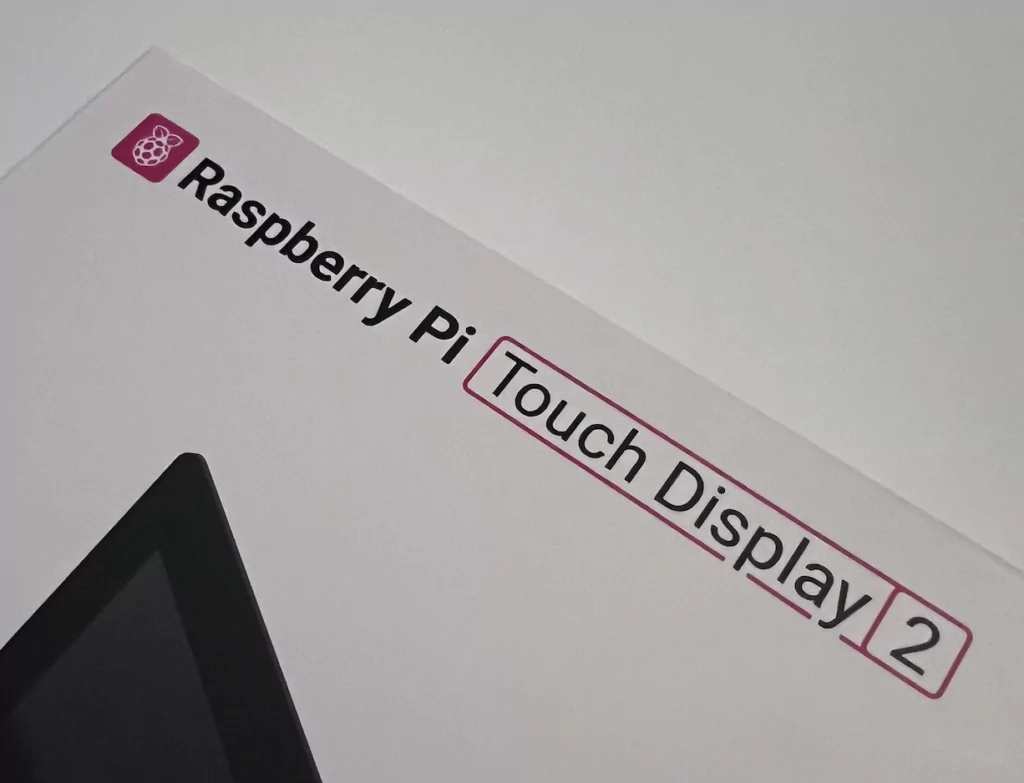
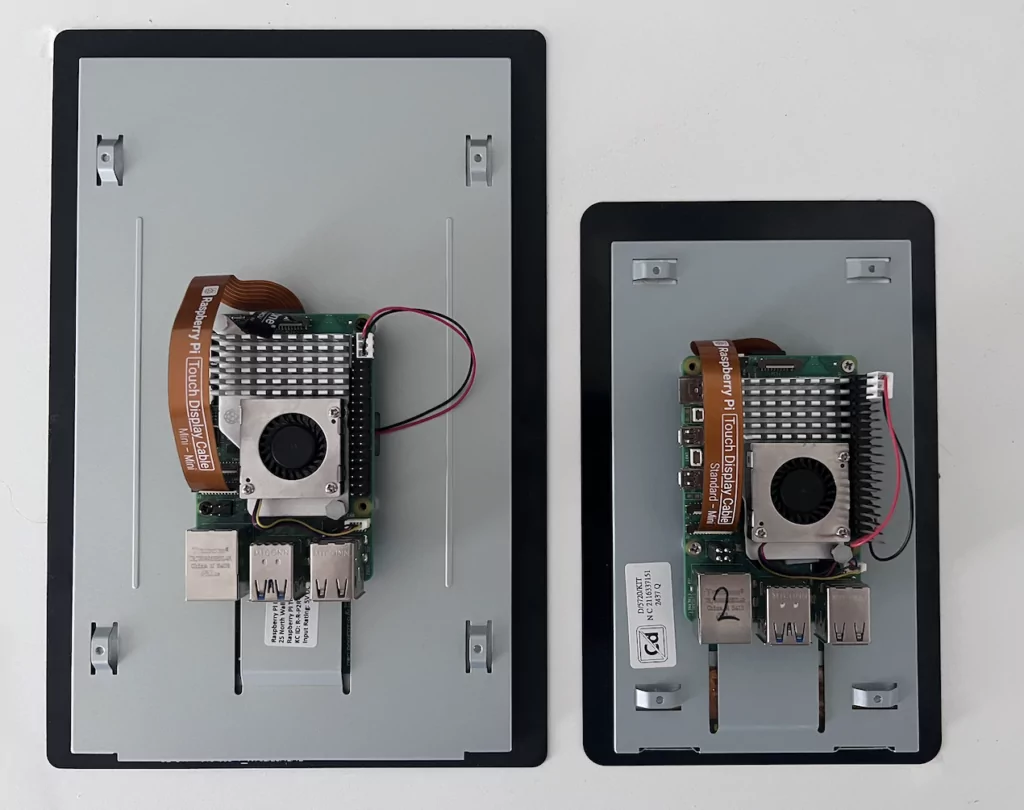
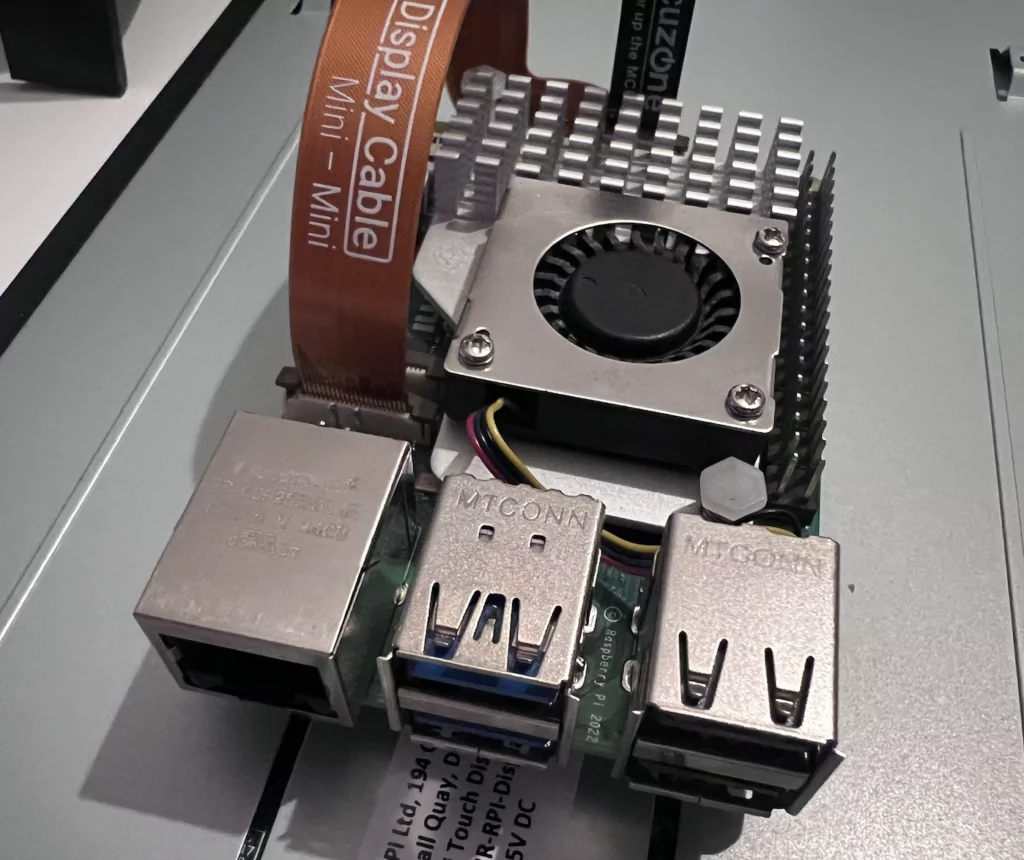
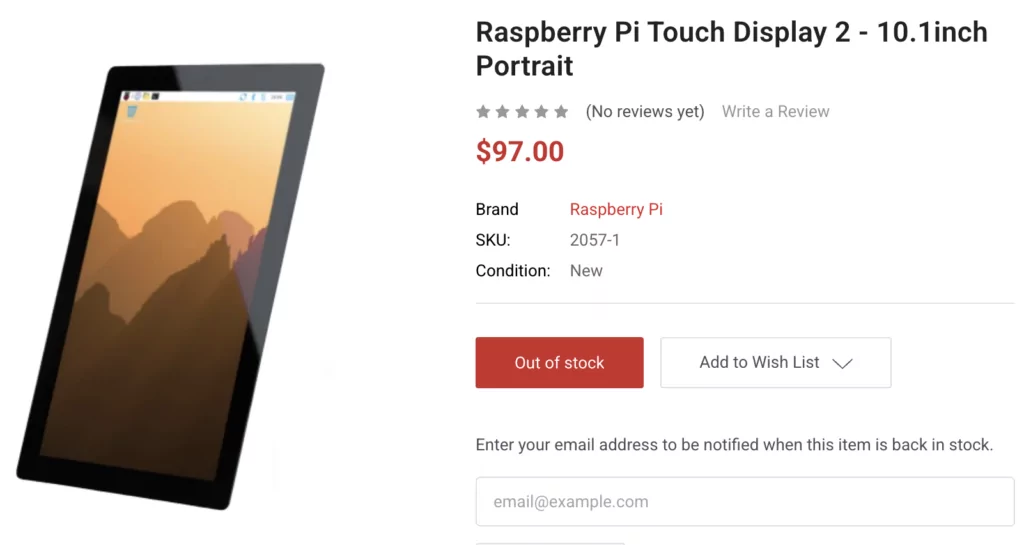
Raspberry Pi have announced a 10.1-inch version of the Raspberry Pi Touch Display 2, and there’s a fair bit going on here beyond the extra inches. We’re getting a 1200 x 1920 IPS panel, ten-finger touch, slimmer bezels, and an $80 price tag. There’s a catch though, I’m afraid, and it’s a big one if you’ve got a drawer full of older boards. It only works with the Raspberry Pi 5 and Compute Modules. Let’s get straight into it.
Raspberry Pi Touch Display 2 10-inch Specifications
As the 7-inch model is the one most of you will have picked up (or at least eyed up), I’ve popped it alongside the new 10-inch variant below so we can see exactly what the extra $20 gets you.
| Touch Display 2 (7″) | Touch Display 2 (10″) | |
|---|---|---|
| Display Size | 7 inches | 10.1 inches |
| Resolution | 720 x 1280 pixels (portrait) | 1200 x 1920 pixels (native portrait) |
| Panel Type | TFT LCD | IPS TFT LCD |
| Touch Points | 5-finger | 10-finger |
| Size | 120.24mm x 189.32mm | 161.8mm x 247.3mm |
| Active Area | 86.94mm x 154.56mm | 135.4mm x 216.6mm |
| Viewing Angle | 85 degrees | 85 degrees |
| Backlight Brightness | 500 cd/m² | 400 cd/m² |
| Touch Response Time | 35ms typical, 40ms max | 35ms max |
| Surface Treatment | Anti-glare | Anti-glare |
| Compatibility | All Pis with a DSI port | Raspberry Pi 5 and Compute Modules only |
| List Price | $60 | $80 |
What’s Actually Changed?
Quite a lot, as it turns out, and reading through the spec sheet it’s hard to shake the feeling that someone in Cambridge went through the comments section of their own launch post with a notepad and a slightly bruised ego.
The headline change is the jump to a 1200 x 1920 native portrait panel. That’s proper Full HD territory (with square pixels still intact, for those of you who celebrated that particular detail last time), and it means this is the first official Raspberry Pi display where media playback and dashboard duty don’t feel like a bit of a compromise.
The move to an IPS panel might be the bigger deal in practice though. The 5-inch and 7-inch models use a standard TFT panel with viewing angles that are, let’s say, directionally challenged.…

 点赞
点赞 收藏
收藏 点踩
点踩 分享
分享