Scientists may have finally solved the mystery of the sun's missing silver

For several years now, astronomers who study the sun have faced a little mystery — our star seemed to hold too little silver. Whenever scientists examined the sun's outer layers, they've seen significantly less silver than they've expected to find.
Where, then, did the missing silver go?
As it turns out, this mystery may finally be solved. Newly published research suggests that the sun 's missing silver may have been hiding in plain sight all along.
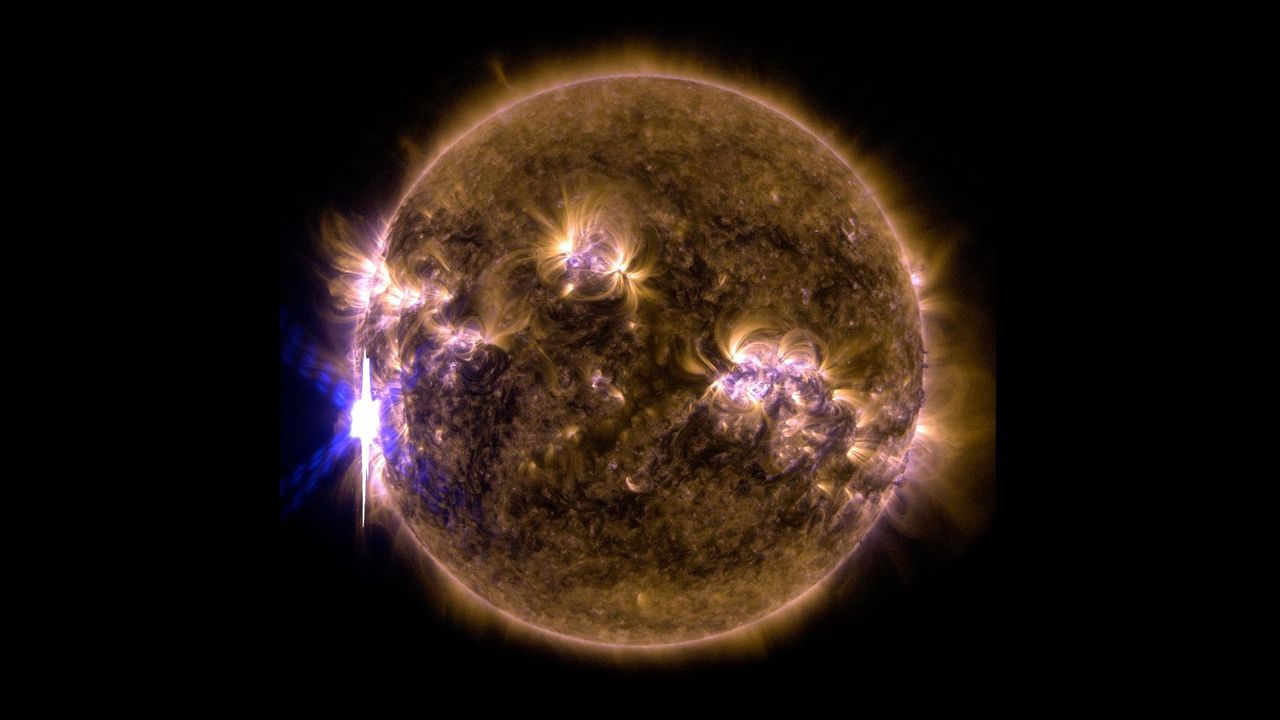
At first, the real mystery might seem to be why you'd seek silver in the sun at all. After all, 98.5% of the sun's mass is made from lightweight hydrogen and helium. Silver is just a tiny fraction of the remaining 1.5%, which also includes traces of other heavy elements like iron and copper.
These trace elements can illuminate the history of the cosmos. Silver is thought to form when dying stars violently explode in supernovas. When astronomers find silver in the sun and other stars, they can retrace the silver's origins and how stars have evolved over the eons.
"By studying the light of stars of different types and ages, we hope to understand where silver is formed in the universe, and how it has been distributed throughout the Milky Way over time," says Sema Caliskan, the lead author of the research and now a postdoc at the University of Liège in Belgium, in a statement.
Silver is particularly interesting because it's also found in utterly ancient meteorites called CI chondrites. These meteorites formed from the same primordial matter that created the sun, 4.6 billion years ago. As a result, when scientists break into CI chondrites that have fallen to Earth, they expect to find silver levels that match those they see in the sun.
(Image credit: Anish Amarsi/Uppsala University)
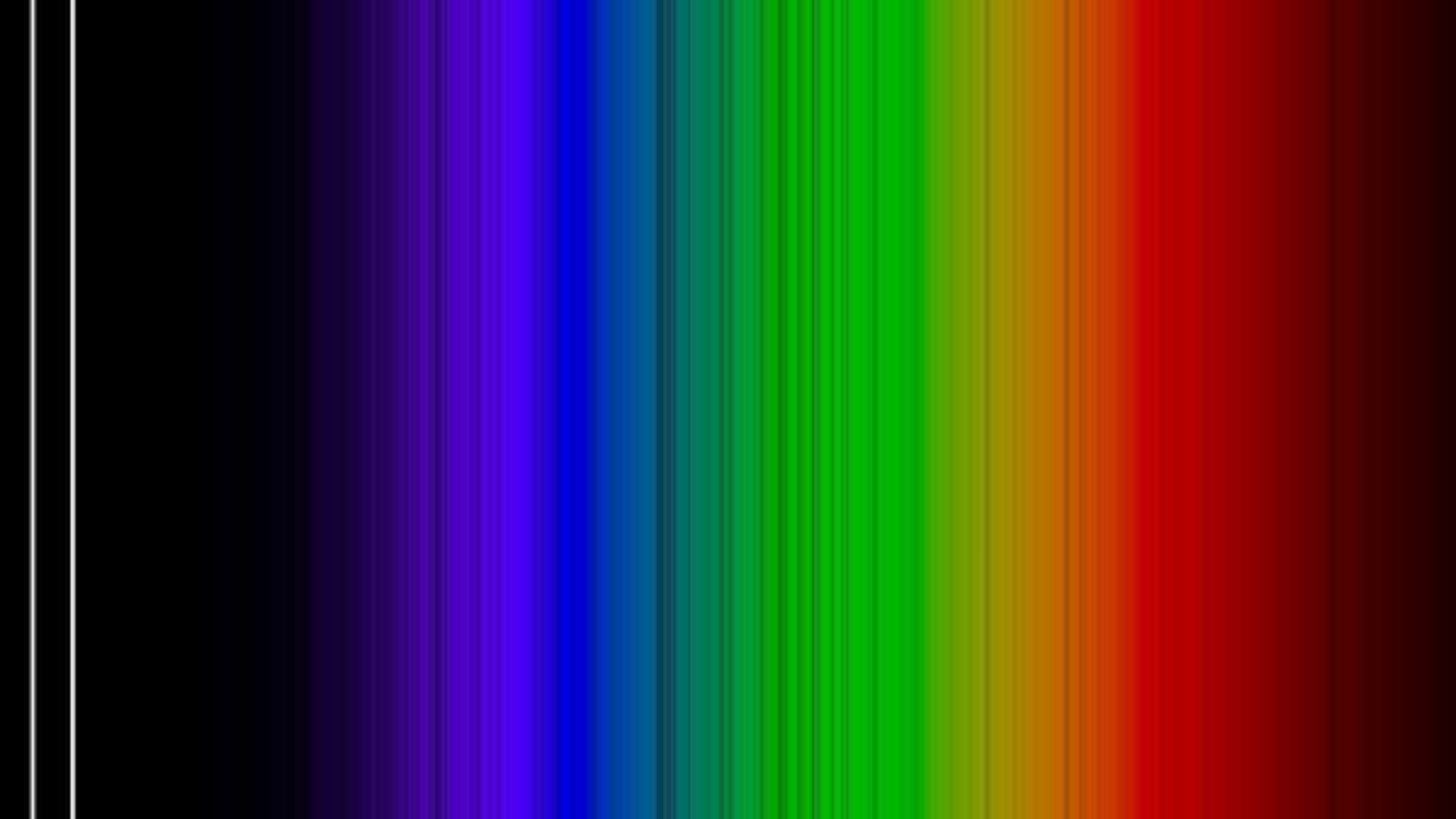
Astronomers can measure the latter from afar by looking at sunlight's spectral lines. As light streams out from the sun's heart, it crashes into the atoms of our star's outer layers, which absorb the light at certain wavelengths. Look at…

 点赞
点赞 收藏
收藏 点踩
点踩 分享
分享