The US is in another asymmetric war in the Middle East

The Post 9/11 wars have shown the limits of America’s military might against insurgents, terrorist groups, and other enemies that fight in the shadows instead of in force-on-force battles.
Yet with the Iran war, the U.S. military is once again waging a largely conventional campaign against an enemy that excels in unconventional tactics, as the Pentagon has long known.
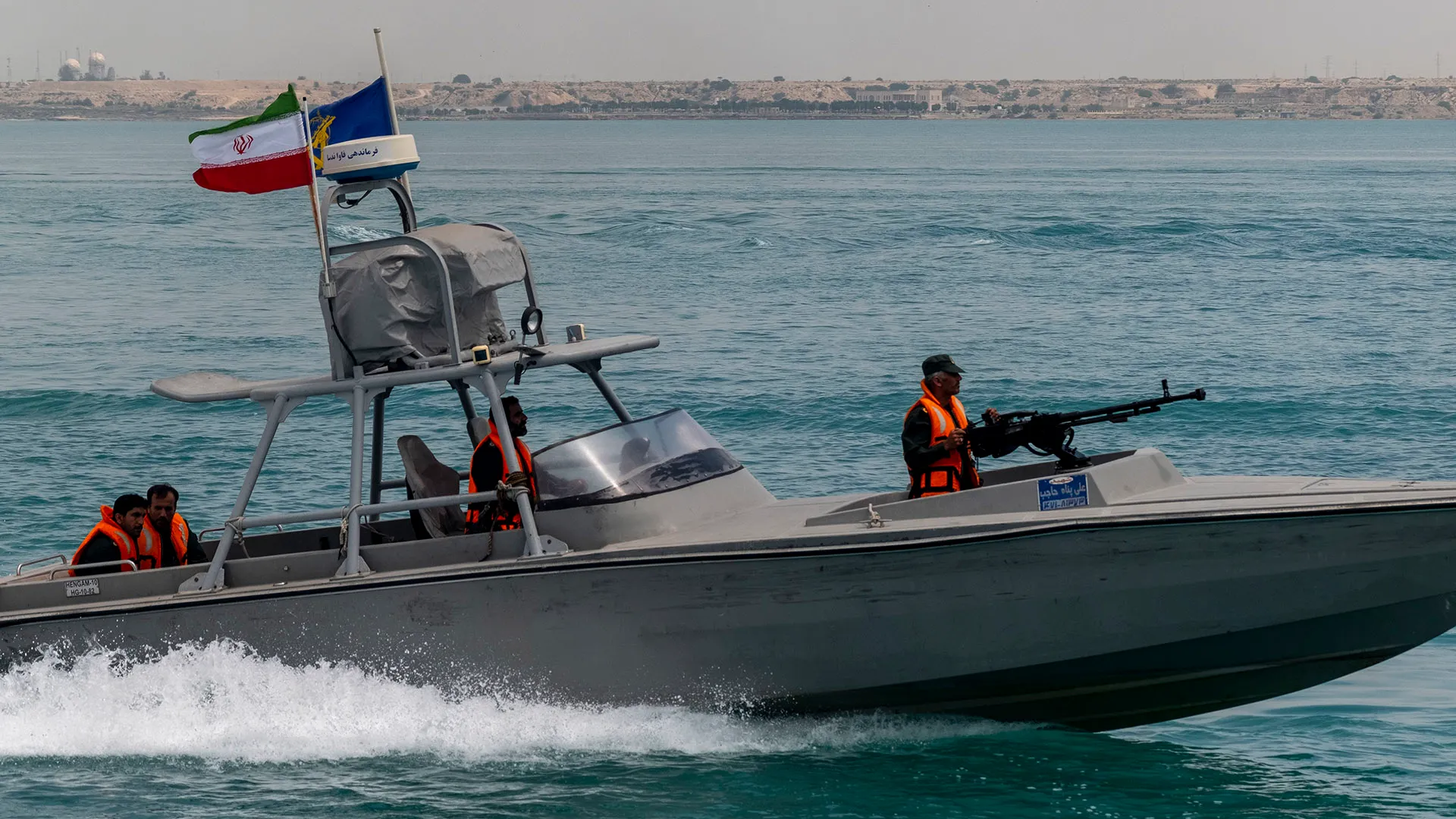
Although Iran’s conventional navy has largely been sunk, it still has managed to inflict economic pain by curtailing commercial shipping in the Strait of Hormuz, through which about 20% of the world’s oil flowed prior to the conflict. Iran has also used relatively low-cost drones to carry out attacks against U.S. troops and partner nations in the Middle East.
Top Stories This WeekNewsNavy orders removal of commanders’ portraits, bios, on service websites
By Nicholas SlaytonNewsAbandoned Navy base costs taxpayers $340,000 a year in internet nobody uses
By Matt WhiteNewsTwo Air National Guard commanders fired for ‘loss of confidence’
By Matt White
The conflict with Iran demonstrates differences between conventional warfare, which measures success through levels of attrition, and asymmetric warfare, which defines victory in other terms, said Jonathan Schroden, an irregular warfare expert with CNA, a Washington, D.C.-based not-for-profit research and analysis organization.
“So, what you’re seeing right now is the U.S. is fighting a conventional war against Iran,” Schroden told Task & Purpose. “We believe that if we strike enough targets in Iran, cause enough damage, destroy enough capability, that they will capitulate. Iran’s theory of success in this war is to impose costs and to outlast the U.S. in time. And so, their theory really centers on economic aspects and time aspects, which translate into politics.”
Schroden noted that the U.S. military has destroyed much of Iran’s conventional military, but the Islamic Revolutionary Guard Corps is a separate entity that focuses on asymmetr…

 点赞
点赞 收藏
收藏 点踩
点踩 分享
分享