The Baseball Tax That Made the Great Depression Worse

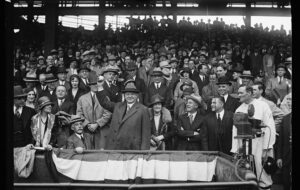
The year is 1932. It has been almost three years since the stock market crashed. By the end of the year, the unemployment rate will hit almost 24 percent. There is a silver lining, though: baseball. Pick your city, pick your team. Forget about the current economic or personal crisis for a couple of hours.
When crises hit, governments (unfortunately) seldom sit still. They often introduce new policy measures, claiming they are necessary and neutral. To raise revenue for such programs, states must choose whether to borrow the money, print the money, or confiscate it from the people in taxes. Not by coincidence, the most visible and organized activities are easily targeted by a “necessary tax” narrative. But sometimes these activities are the last affordable parts of ordinary life.
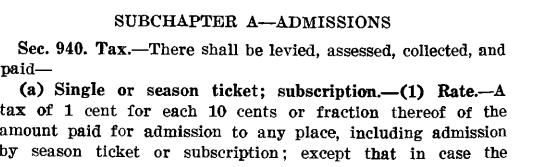
In the summer of 1932, the federal government reinstituted an amusement tax that had originally been introduced under the Revenue Act of 1917 but repealed in the 1920s. It applied broadly to tickets for movies, theaters, and sporting events — like Major League Baseball games.
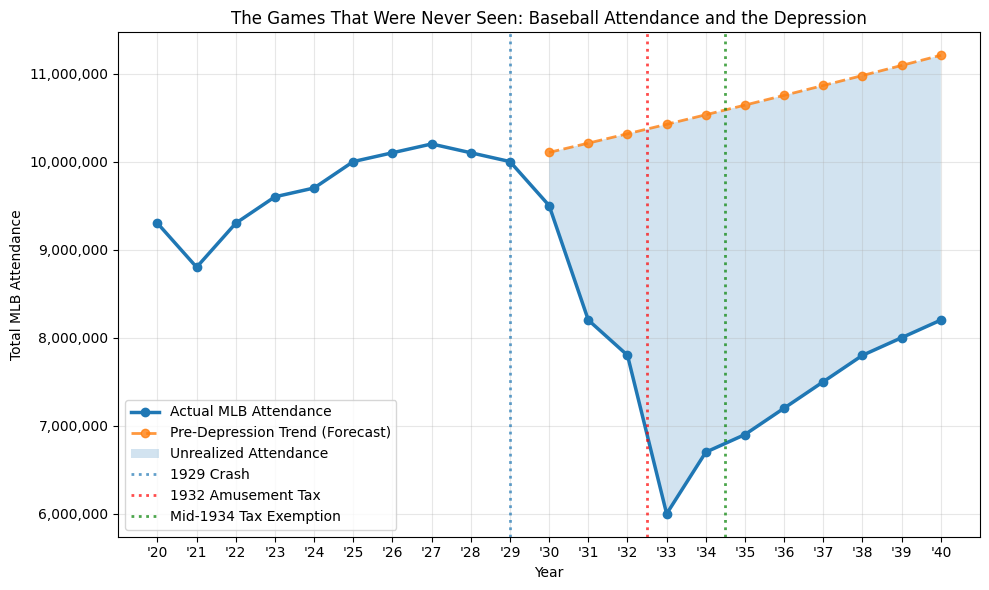
Upon first consideration, it appears modest — only 10 percent on admissions. This applied to most standard baseball tickets (all above forty cents) before exemptions were raised high enough to exclude them two years later.
Perhaps in normal times, this would have gone by somewhat unnoticed. In 1932, however, unemployment was high, incomes were falling, and families were increasingly cutting discretionary spending as they entered the third year of the Great Depression. In fact, baseball attendance had already fallen from about ten million to about 7.8 million annually.
And then the tax arrived.
Mainstream economic analysis regarding taxation is centered around who pays it. Do consumers bear it through higher prices, or do producers eat it through lower revenue? Perhaps some combination. This framing is, at best, incomplete. Prices are not simply cost-plus formulas. They depend on what consumers are willing and abl…

 点赞
点赞 收藏
收藏 点踩
点踩 分享
分享