Design Philosophy: Norman Foster, The Optimist's Machine


The Principle
“The jury has chosen an architect who cares passionately about the future of this planet, an avowed optimist with a firm belief in technological progress, but who also believes that architecture is about people and the quality of life.” – Pritzker Prize jury, 1999 1
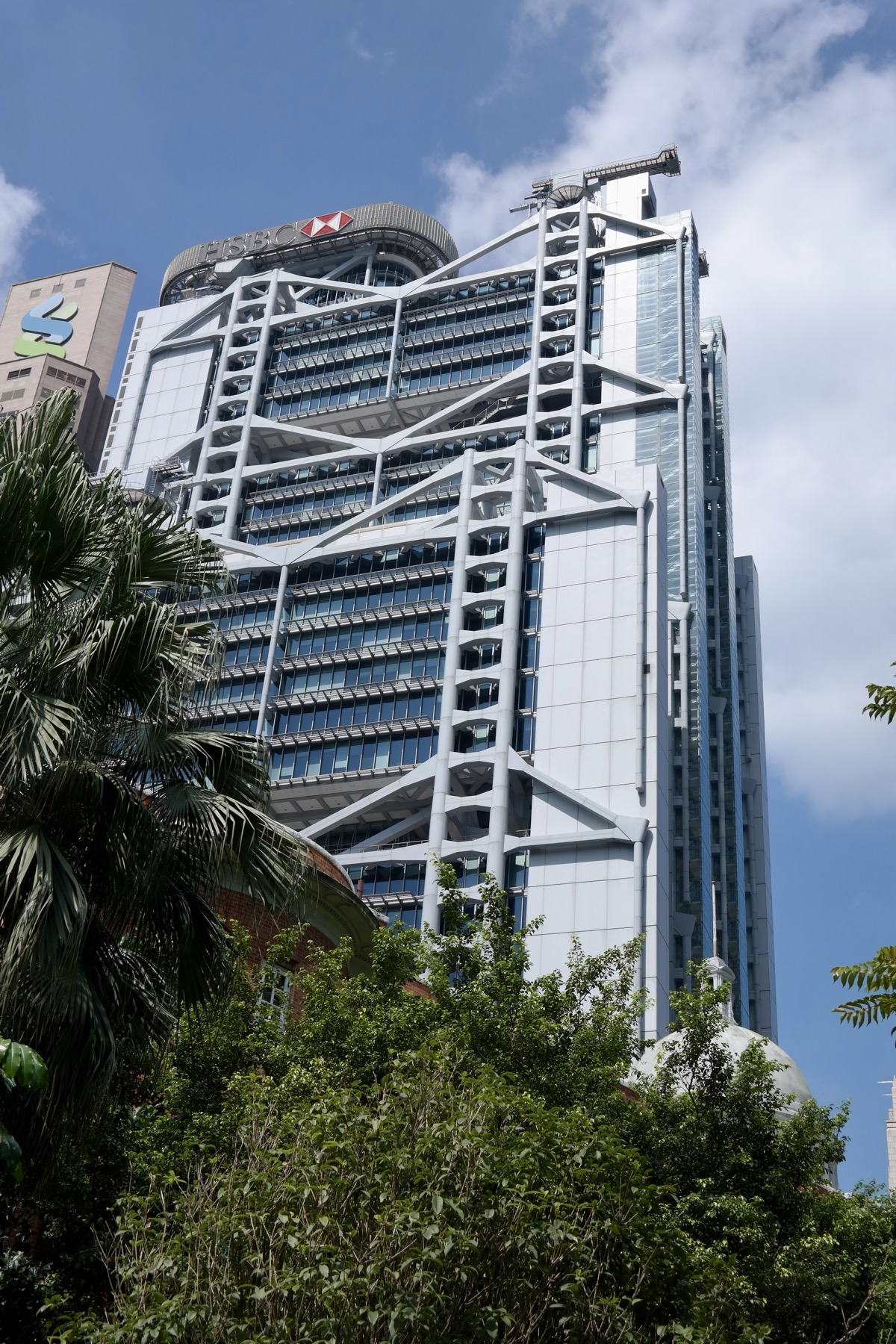
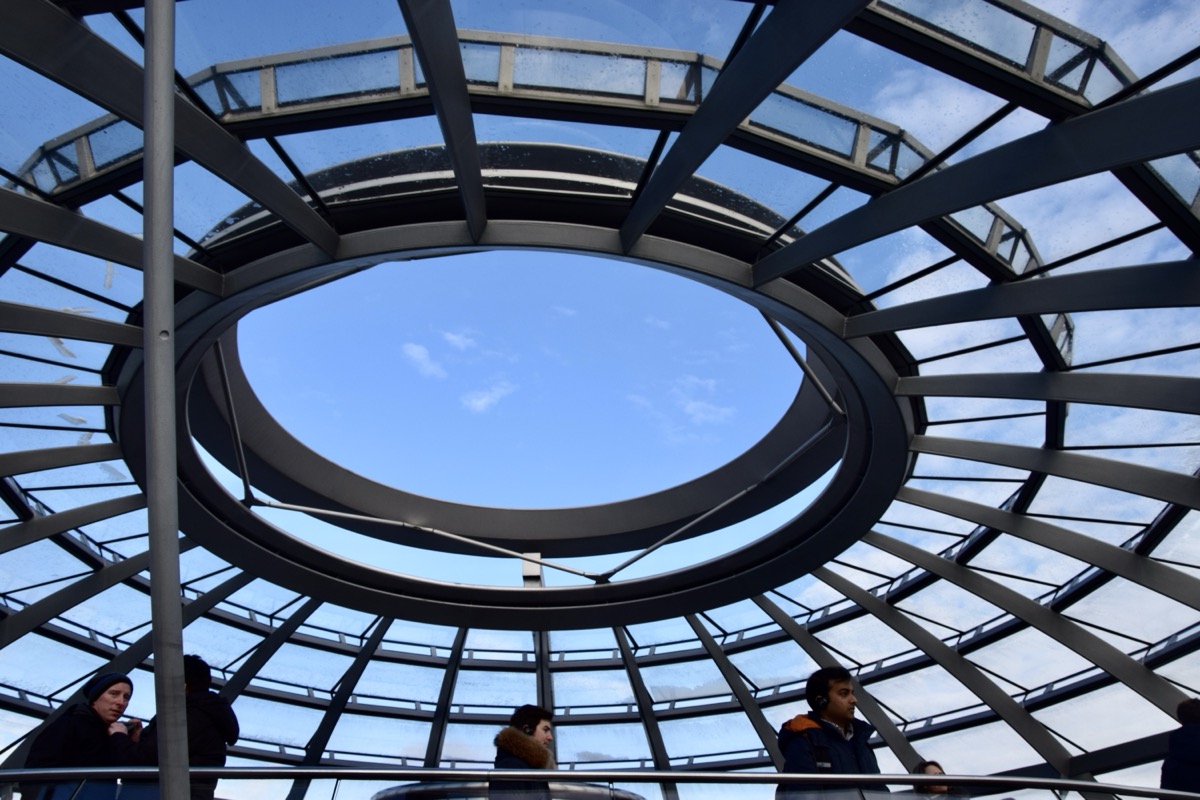
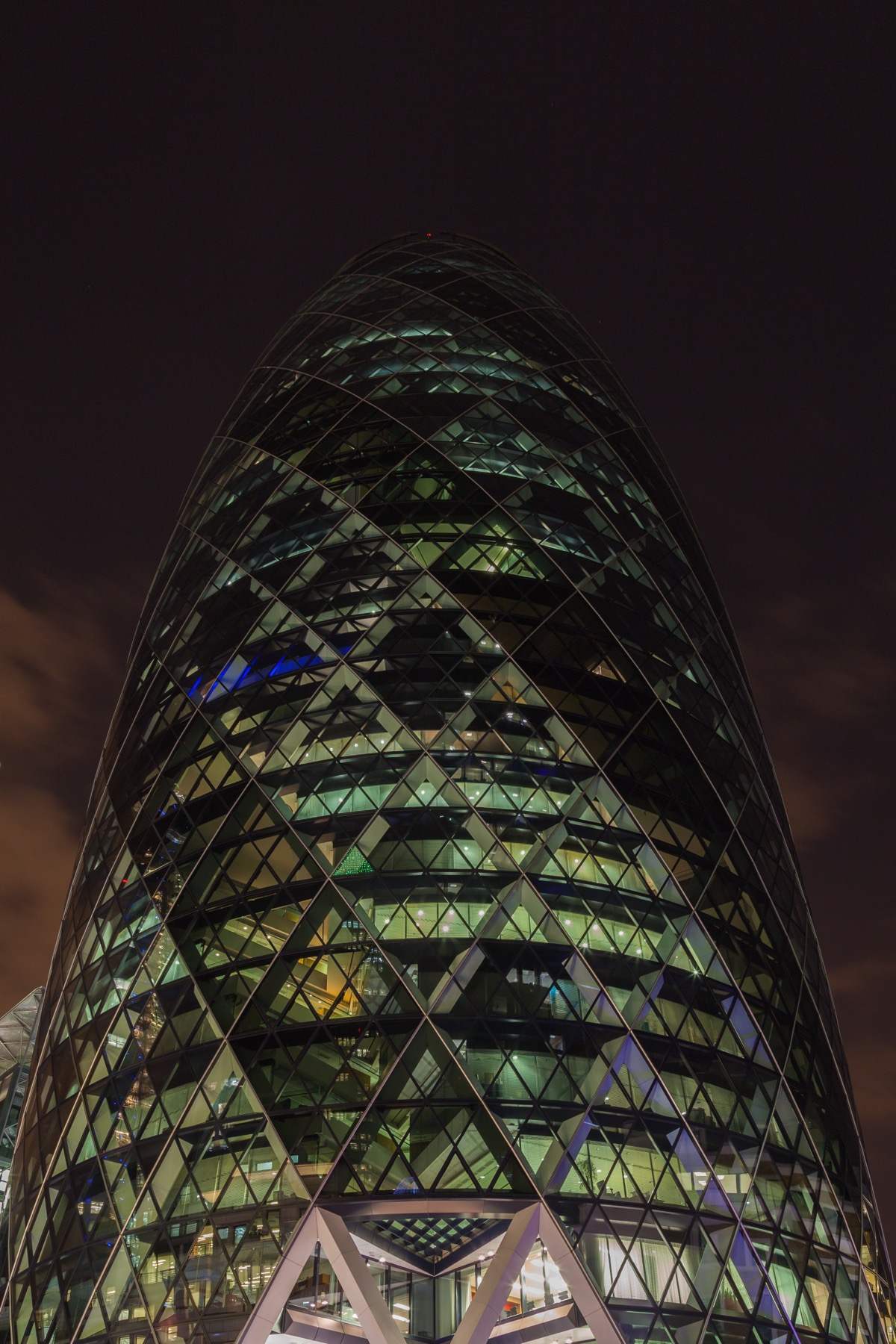
The jury’s sentence is the cleanest statement of Foster’s position, because it names the tension he refuses to accept as a tension. High technology and human warmth are usually cast as opposites: the machine aesthetic against the human scale. Foster’s whole career argues they are the same project. The advanced structure is how you deliver daylight to an office worker, a public roof garden, a parliament citizens can walk above. The jury’s citation credits him with re-inventing the tall building and producing, in Frankfurt’s Commerzbank, “arguably the first skyscraper with an ecological conscience” 1 – an ecological conscience achieved not by refusing technology but by doubling it. 3
Context
Foster was born in Manchester in 1935, working-class, and came to architecture sideways: he left school at sixteen, worked in the city treasurer’s office, did national service in the Royal Air Force, and only then studied architecture at Manchester, winning a scholarship to Yale for his master’s. 2 The RAF matters more than the degree. Foster is a lifelong pilot, and flight is his native metaphor: the discipline of doing more with less, the beauty of structures whose form is their performance.
At Yale he met Richard Rogers; back in England they founded Team 4, whose few buildings announced British high-tech. Rogers went on to build the Pompidou Centre with Renzo Piano – the movement’s two temperaments, Foster’s precision and Piano’s craft, share a common ancestor in that partnership. Foster Associates followed in 1967, and an early mentorship shaped everything after: working with Buckminster Fuller, the great apostle of “more with less,” on projects that treated buildings as environmental machines.…

 点赞
点赞 收藏
收藏 点踩
点踩 分享
分享