
Design Philosophy: Issey Miyake, A Piece of Cloth

Design Philosophy: Issey Miyake, A Piece of Cloth 图片 1
Design Philosophy: Issey Miyake, A Piece of Cloth 图片 2
Design Philosophy: Issey Miyake, A Piece of Cloth 图片 3
Design Philosophy: Issey Miyake, A Piece of Cloth 图片 4

The Principle

“Design is not for philosophy, but for life.” – Issey Miyake 1

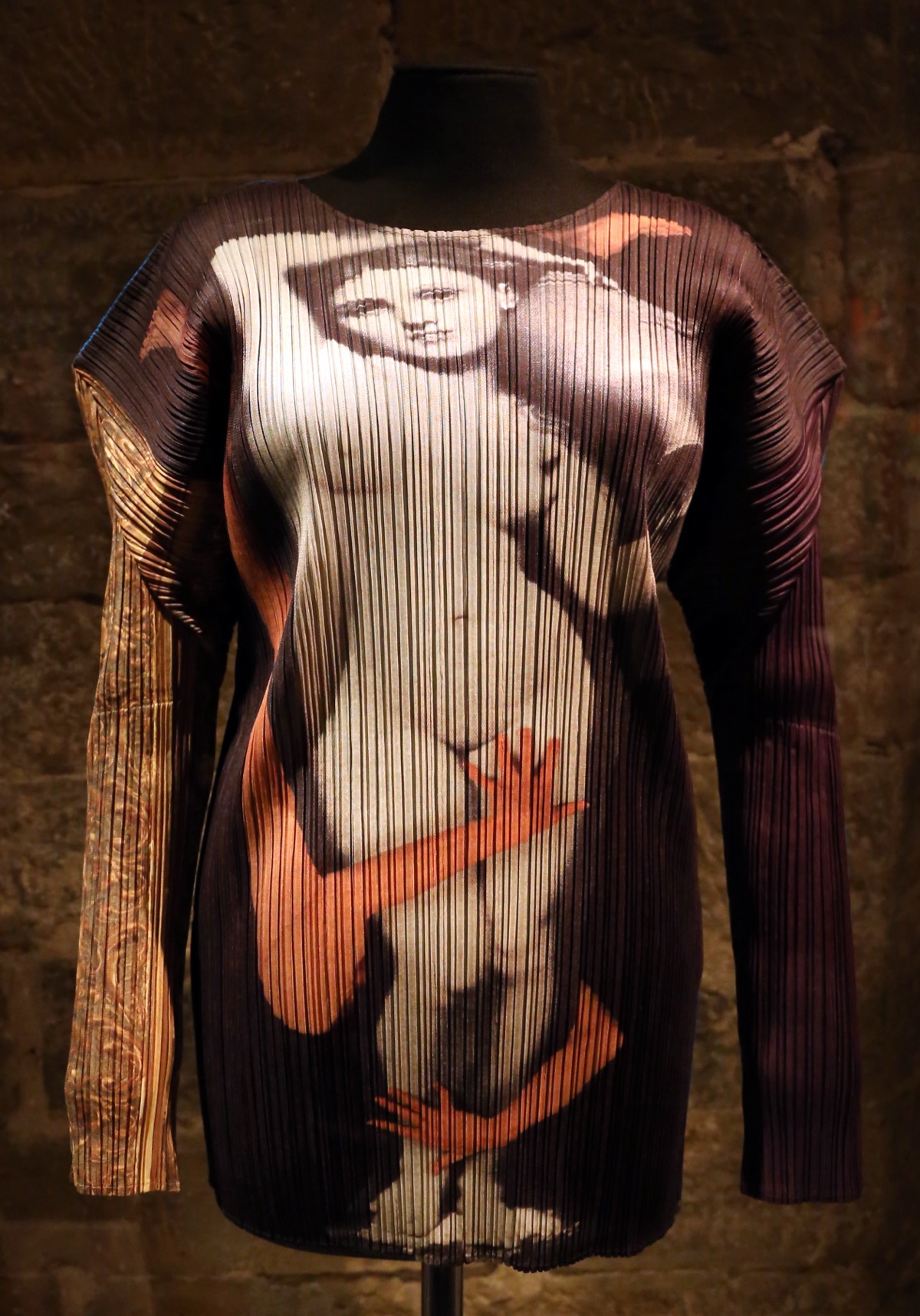
Fashion runs on a seasonal cycle of spectacle: propose a silhouette, photograph it on a runway, replace it in six months. Miyake opted out of nearly all of it. He preferred the word “clothing” to “fashion,” and he built garments the way an engineer builds a tool: to be worn, washed, packed flat in a suitcase, and put on again without ironing. The Pleats Please line that made this concrete is machine-pleated after the garment is sewn – a patented inversion of couture logic, where fabric is treated before cutting. 2 The pleats are permanent. The dress survives the washing machine. The philosophy fits in carry-on luggage.

The quote is not a slogan; it is a filter. Ask of any Miyake garment what it does for the life of the person inside it, and every technical decision – the polyester instead of silk, the pleat instead of the dart, the tube of knit instead of the pattern piece – resolves into the same answer: freedom of movement, freedom from maintenance, freedom from the tyranny of the fitted body.

Context

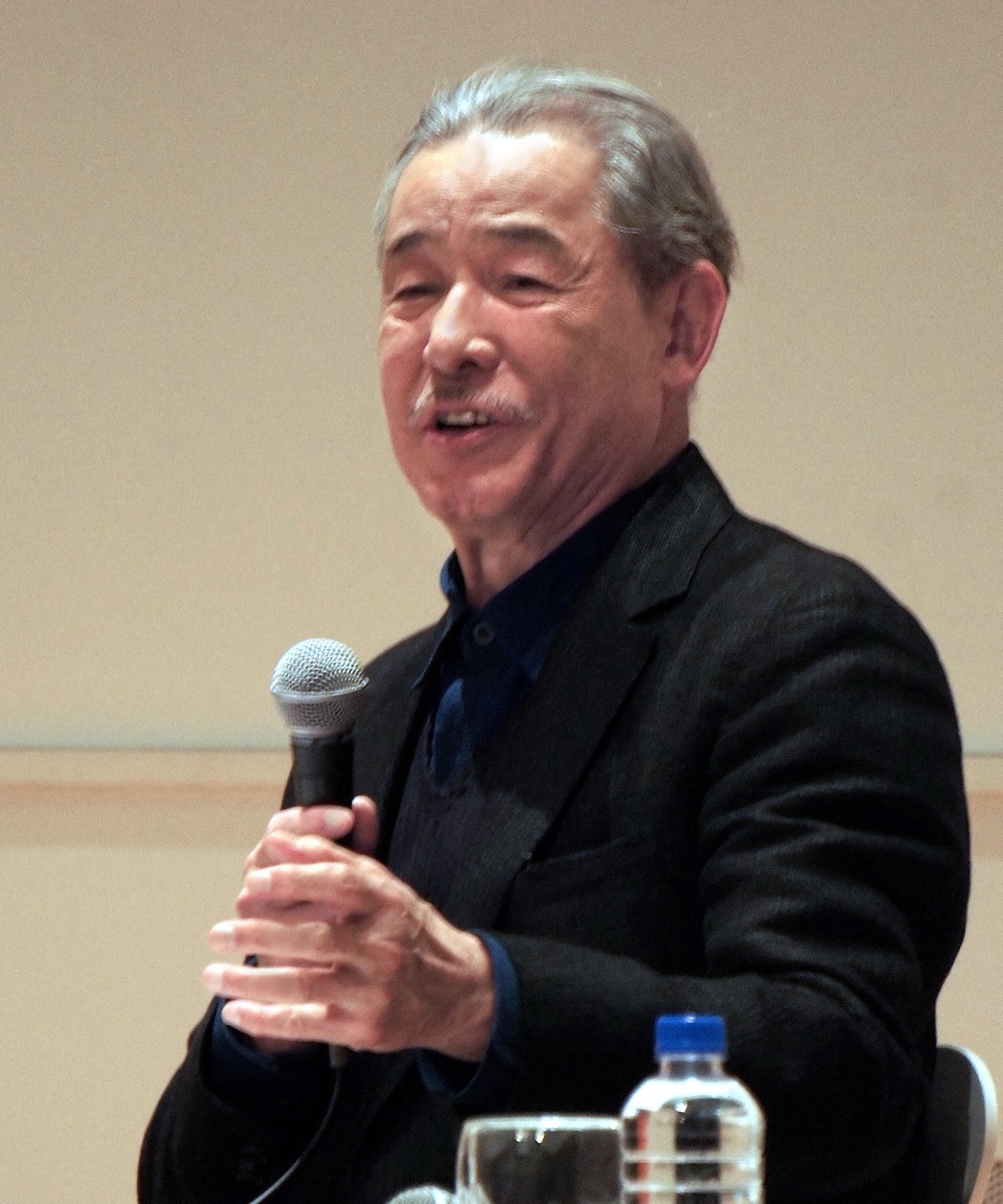
Miyake was born in Hiroshima on April 22, 1938. He was seven years old on August 6, 1945, and survived the atomic bombing; his mother died of radiation exposure within three years. 3 He spent most of his career refusing to discuss it, unwilling to be captioned “the designer who survived,” until 2009, when President Obama’s disarmament pledge moved him to write a New York Times op-ed, “A Flash of Memory,” and put the fact on his own terms. 3 What he took from the experience, he wrote, was a preference for thinking about “things that can be created, not destroyed, and that bring beauty and joy.”

He studied graphic design at Tama Art University, apprenticed in Paris ateliers (Guy Laroche, Givenchy) in the late 1960s, worked in New York, and founded the Miyake Design Studio in Tokyo in 1970. 4 The timing matters: he entered fashion just as Paris’s monopoly on it was cracking, and he made…

添加评论
点赞收藏
点踩分享查看原文
评论
?
参与讨论