Without stronger government action, Brazil’s low deforestation in the Amazon is unlikely to last

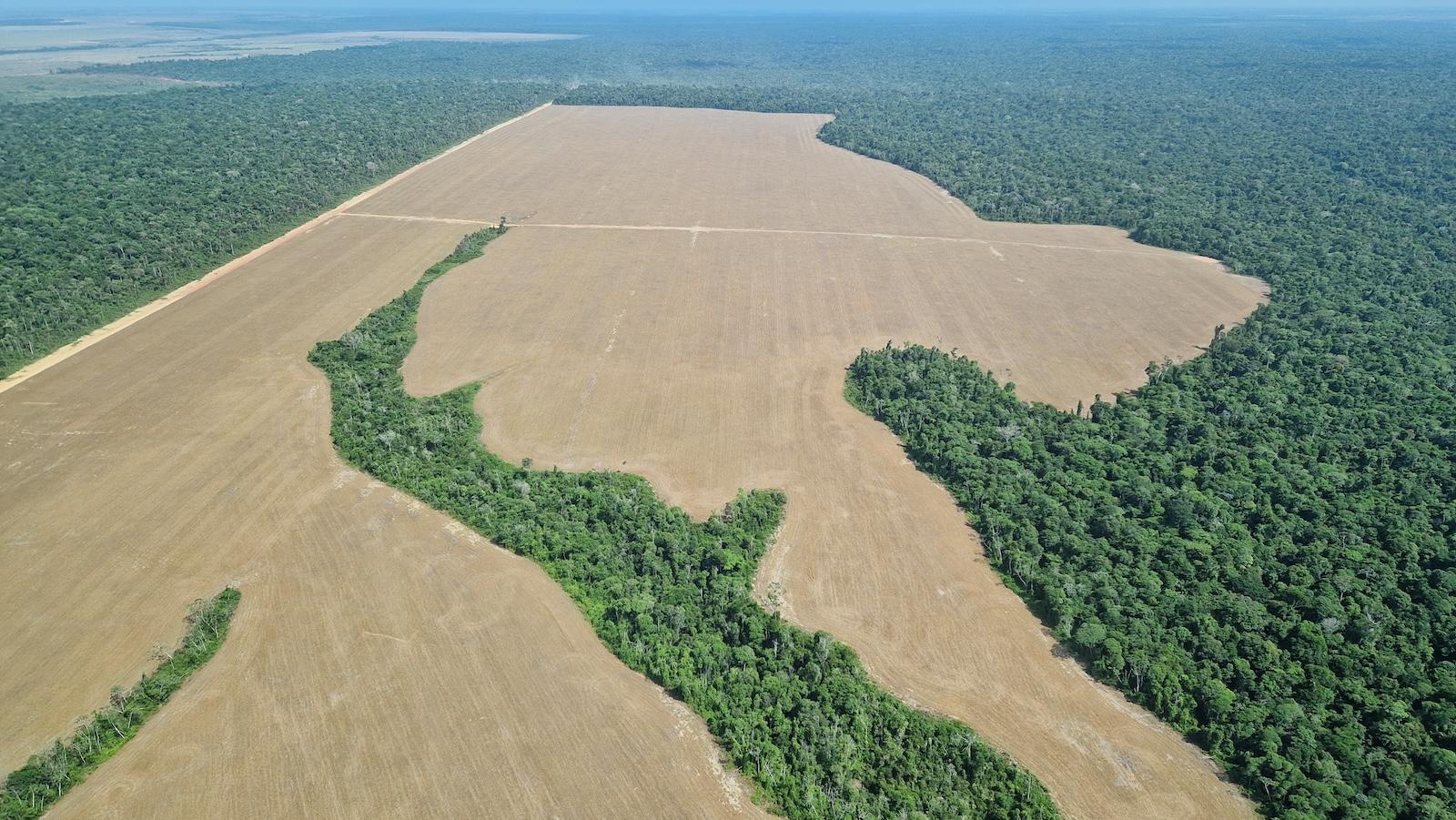
A recent report from Brazil’s national space agency showed that deforestation in the Brazilian Amazon is the lowest it’s been in a decade. The news made headlines and was lauded as an example of the progress President Luiz Inácio Lula da Silva had made toward his promise of eliminating illegal deforestation there by 2030. Since taking office in 2023, Lula’s administration has ramped up environmental policies aimed at making the country’s beef industry more transparent, such as increasing policing and remote monitoring of forest lands.
But some of that progress is at risk of being undone, say environmental experts.
In January, a number of agrifood groups left a voluntary trade agreement known as the Amazon Soy Moratorium, which had been highly effective at curbing deforestation for the sake of cultivating soybeans. The pact prohibited members from buying soy grown on lands deforested after July 2008. When the moratorium fell apart earlier this year, researchers and advocates expected it to usher in a rise in deforestation for soy cultivation. Now, thanks to a group of scientists working in both the U.S. and Brazil, we have an initial expectation of how much deforestation is likely to occur in the coming years.
In a new paper published last week in Science, researchers say that the Amazon forest is at risk of losing 1.4 million hectares — or the equivalent of about 2 million soccer fields — to deforestation over the next 10 years.
Before the moratorium was in place, soy cultivation was one of the main drivers of deforestation in the Amazon; for example, in Mato Grosso, Brazil’s leading soy producing state, a quarter of soy production from 2001 to 2005 came from clearing forested lands. After a widespread public campaign led by Greenpeace, public and private sector actors working in the Amazon forest came together to create the soy moratorium. “People generally followed it,” said Lisa Rausch, one of the authors of the Science paper. “There weren’t many violations…

 点赞
点赞 收藏
收藏 点踩
点踩 分享
分享