Don't Look Back in Anger

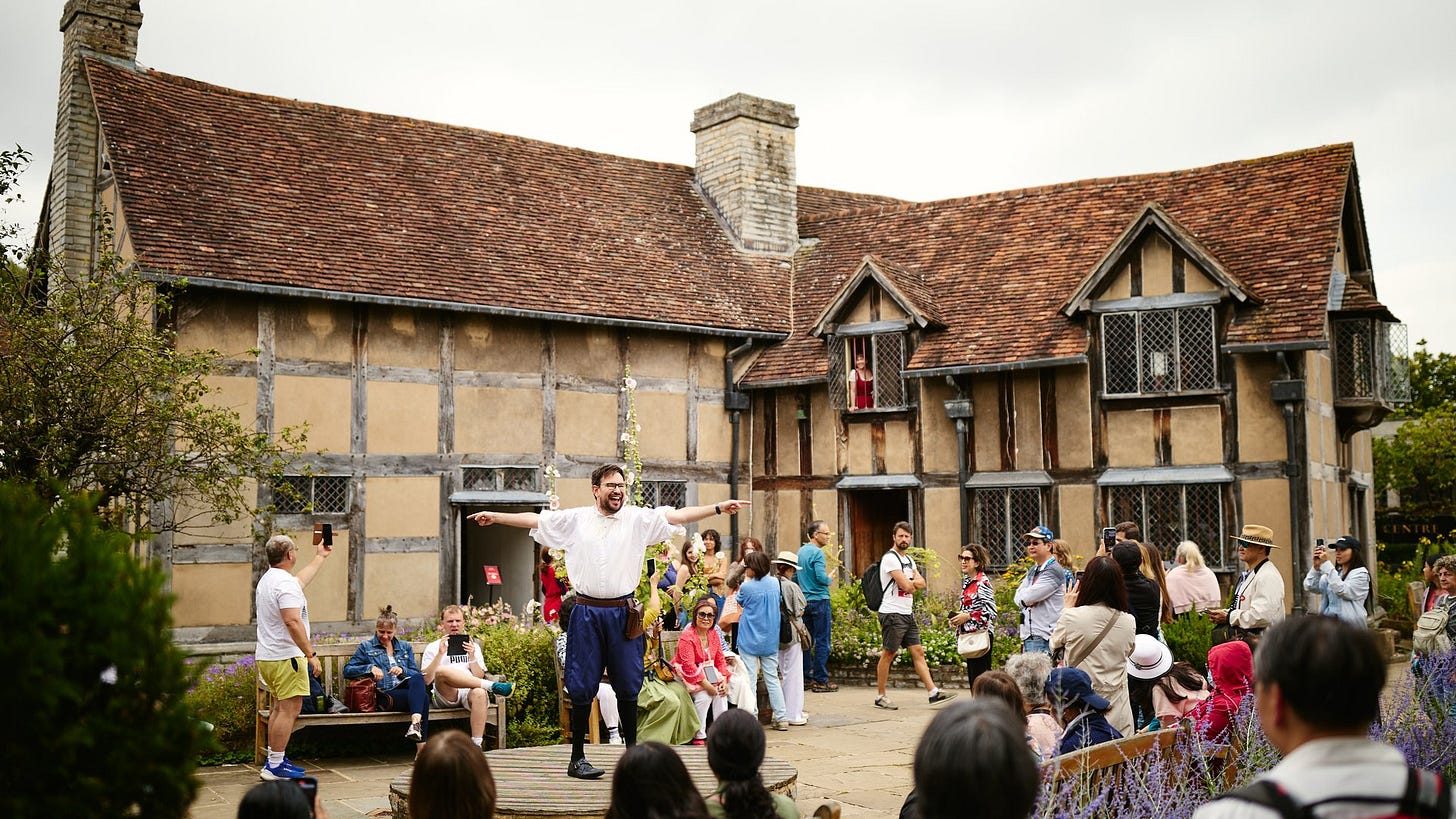
It was the end of January, and I was standing in the Theatre of Dionysus with the wind cutting through my jacket. The stone seats cascaded down toward what had once been the stage, worn smooth by centuries of weather and tourists. I’d imagined something grander, but most Greek ruins are smaller than you expect. Still, there was something about being in the actual space where tragedies were first performed that made my chest feel tight.
The week before I came to Athens, I’d been rewatching Saint Seiya: Hades Chapter, a Japanese anime that reimagines Greek mythology with armoured warriors and underworld battles, thinking it would put me in the right headspace for visiting ancient ruins.
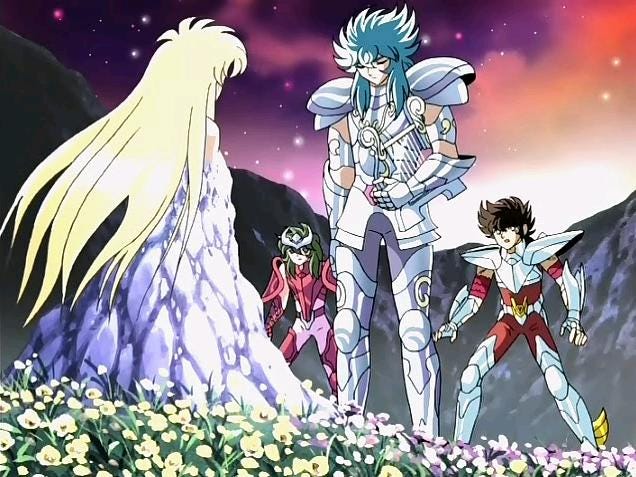
There’s this arc with Orphée, the Silver Saint who goes down to the underworld to rescue Eurydice. I’d watched it as a teenager and thought it was just another tragic backstory, the kind anime loves to give its characters to make them seem deeper. But watching it again at mid-thirties, I started crying during the scene where he looks back.
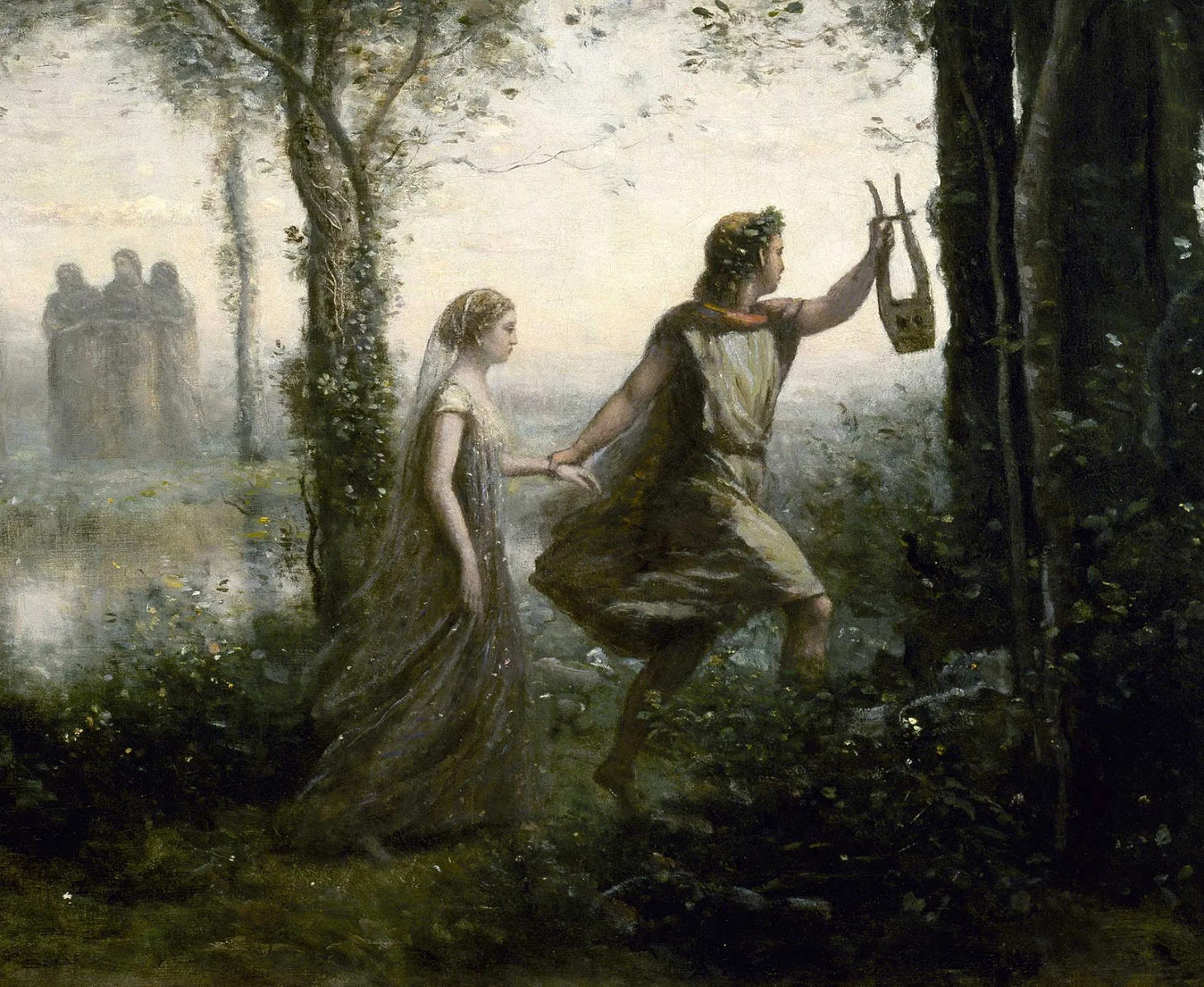
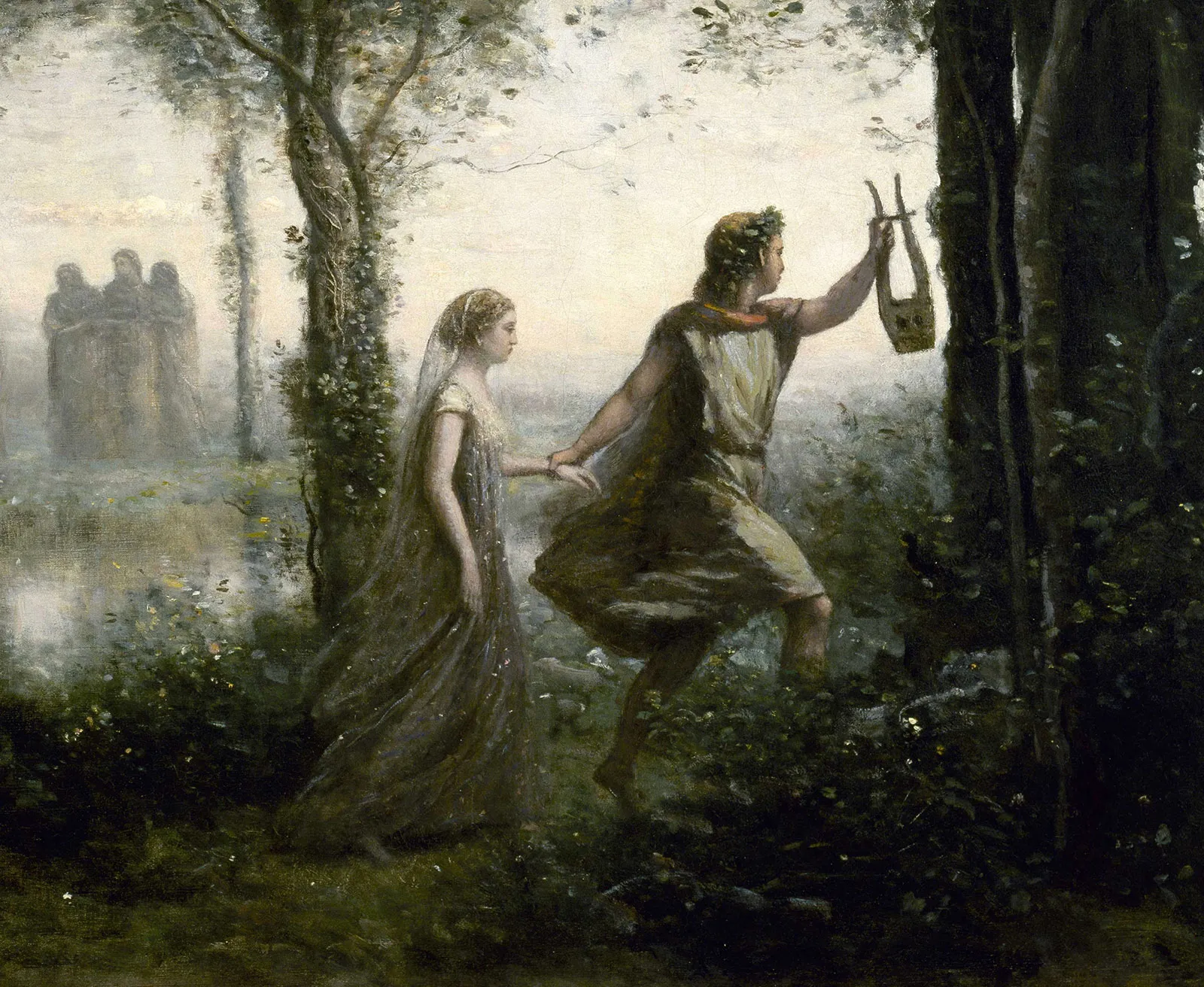
The original myth is simple enough. Orpheus charms Hades with his music, gets permission to lead his dead wife back to the living world, but there’s one rule: he can’t look back until they’ve both reached the surface. Of course he looks back. Every version of this story ends the same way. The moment he does, she vanishes forever, pulled back into death.
Orphée and Eurydice from Saint Seiya
In the anime version, Orphée doesn’t fail because he’s impatient or doubtful. He’s tricked. The villain Pharaoh creates this false sunlight, and it’s so convincing that Orphée genuinely believes they’ve made it out. He turns around to embrace Eurydice, relief flooding his face, and her lower body immediately turns to stone.
The camera lingers on his expression as he realises what he’s done. And then, instead of running back to the surface alone and saving himself, he just stays. He sits down with his lyre and decides to spend eternity in the underworld, play…

 点赞
点赞 收藏
收藏 点踩
点踩 分享
分享