Tinder Brings In-Person Dating Events to More Cities in the US, Europe


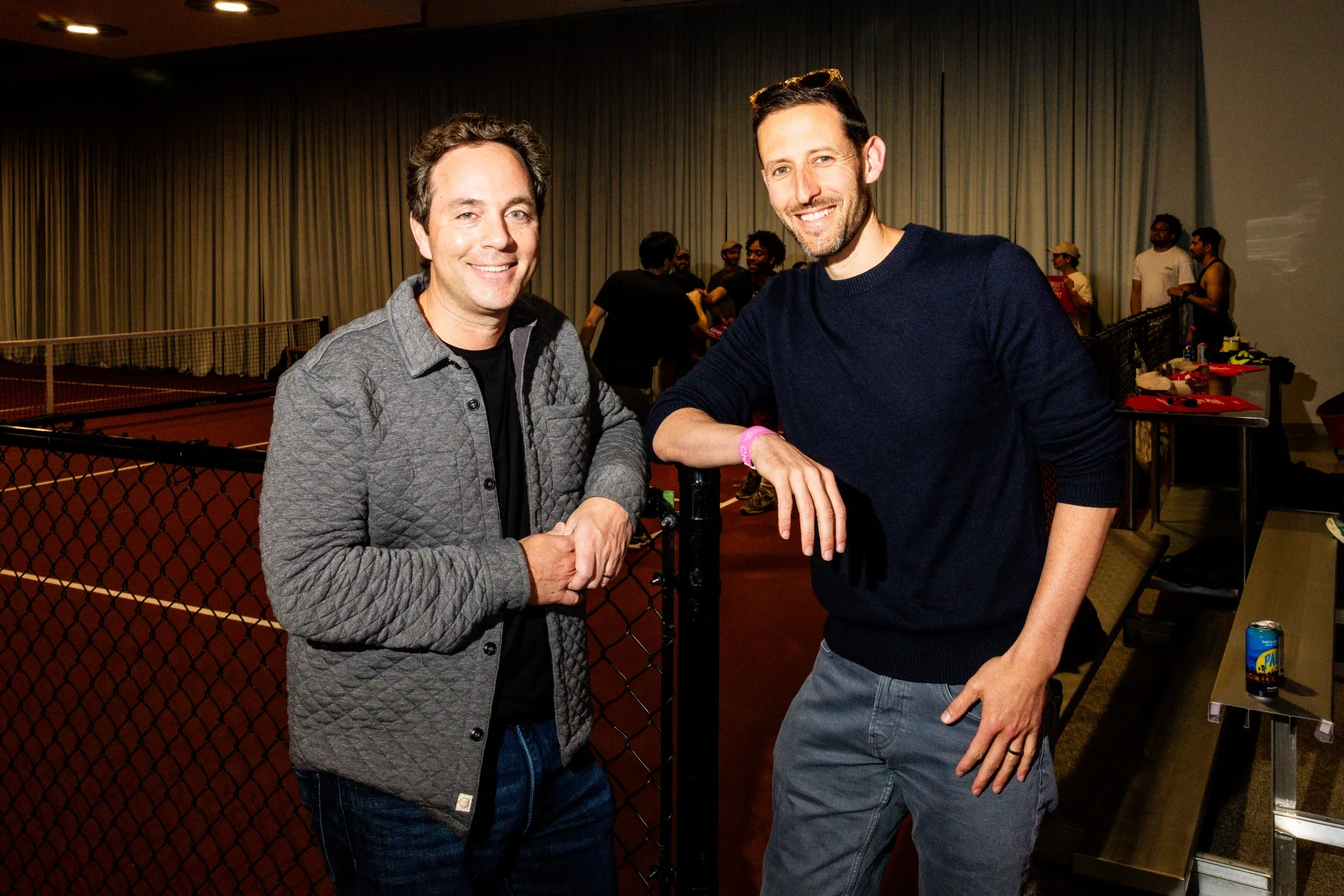
Tinder users and guests socialize during a Tinder pickleball event in the Los Angeles area.
Tinder is expanding its in-person singles events to new markets across the US and Europe following a successful test in Los Angeles that launched in March.
The brand said Thursday that the program is now live in nine new cities: New York, Dallas, Denver, Kansas City, Phoenix, Berlin, Munich, Zurich and Geneva. By September, it plans to expand to 16 more markets, such as Baltimore and San Jose, California. Down the road, it’s also targeting additional international cities, including in the Asia-Pacific region.
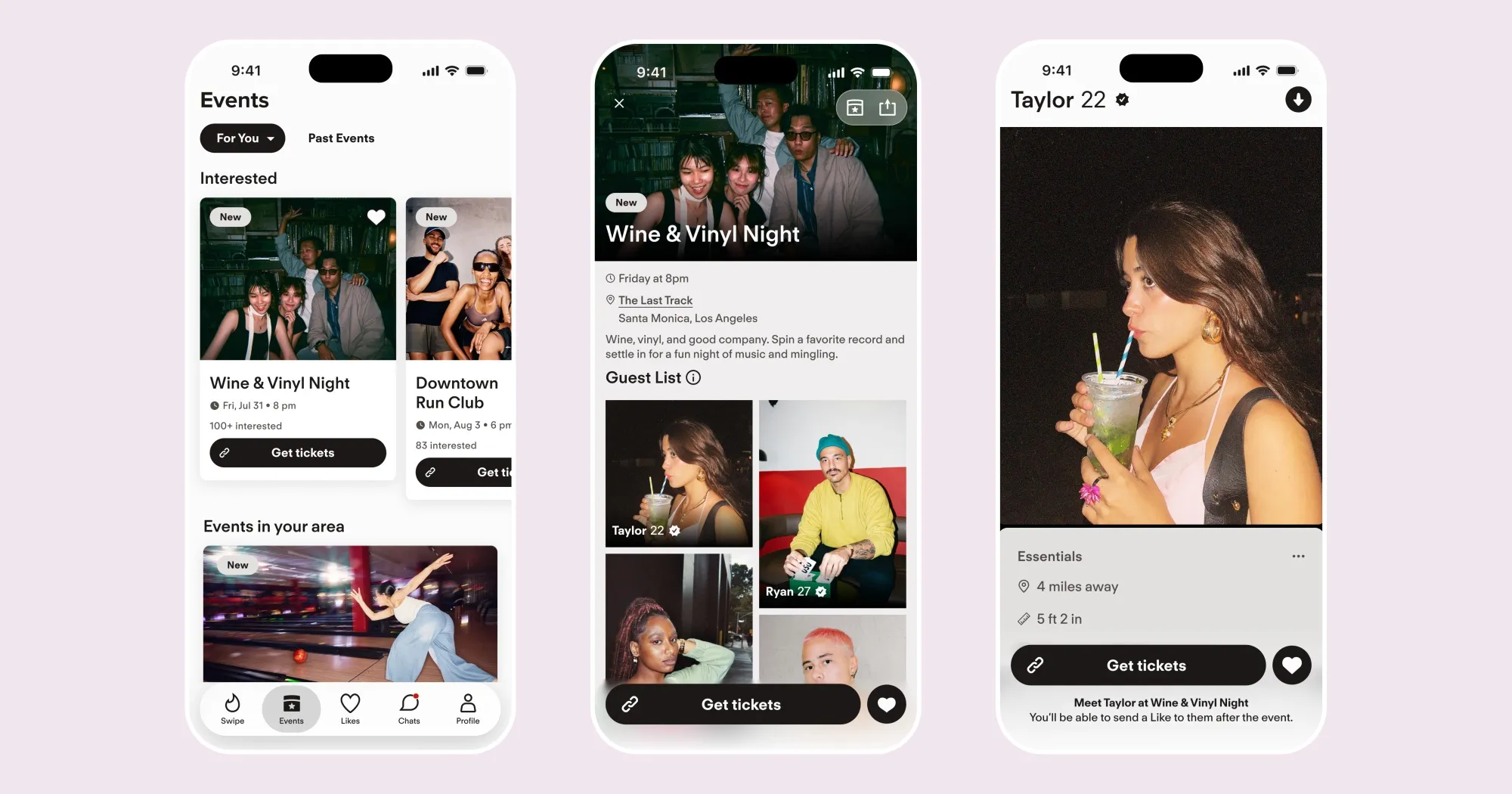
Tinder users in these cities will be able to view and purchase tickets for events that run the gamut from rooftop yoga to hiking excursions to brewery meetups. Daters can see ahead of time who else has marked themselves as interested in the event, and they can connect afterward with people who attended.
The app, whose audience is more than 50% under-30s, has been bleeding users amid a generational change in how young people approach dating. Under Chief Executive Officer Spencer Rascoff, who took the reins at Tinder parent Match Group Inc. last year with a mandate to get wary Gen Zers excited about online dating, the brand is seeking to be more than just a hookup app, betting not only on live events but also a redesign, artificial intelligence features, and group and double dating.
Mark Kantor, chief product officer at Tinder, said the company sought cities with diverse, ongoing activities where it could offer in-person events at least once a week.
“We are looking at market size and potential in a city but the really critical part of the strategy is partnering with existing providers for events that people already love,” Kantor said. “In the markets we identified, we’ve gone to those places because they have established venues, and we have high confidence that people will love attending those events.” Tinder is “not creating something from scratch,” he added, but “creating a Tinder event around it.”
Tinder has held more than 60 events to date in the Los Angeles area, which it views as a success particularly among younger daters. About 71% of younger Gen Z users — ages 18 to 24 — engaged with the in-app events tab, compared with 63% of users 25 and older. More than half of the people who visit the events tab visit it more than once, the company said.
Most daters who have attended Tinder events brought friends along, too. “People get ready with friends and go out with them, but dating has traditionally been a solitary experience,” Kantor said. “Even if someone doesn’t meet anyone at a live event, they get exercise and learn something new with their friends, so there’s a high likelihood that they had a good time.”
There are signs that Tinder’s turnaround strategy is working. In May, Match reported a 4% jump in first-quarter revenue, topping Wall Street estimates. On an earnings call at the time, Rascoff said the numbers are improving mainly because Tinder, which makes nearly all of its money through subscriptions and a la carte upgrades, “works better now” following a series of product enhancements. Match reports second-quarter results on Aug. 4.
Tinder is not alone in betting that online communities can be enhanced through more real-world interactions. Bumble Inc. has “Bumble IRL” events, which include fitness classes, mixers and other meetups for singles in various cities.

 点赞
点赞 收藏
收藏 点踩
点踩 分享
分享