1984: The Year the Walkman Went Global

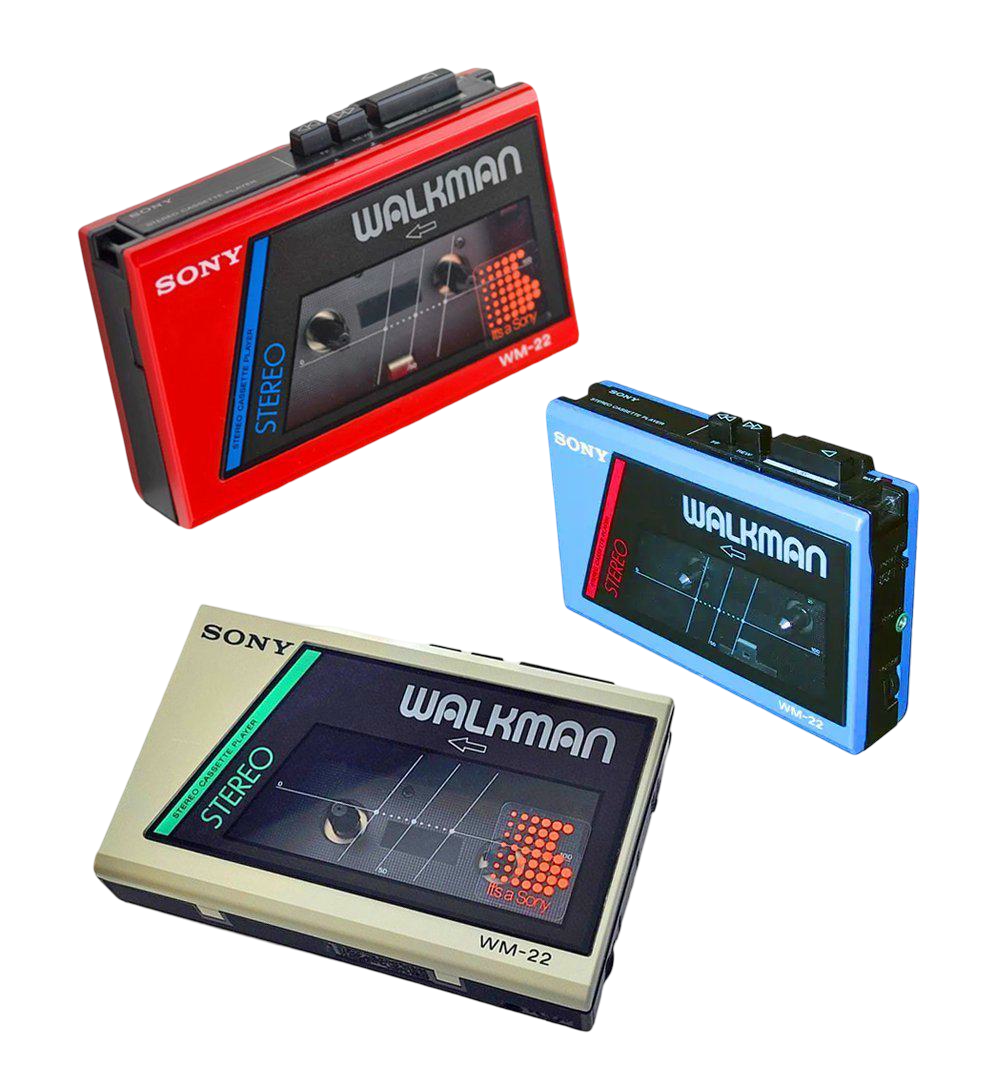
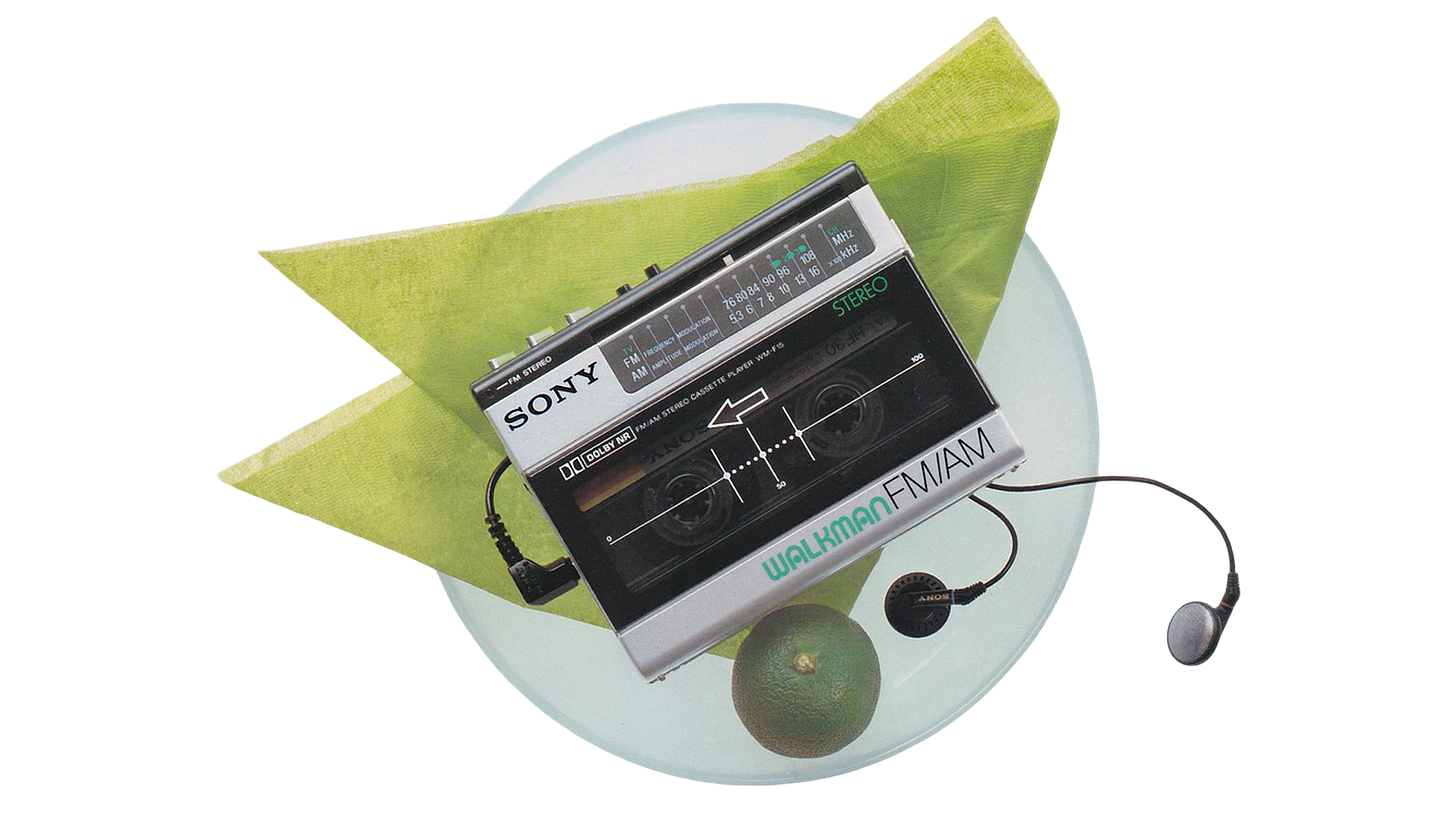
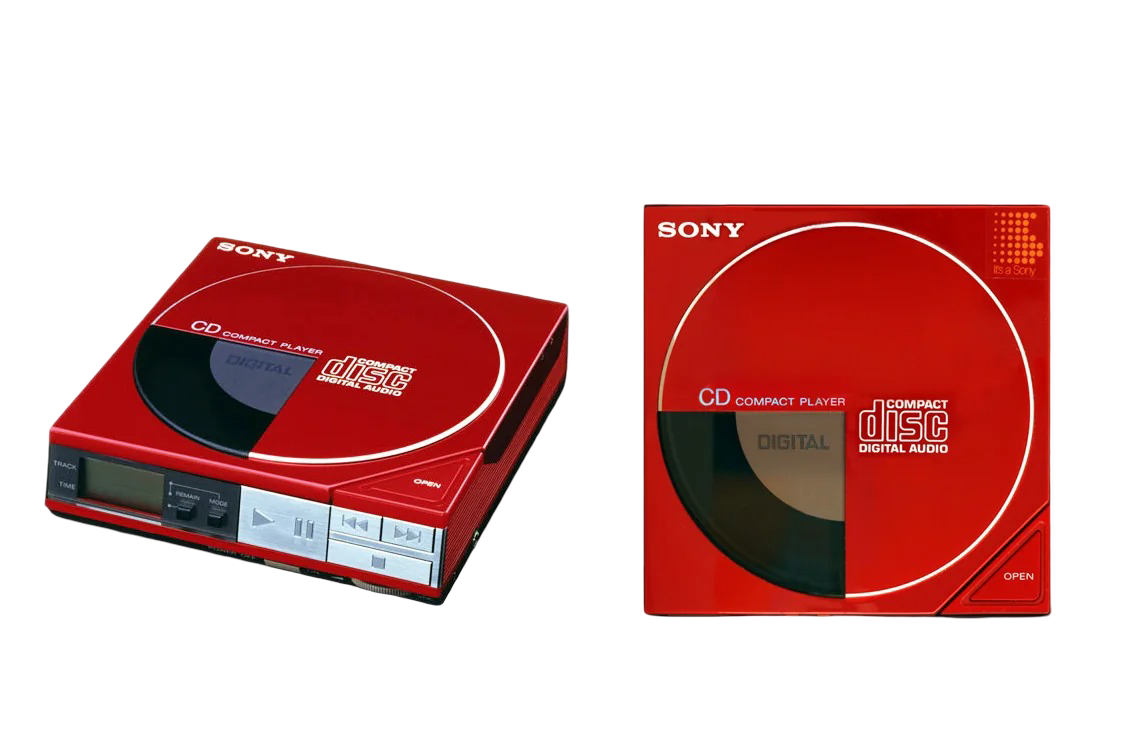
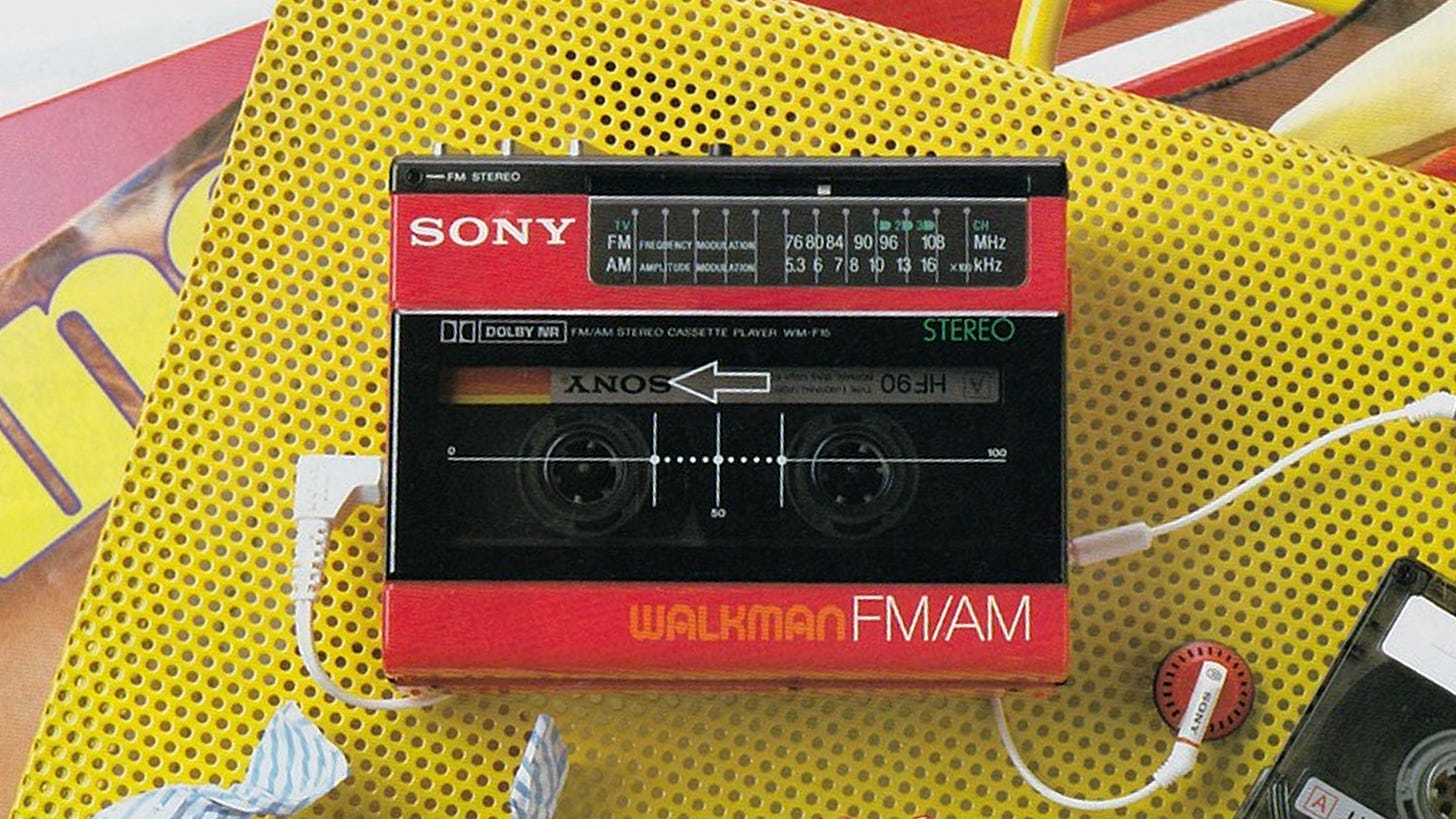
In 1982, Sony proved the Walkman could become more than a single cassette player. Recording, radio, direct drive, and electronic controls all arrived in quick succession, stretching the idea outward in terms of capability. In 1983, the company changed direction, reshaping the Walkman around form, context, and appeal, turning it into something smaller, more specialized, and more personal. By 1984, the shift is less visible but far more decisive, because instead of adding new functions or pushing design further, Sony begins changing who the Walkman is for.
That change does not center on one defining model. It shows up across the lineup. For the first time, a large part of the range is made up of simpler, more direct machines. Playback-only Walkmans with fewer features, lighter construction, and familiar cassette mechanisms that no longer need to prove anything new. Models like the WM-11 or WM-22 are not built to demonstrate engineering ambition. They are built to remove friction, making it easier for more people to own one without having to think too much about what makes it special.
Placed next to what Sony is still doing at the high end, the intent becomes clearer. In Japan, refinement does not slow down. Machines like the WM-DC2 and WM-D6C push cassette performance further, with direct-drive transports, quartz-locked speed control, and more advanced noise reduction systems that treat the Walkman less like a casual device and more like a compact audio component. These are not designed to move in large numbers. They exist to define what the format can do when taken seriously.
The contrast between those two directions did not exist in the same way before. On one side, the Walkman becomes easier to buy, simpler to understand, and easier to live with. On the other, it becomes more exact, more technical, and harder to surpass. That split follows the markets. Japan is ahead, both in terms of technology and what consumers are willing to spend, and it can absorb more ad…

 点赞
点赞 收藏
收藏 点踩
点踩 分享
分享