How 1983 Changed the Shape of the Walkman

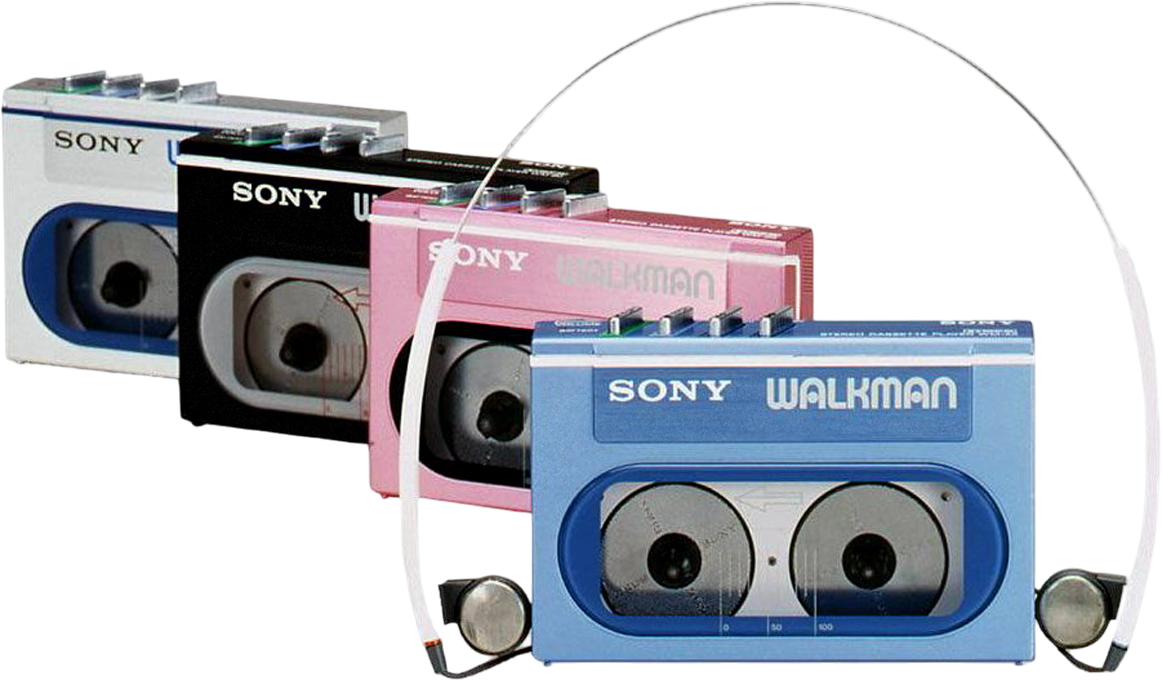
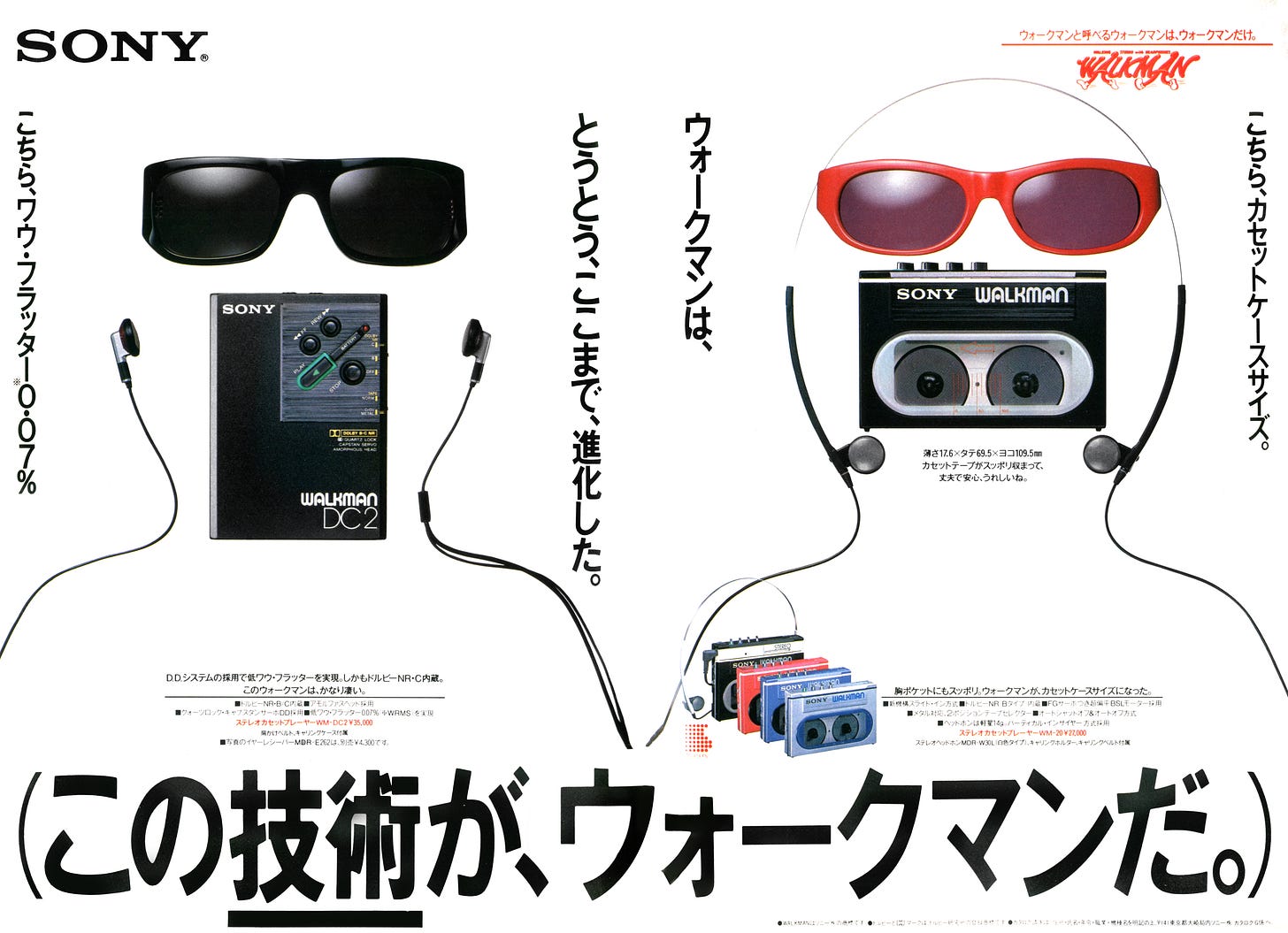
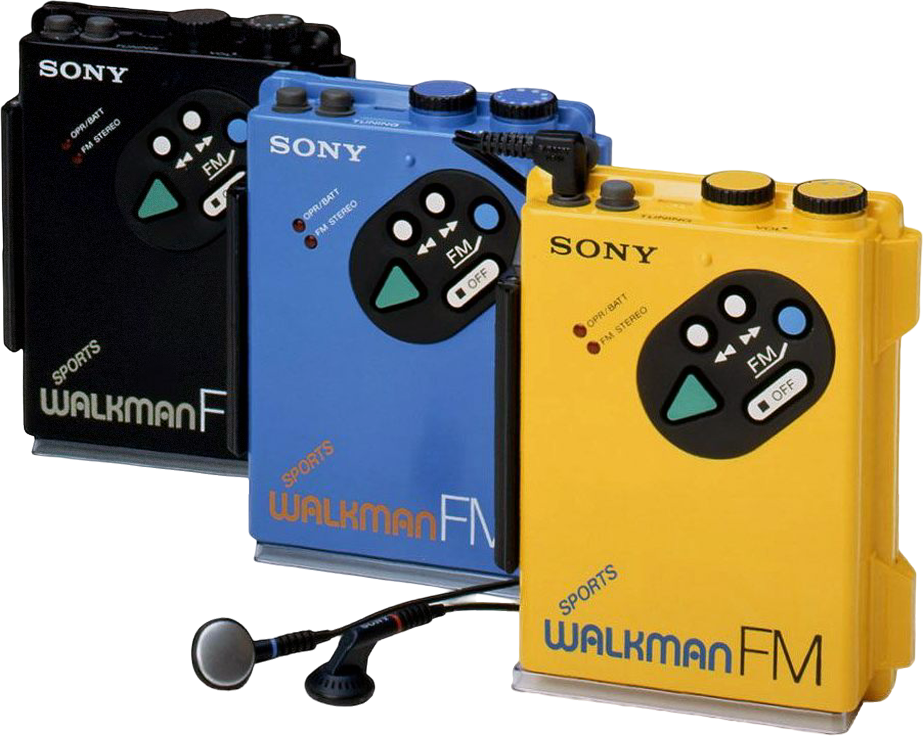
In 1982, Sony had already proven that the Walkman could become more than a single cassette player. Recording, radio, direct drive, and electronic controls had all entered the line in quick succession, stretching the idea outward in terms of capability. But in 1983, the company changed direction. Instead of adding major new functions, Sony began reshaping the Walkman around form, context, and appeal. The result was a lineup that felt less like one product evolving and more like the beginning of a new way of thinking about consumer electronics.
That shift is easy to miss if you only look at the year as a list of models. On paper, 1983 does not seem as technically dramatic as the year before. There was no new Disc Drive breakthrough, no new professional recorder, no major leap in function. What changed instead was the way Sony distributed the Walkman across everyday life. It became smaller, more specialized, and more visually distinct. That kind of refinement already sat more naturally inside Japanese consumer culture than it did in much of the West, where electronics were still often framed more bluntly around hardware and performance. The broad lifestyle DNA had been there from the start, but this is where Sony began breaking it into clearer forms.
The clearest sign of that change was the WM-20.
By 1983, Sony had already made the Walkman portable enough for most people. It could fit in a bag, clip to a belt, or travel easily. The WM-20 was not really about solving portability anymore. It was about pushing miniaturization into something almost theatrical. When closed, the machine was only slightly larger than a cassette case itself. Its sliding expandable mechanism made the whole thing feel improbable, with the battery compartment, head assembly, and transport components all moving together to preserve full cassette compatibility in a body that looked barely capable of containing one. The mechanism was not hidden behind the appeal. It was the appeal.
Sony was no…

 点赞
点赞 收藏
收藏 点踩
点踩 分享
分享