1985: The Walkman at the Birth of Discman

Between 1982 and 1984, Sony expanded what a portable player could do, reshaped what it should feel like, and scaled the Walkman into something that could exist everywhere at once. By 1985 that system was no longer forming. It was already in place.
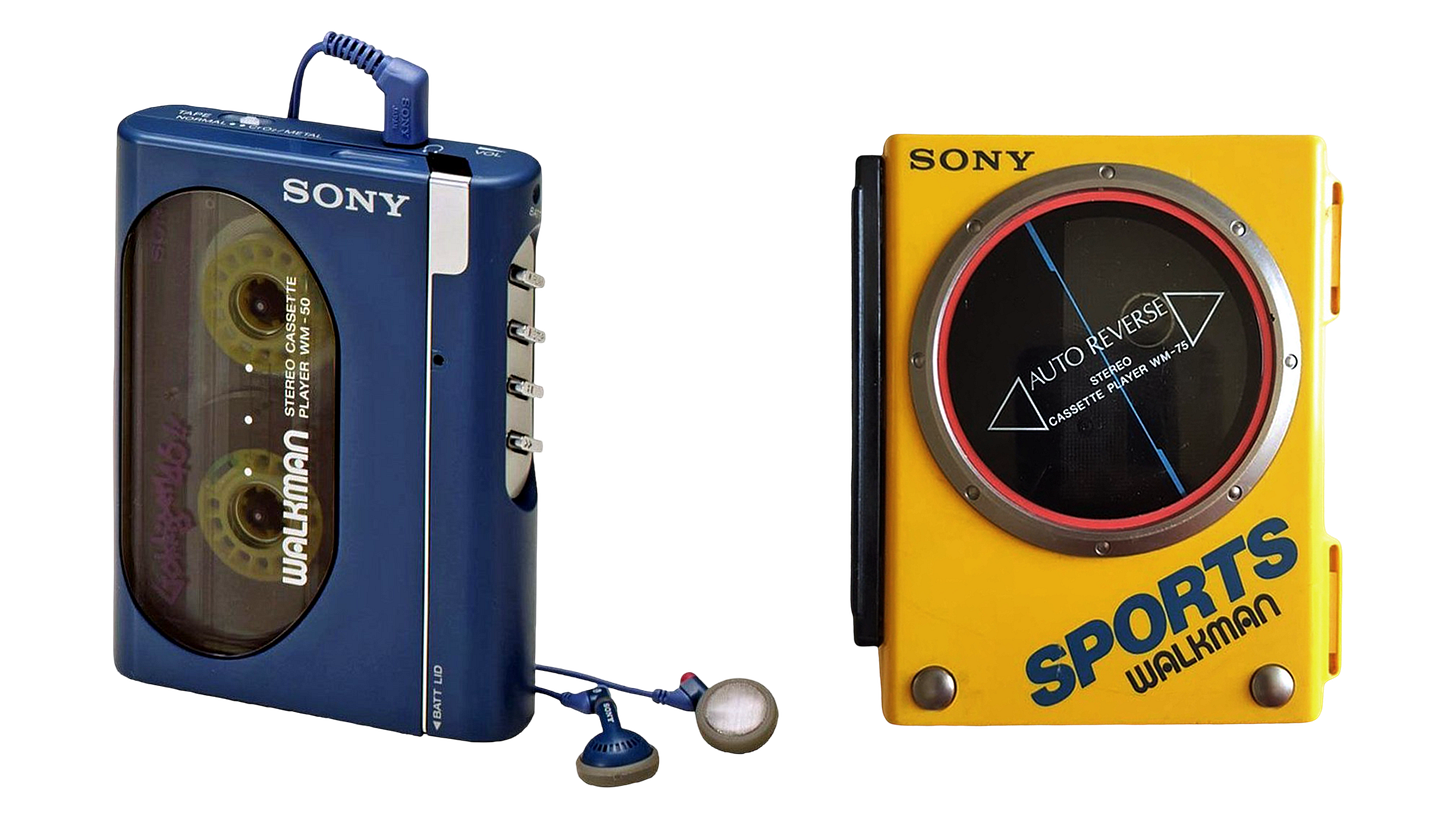
The Walkman did not move toward a final version. It spread outward and settled into distinct roles, and the differences between models began to be more important than any sense of progression. A player like the WM-50 adjusted the form, softening the edges and making it easier to carry over long periods of time, while the WM-75 took the same foundation into outdoor use, where movement and weather were expected rather than avoided.
What this created was not a ladder of better machines, but a field of solutions. Each model sat in place without displacing another, covering a range that was already complete. By that point, you did not need to see every model to understand the line. The types were already familiar, and the differences between them reflected use rather than novelty.
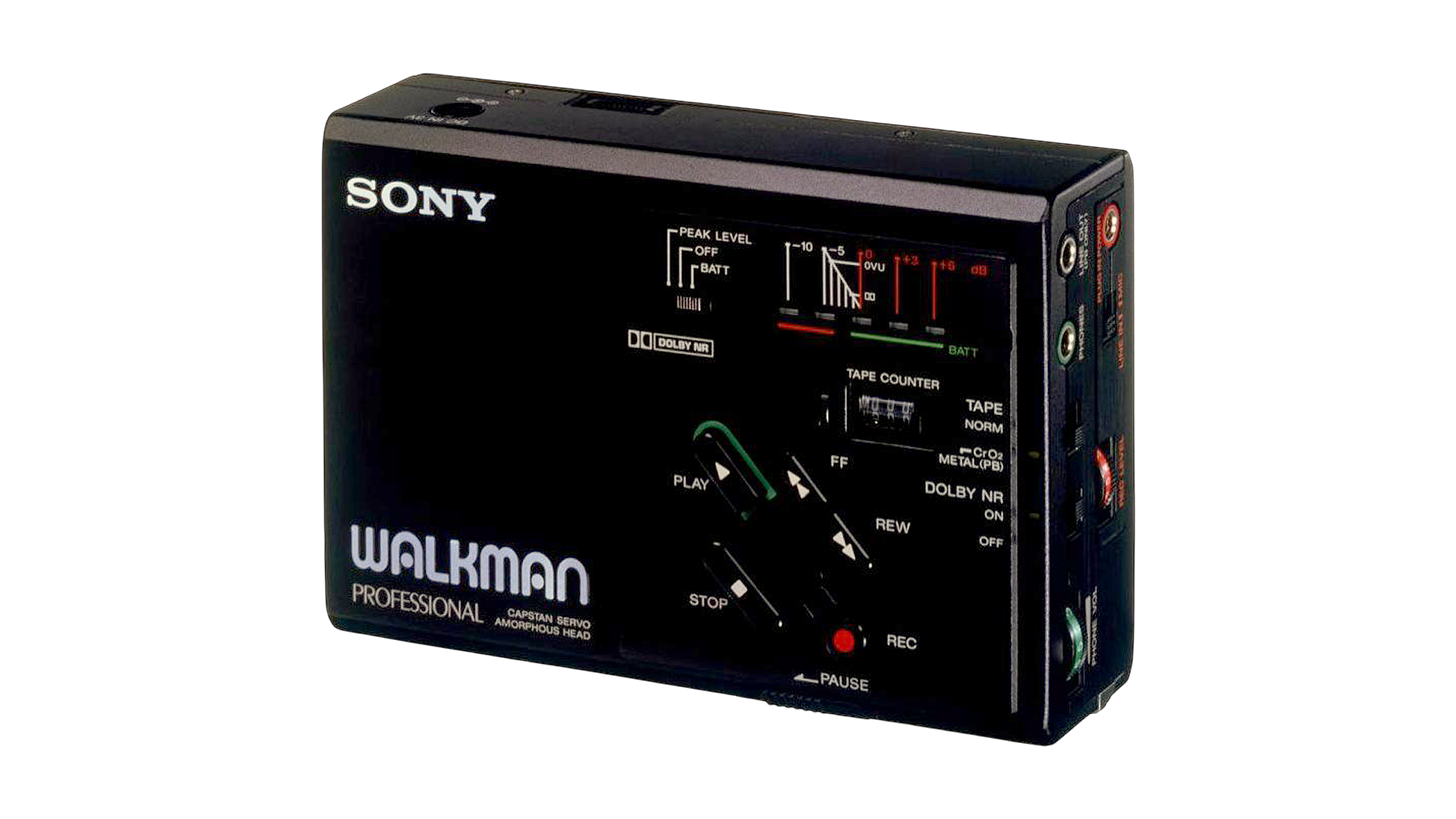
The high end followed the same logic. The WM-D3 carried a professional approach into a portable form, with manual level control and a structure derived from Sony’s higher-end equipment.
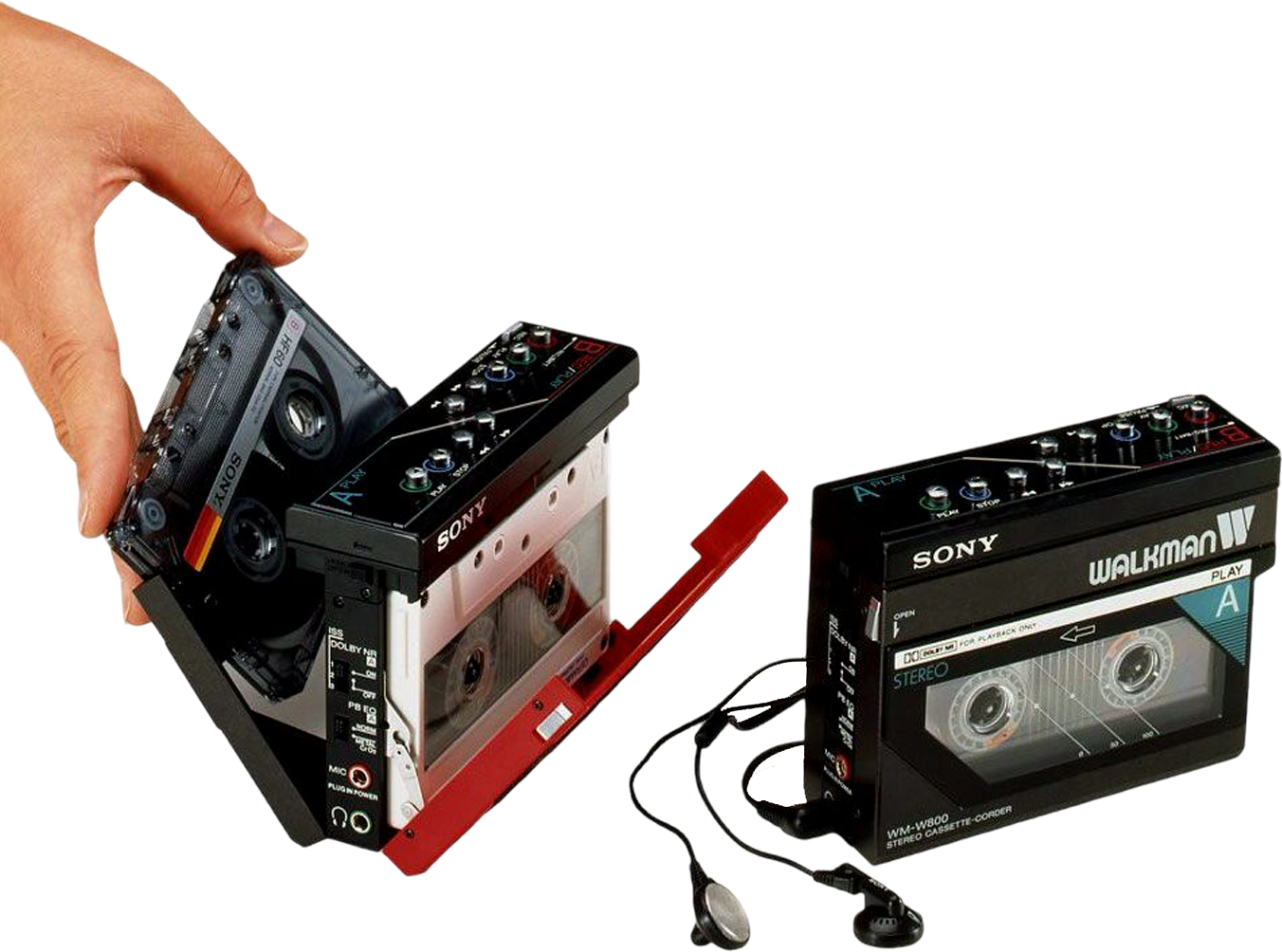
Even the outliers fit within that structure. The WM-W800, built around duplicating tapes directly, reflected a behavior that already existed rather than introducing a new one. It only made sense in a format that was still being used actively.
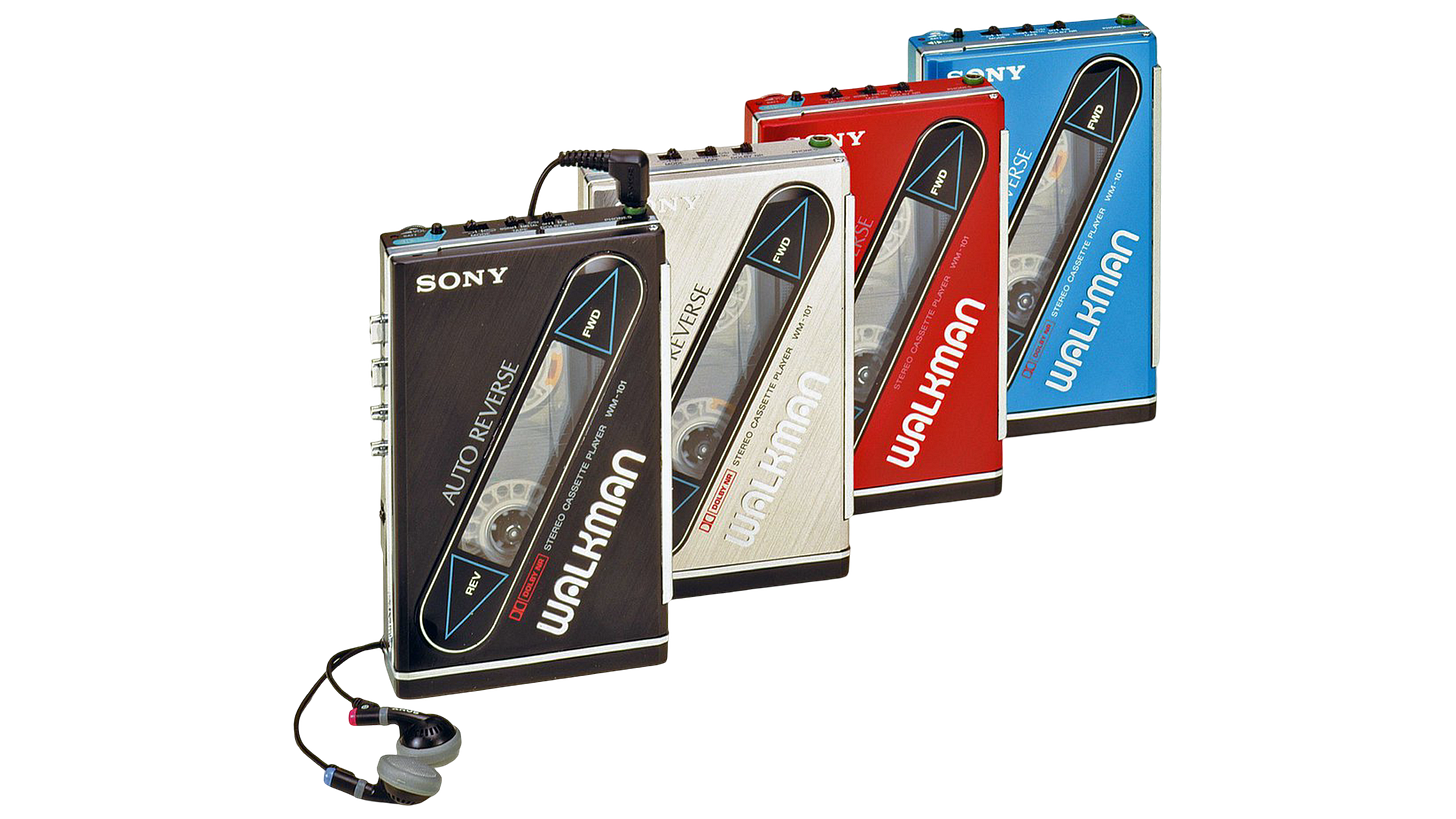
Some of the most important changes were less visible. The WM-101 did not present itself as a breakthrough, but it stopped compromising. A slim rechargeable battery paired with an AA backup reduced thickness in a way that felt permanent, giving the player a form that could be repeated and refined rather than continually reworked.
Across all of this, the pattern established between 1982 and 1984 became clearer. Playback, recording, movement, and manipulation were all addressed within the same format, each one solved in hardwa…

 点赞
点赞 收藏
收藏 点踩
点踩 分享
分享