How Sony Engineered the PlayStation 2

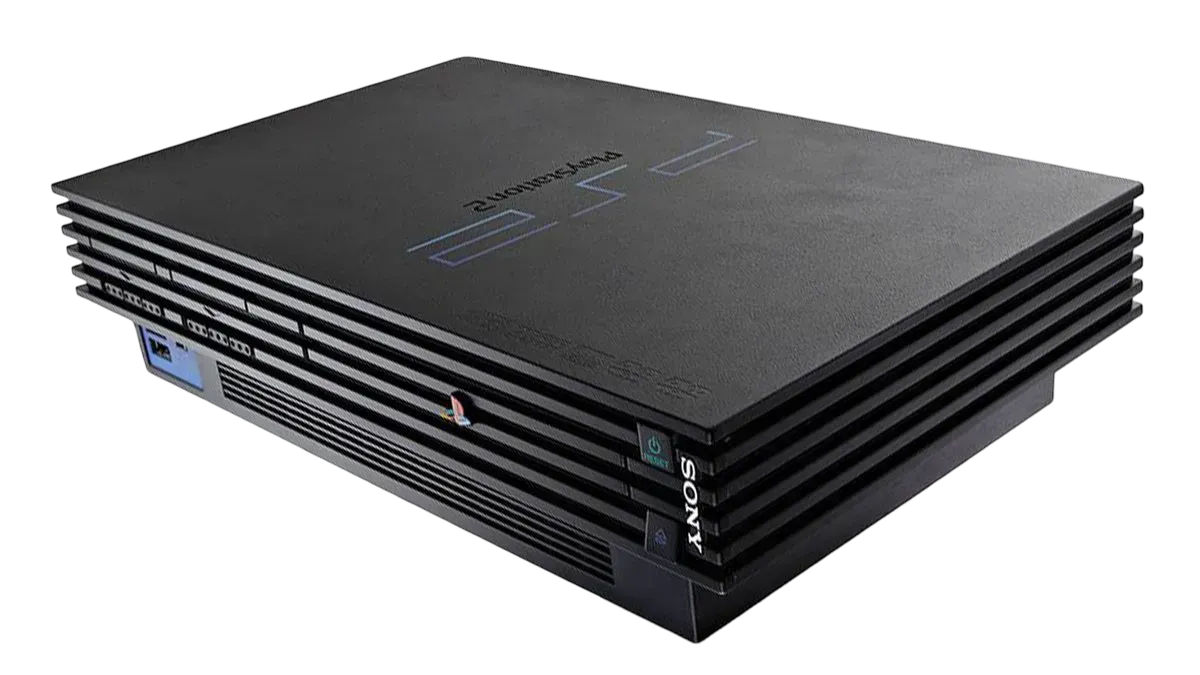
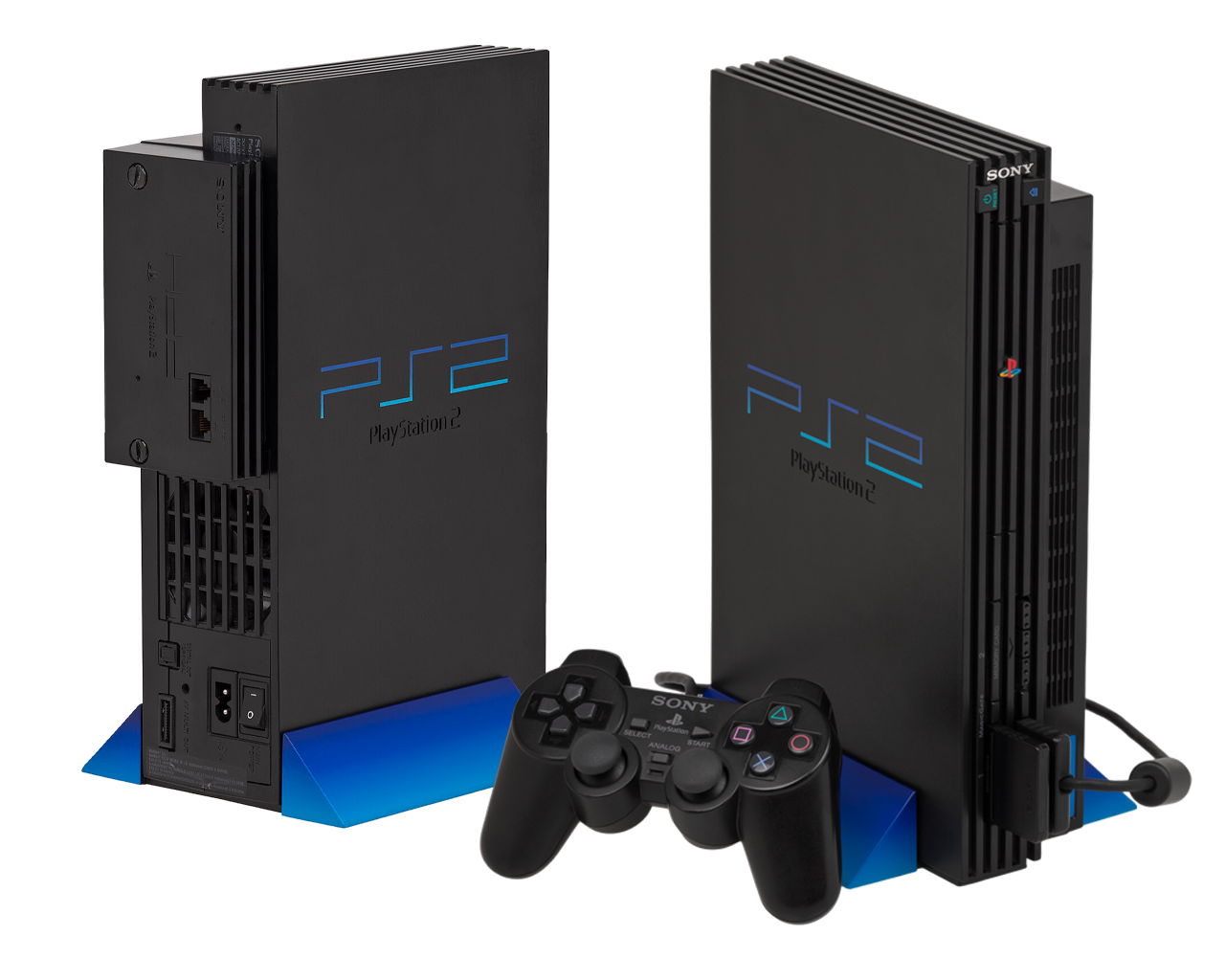
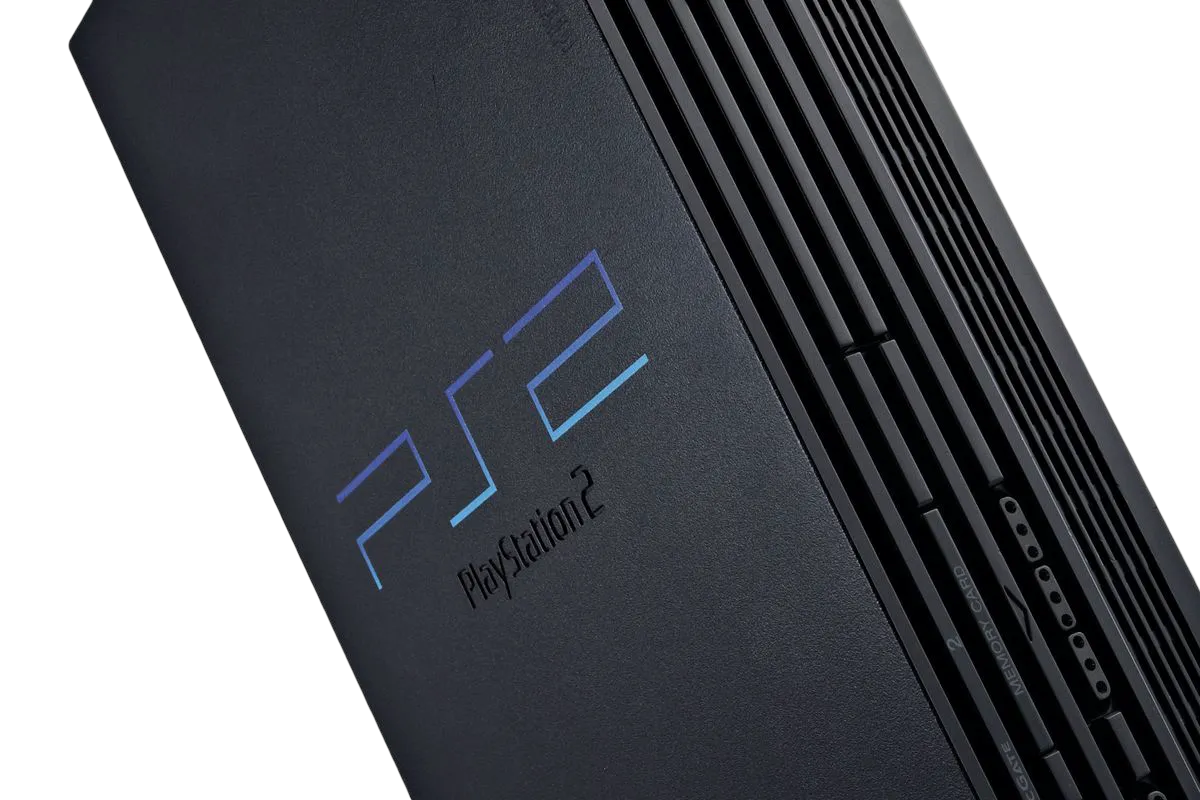
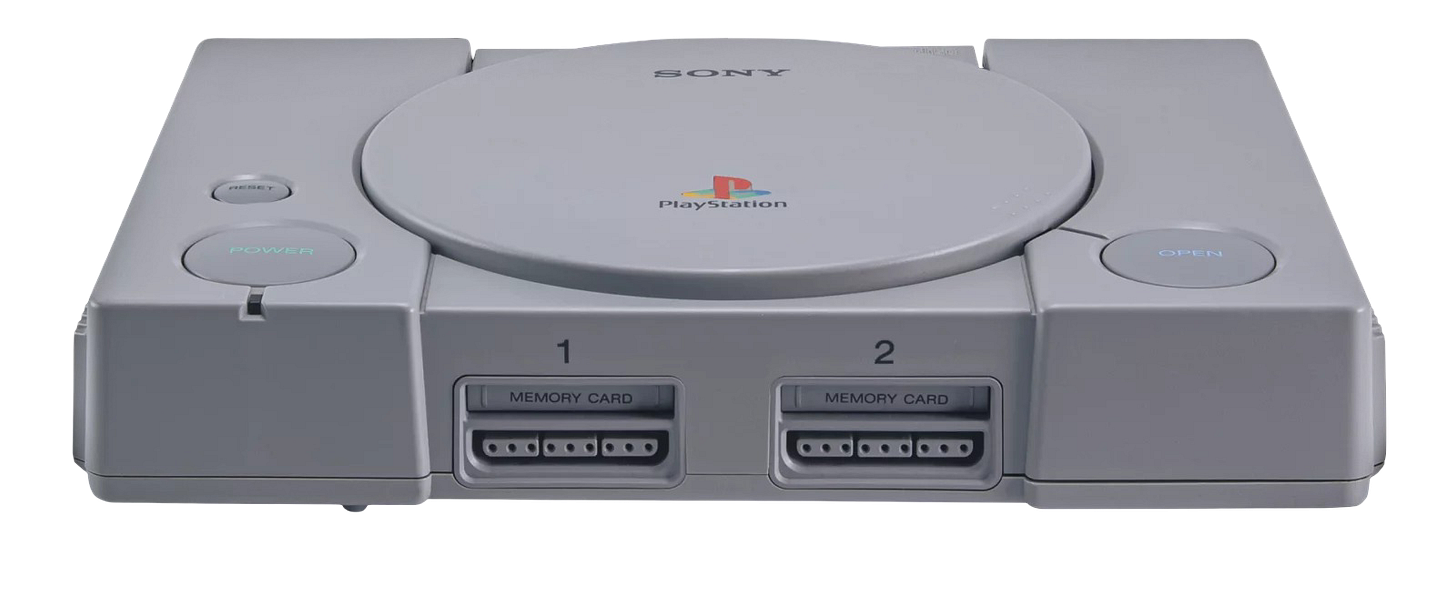
The PlayStation 2 could not be designed like a normal successor.
By the late 1990s, the original PlayStation had accumulated thousands of games and tens of millions of users. Sony was no longer entering the console business. It was responsible for an established platform, and starting over would mean abandoning one of its greatest advantages.
The new console needed to run those existing games while offering an obvious leap in performance. It also needed to play DVDs, and be affordable enough to manufacture by the millions. The project reflected the culture Ken Kutaragi had built around PlayStation, where performance targets were established before anyone knew exactly how they would be reached.
One of Sony’s most important decisions was to develop a custom graphics processor instead of relying on an outside supplier.
The resulting Graphics Synthesizer was built around extreme memory bandwidth. Its video memory sat beside the graphics circuitry in the same package and was connected through thousands of internal signal lines. Pixel data could move far more quickly than it could across a conventional external memory bus.
This gave the PS2 exceptional fill-rate performance. It could repeatedly redraw large areas of the screen using transparency, particles, motion blur, and layered effects. Games such as Gran Turismo 3, Metal Gear Solid 2, and Zone of the Enders used that strength to produce images far denser and more fluid than those of the previous generation.
But the Graphics Synthesizer had little video memory and was notoriously difficult to program. Developers could not approach it like a conventional PC graphics processor.
Performance created a more immediate problem: heat.
The original PlayStation 2 consumed close to 80 watts. Yasuhiro Otori, one of the engineers responsible for its mechanical design, later compared the challenge to putting a soldering iron inside the enclosure.
Only three engineers were responsible for the PS2’s mechanical design. Otori…

 点赞
点赞 收藏
收藏 点踩
点踩 分享
分享