Build intelligent Android apps: Integrate into Android's intelligence system using AppFunctions

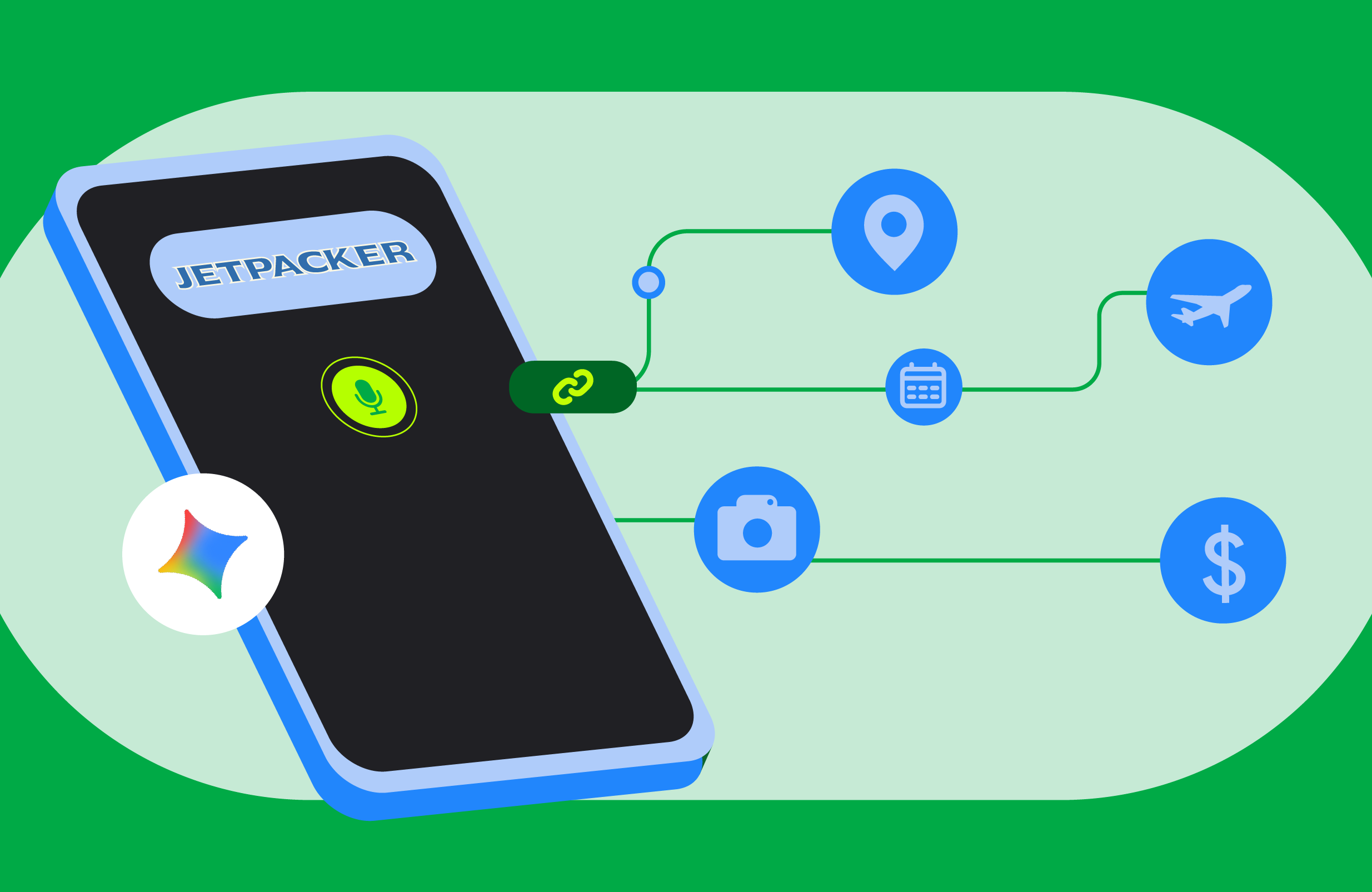



Posted by Ben Weiss, Senior Developer Relations Engineer, Android Developer Relations
Welcome back to the blog post series " Build intelligent Android apps " where we take a basic Android app and transform it into a personalized, intelligent, and agentic experience. In our previous post, we explored how to leverage Firebase AI Logic to build cloud-hosted and hybrid AI features. Traditional mobile UIs excel at focused, hands-on tasks, and the Android intelligence system is introducing complementary features to make complex, multi-step actions even easier. By supplementing traditional user interfaces, AppFunctions provide a powerful new entry point: A privileged agent on the device can access app features in the background. This can be particularly helpful when users are driving, walking or otherwise multitasking.
In this article, we'll show you how we designed and integrated these capabilities into our travel planning app, JetPacker, using Android AppFunctions. We'll explore the rationale behind our feature choices, discuss the specialized tooling we used to accelerate development, and dive into the code that makes it all work.
Designing AI-ready features: making choices that matter for your users
To select which features to provide to the intelligence system, we looked for tasks where a voice or text command is objectively faster than tapping through screens. In this side-by-side screen recording you can see this contrast perfectly: on the left, a user tapping through multiple screens to log an expense; on the right, the same task completed instantly in the background via a privileged agent.
Our first choice was expense tracking. Logging a coffee expense during a trip usually takes quite a few taps—unlocking the phone, opening the app, finding the active trip, navigating to the expenses tab, tapping the add button, taking a picture of the receipt, and checking the result. By providing the addExpense and getExpenses features as AppFunctions, the system agent ha…

 点赞
点赞 收藏
收藏 点踩
点踩 分享
分享