James Webb Space Telescope discovers the secrets of cosmic 'factories' that filled the early universe with stardust

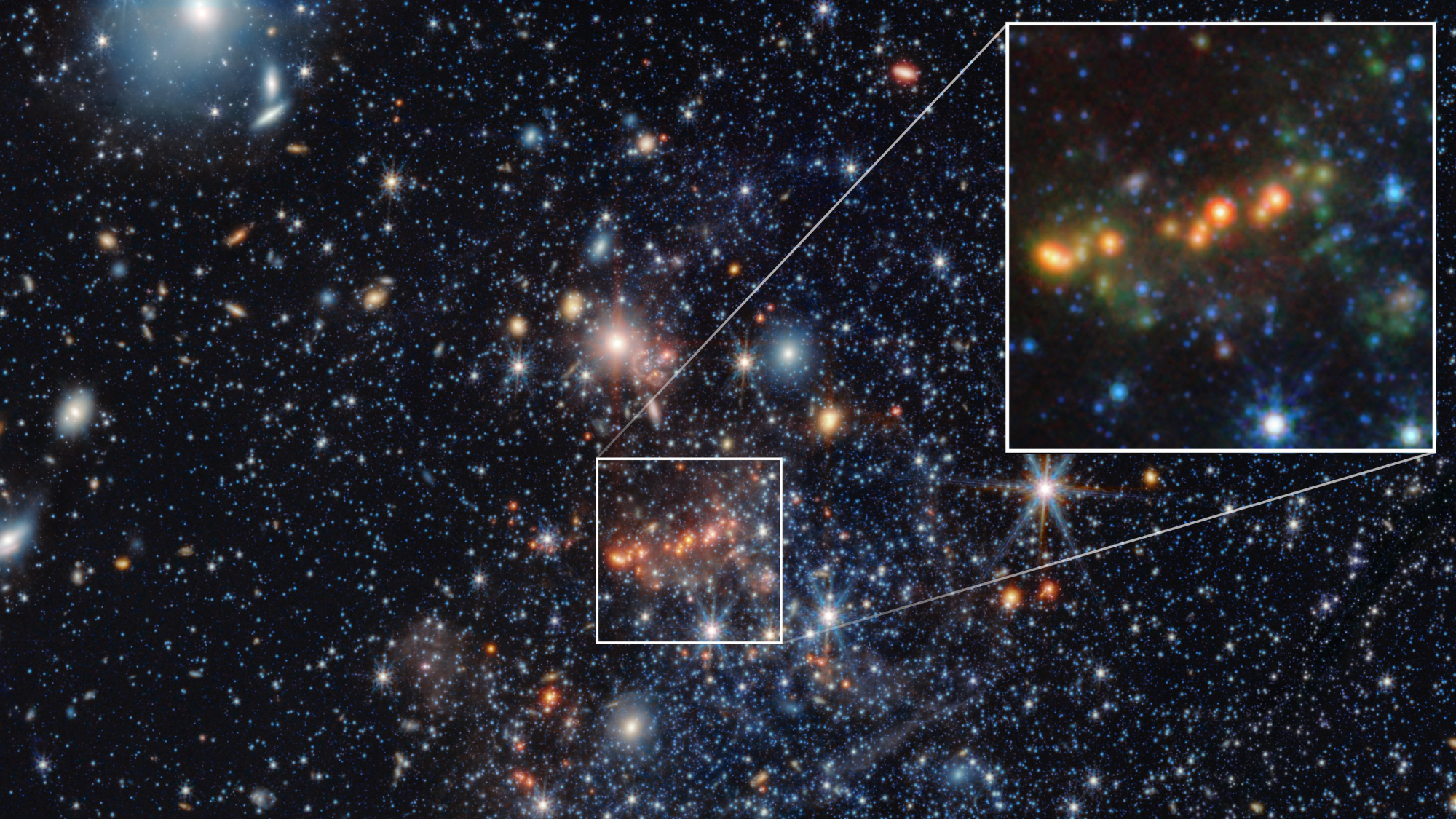
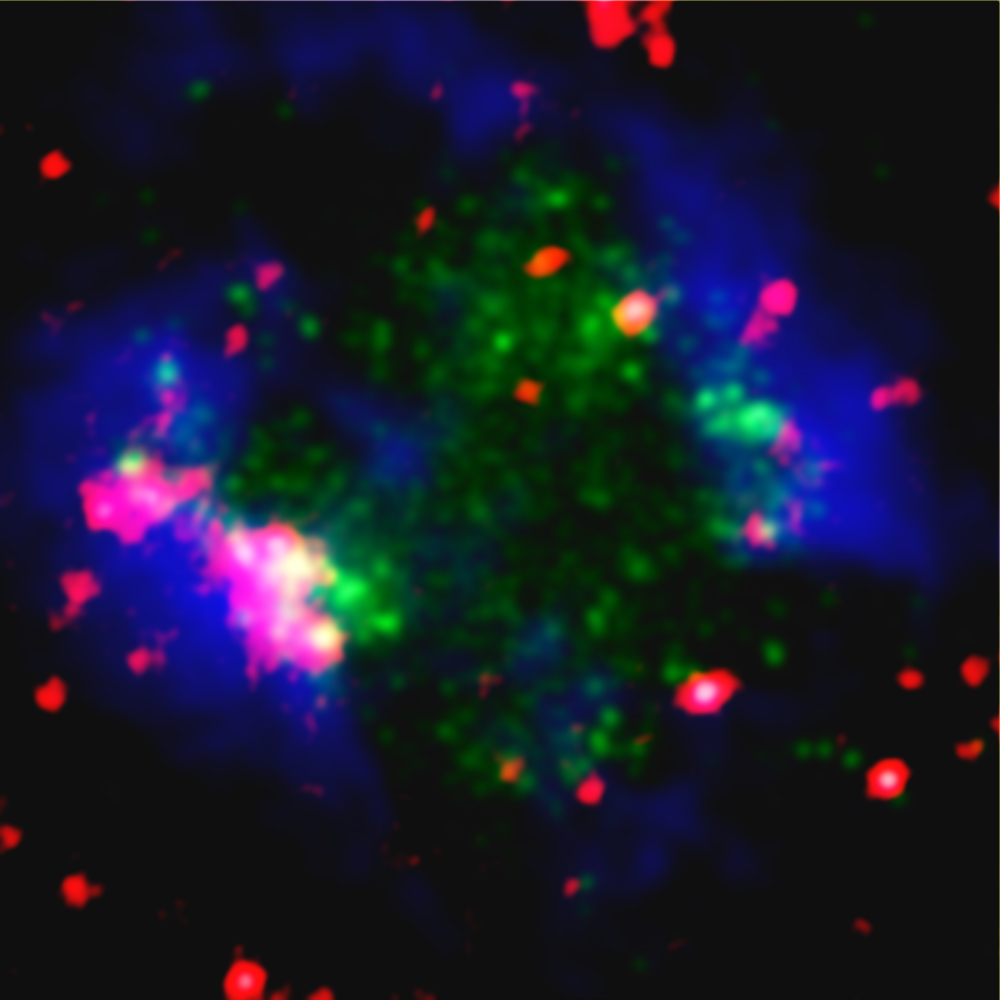
Using the James Webb Space Telescope (JWST), astronomers have discovered the secrets of early galaxies that pumped the infant cosmos full of dust, which would become vital for the birth of new stars and the growth of galaxies.
However, while the JWST is powerful enough to see many of these early galaxies, it is still limited when it comes to delving into them in great detail. So, the team at the heart of this research worked around this by studying a much closer and more modern galaxy with many characteristics that resemble the universe's first galaxies.
In lieu of being able to study the processes that occurred in the early universe that allowed galaxies to be seeded with "metals, (the term astronomers use to describe elements heavier than hydrogen and helium), the researchers turned their attention to a dwarf galaxy just 4.6 million light-years away.
"Directly studying the galaxies that populated the early universe is still very difficult, which is why observing a nearby galaxy like Sextans A, which presents similar chemical conditions, offers us a precious opportunity to understand how the first generations of stars evolved and what role they played in transforming the interstellar medium," team leader Claudio Gavetti of the National Institute for Astrophysics (INAF) said in a statement.
How does Sextans A impersonate ancient galaxies?
The early universe was a pretty dull place in terms of chemistry. That is because it was dominated by the lightest element, hydrogen, with some helium and a tiny smattering of heavy elements, or metals. That means that the first generation of stars, so-called POP III stars, were correspondingly metal-poor.
During their lives, however, POP III stars fused hydrogen and helium in their cores to forge heavier elements. When these original stars reached the ends of their lives, they exploded in supernova explosions that dispersed these metals into the interstellar medium, the vast clouds of dust and gas between stars.
Eventually…

 点赞
点赞 收藏
收藏 点踩
点踩 分享
分享