Mega Review: DJI Power 1000 1024Wh Portable Power Station + Accessories

I’ve taken quite an interest in power stations recently, being the logical bigger-brother extension to power banks, as they offer users a neat way to tote around a reasonable amount of energy and make that usable for most mains-powered devices. This definitely has applications, especially when the power goes out, or for supplying power on-location in the field, or for load-shifting.
DJI is a brand most commonly known for their cameras and drones, but it seems they’re also in the business of power stations as well. Thanks to a certain cashback offer, I was able to pick up several DJI Power 1000 (V1) units for around AU$0.50/Wh, which is the “going rate” for power stations, generally speaking. The promise of DJI quality with three-year warranty (although the DJI website apparently offers five for those purchased through their site) for the price seemed reasonable. After all, DJI must have some nous when it comes to batteries – drones are one of those applications that are very demanding.
So, is the DJI Power 1000 any good? I test mine to find out.
Unboxing
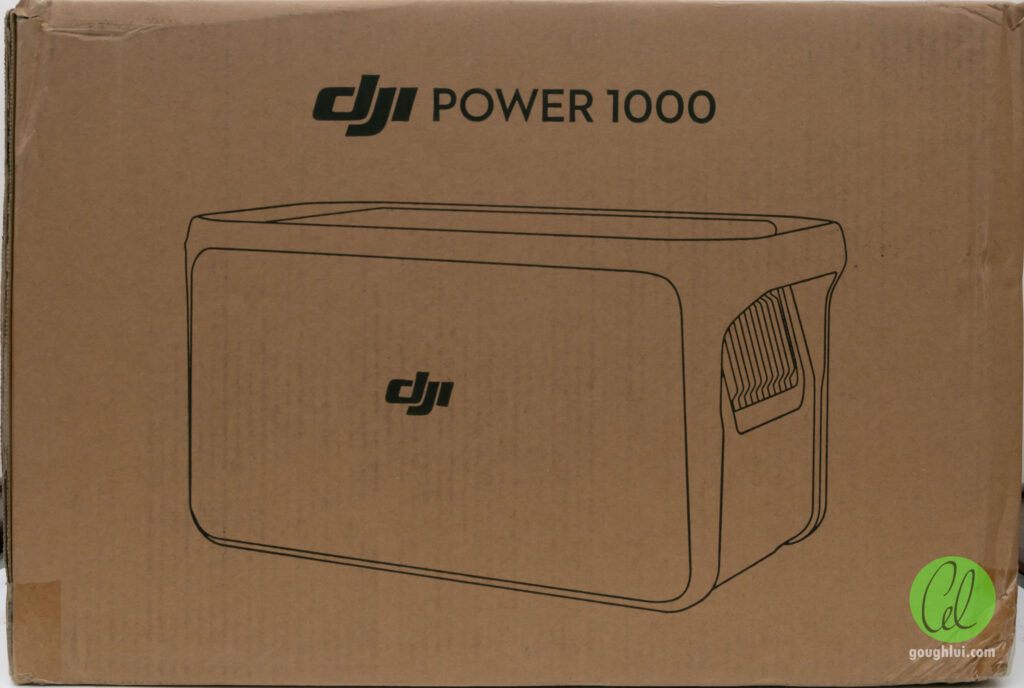
The unit arrived in a slightly soiled, natural cardboard-coloured box with black line-art printing.
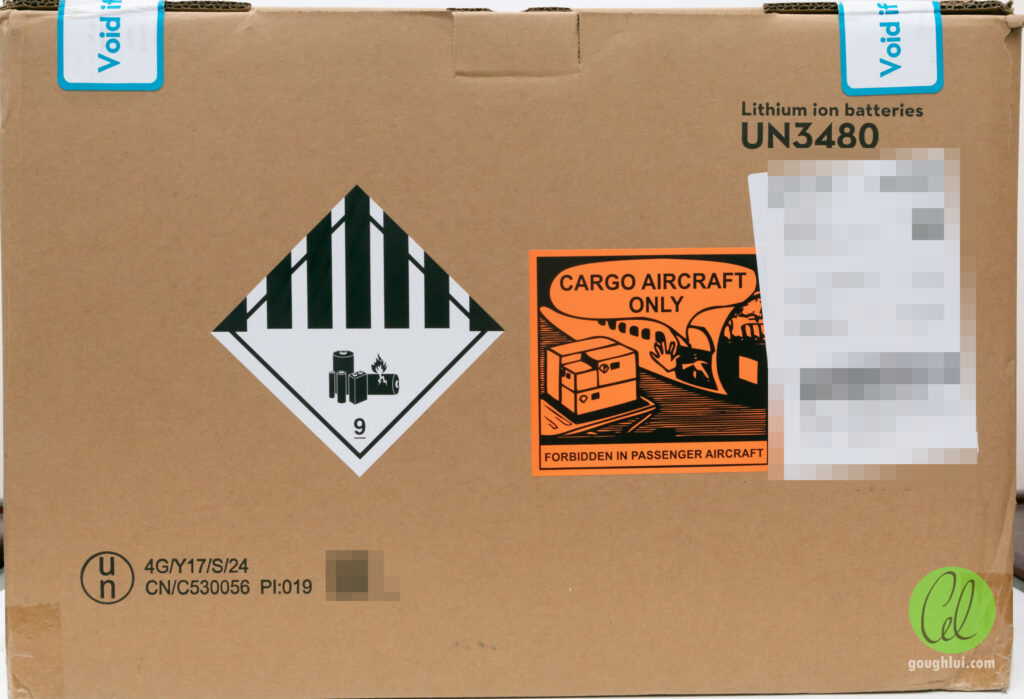
It is labelled for dangerous goods with cargo aircraft only limitation. The box has plastic seal labels over the openings to ensure integrity.
Based on the labels on the box, it seems this unit dates from August 2024 and was sold mid-2026. This suggests the stock has been sitting in the channel for a while, but the discounted price certainly helps to shift stock.
Complete specifications are provided on the label. Key specifications include 220-240V 50/60Hz 10A maximum input, SDC/SDC Lite input of 400W maximum (32-58.4V/8A max), inverter output of 230V 2200W maximum, USB-A output of 24W maximum, USB-C output of 140W maximum, SDC/SDC Lite output of 240W maximum (9-27V) and an internal battery of 51.2V 20Ah for 1024Wh capacity. It comes marked with the Australian RCM, making it compliant for sale in Australia.
T…

 点赞
点赞 收藏
收藏 点踩
点踩 分享
分享