The iPad mini is running out of reasons to exist


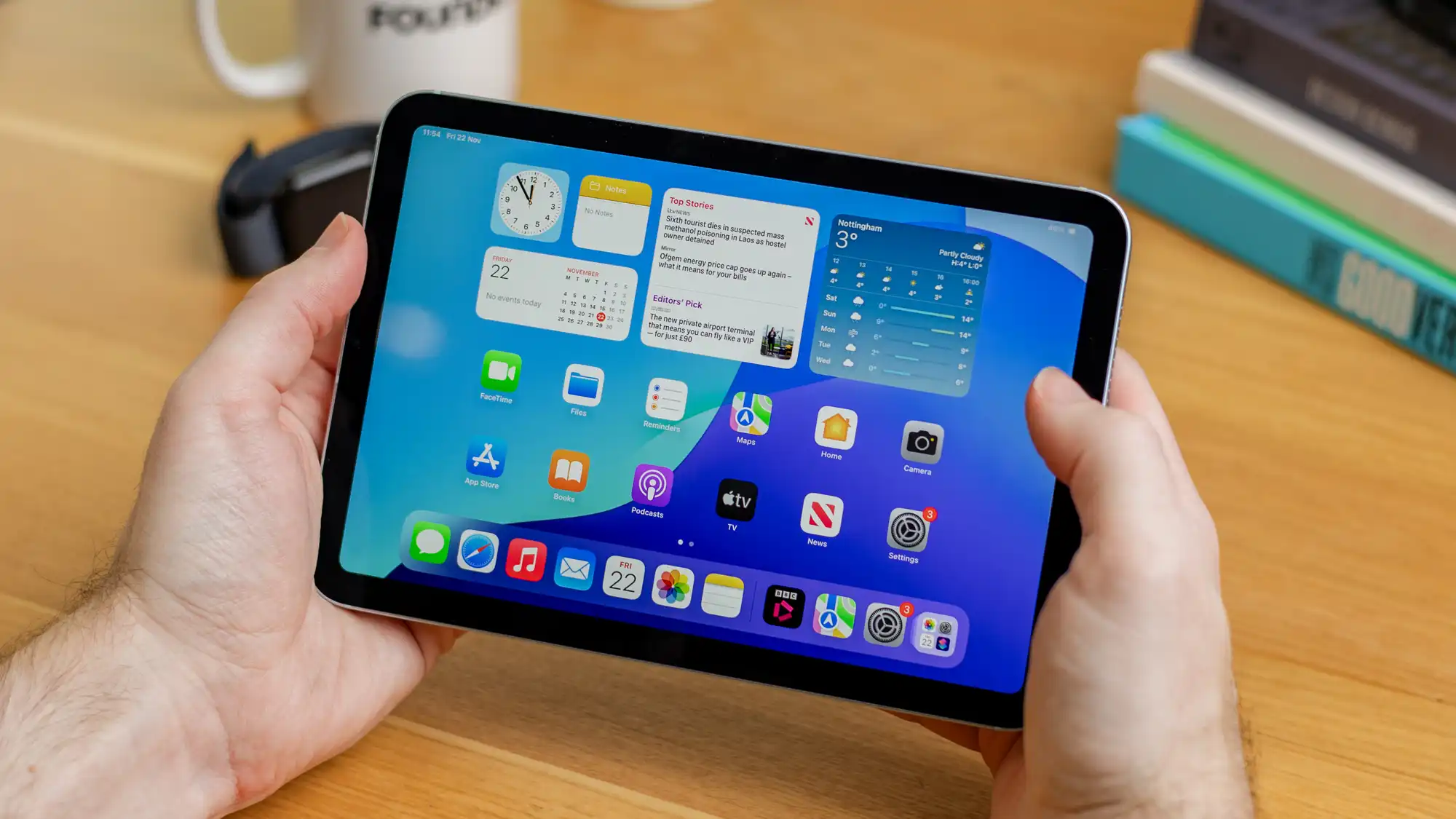
When it first launched, the iPad mini wasn’t just small. It was also cheap. This made its selling point extremely easy to understand, which is important in the tablet space. If you want a big screen and a fast processor, inexperienced customers were told, go for the full-size iPad 4. Otherwise, save your money and get a more portable mini.
Over the years, the mini’s appeal has become more complicated, and these days it’s more difficult to recommend. Not just because the product has been neglected by Apple, which hasn’t released an update since fall 2024 and hasn’t released a proper update since fall 2021. It’s mainly because there are now alternatives which surpass the mini in almost every way, including price.
The original iPad mini cost $329 in fall 2012, the equivalent of $477 in today’s money. Yet the 7th-gen iPad mini now starts at $599. Inflation has been bad, but not that bad, as demonstrated by the standard mid-size iPad decreasing from $499 in 2012 to $449 today. In essence, Apple has switched the places of its two cheapest iPads, turning the 8.3-inch mini into a mid-market device with mid-market features, while the basic 10.9-inch iPad has become the budget option.
This might not have been a problem if the iPad mini wasn’t crowded out by other choices. But despite being offered an ingenious roadmap for free, Apple has so far resisted the temptation to simplify the iPad range, making life incredibly hard for inexperienced customers, who make up a large proportion of the tablet market.
There are four iPad sub-brands, one of which is just “iPad” so you don’t know if someone is talking about the brand or the range as a whole. One of these sub-brands comes with or without special glass, two in multiple sizes, and all four in multiple colors and storage capacities. There are three separate 11-inch models and it isn’t obvious at a glance which is best for a user’s needs. And the different iPads all follow different irregular update cycles. It’s a m…

 点赞
点赞 收藏
收藏 点踩
点踩 分享
分享