Moonshot’s Kimi K3 May Be More About Memory Than Compute

Moonshot’s Kimi K3 May Be More About Memory Than Compute 图片 1
Moonshot’s Kimi K3 May Be More About Memory Than Compute 图片 2

A Kimi logo at the Moonshot AI stand during the World AI Conference (WAIC) in Shanghai on July 18.

When DeepSeek’s R1 debuted in early 2025, almost $600 billion was wiped out from Nvidia Corp.’s market value in a single day on fears that artificial intelligence would require less computing power than previously expected. Moonshot AI’s release of Kimi K3 on Friday triggered a similar reaction, helping push semiconductor stocks sharply lower.

The comparison, however, may overlook an important distinction. While models such as Kimi K3 are designed to use computing resources more efficiently, they still require enormous amounts of memory to operate, a dynamic that could continue to support demand for companies including SK Hynix Inc., Taiwan Semiconductor Manufacturing Co. and Nvidia Corp.

READ MORE: What Is Moonshot AI and Why Is It Roiling Markets?: Explainer

Kimi K3 contains 2.8 trillion parameters, China’s largest model yet, pushing the sparsity ratio to a record. A higher ratio means fewer parameters are activated for each task relative to the model’s total size, making it more compute-efficient per token.

A parameter is just a number stored in memory. Even after compressing the model using lower-precision data formats, Kimi K3’s parameters occupy roughly 1.4 terabytes of memory. K3 adoption will itself create demand for memory-rich silicon upgrades such as Nvidia’s Blackwell GB300. Computing is a recurring operating expense that rises with every user request. Memory, on the other hand, is infrastructure that must be installed upfront, allowing many users to share the same hardware over time.

READ MORE: China’s Moonshot Plans IPO in Six Months After AI Breakthrough

Another milestone is approaching. On July 27, Moonshot plans to release Kimi K3’s model weights publicly, allowing companies to run the model themselves instead of accessing it through Moonshot’s cloud service. While the software will be freely available, organizations seeking to deploy it at scale will still need significant AI hardware.

Meanwhile, Alibaba Group Holding Ltd. also unveiled its Qwen 3.8-Max preview over the weekend, a 2.4 trillion-parameter model performing alongside leading frontier models — though it has yet to publish benchmark results. As Chinese AI developers increasingly tailor their models to domestic chips, the country’s hardware ecosystem could stand to benefit. The optimism helped lift China’s tech-heavy ChiNext Index by as much as 3.6% on Monday.

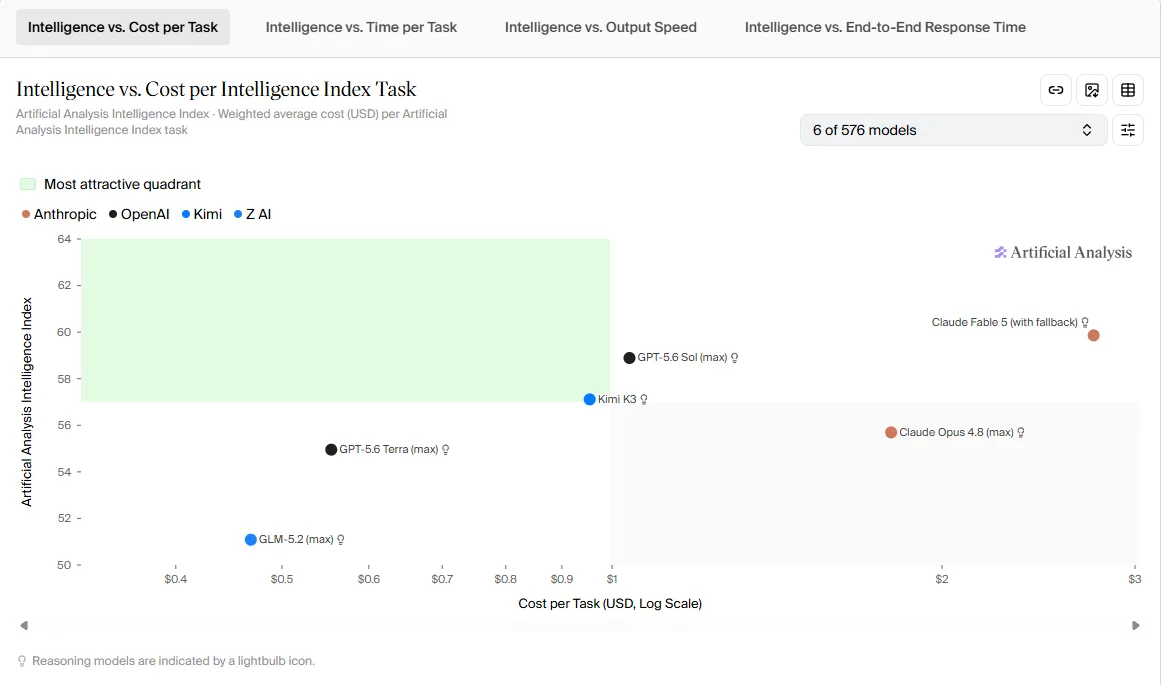
Together, the releases suggest competition in advanced AI models is broadening beyond US frontier labs such as OpenAI and Anthropic PBC. That could put pressure on the pricing power of the US model providers, while continuing to drive investment in the infrastructure needed to run increasingly capable AI systems.

添加评论
点赞收藏
点踩分享查看原文
评论
?
参与讨论