Prysmian Signs $6.3 Billion Molex Deal for Data-Center Gear


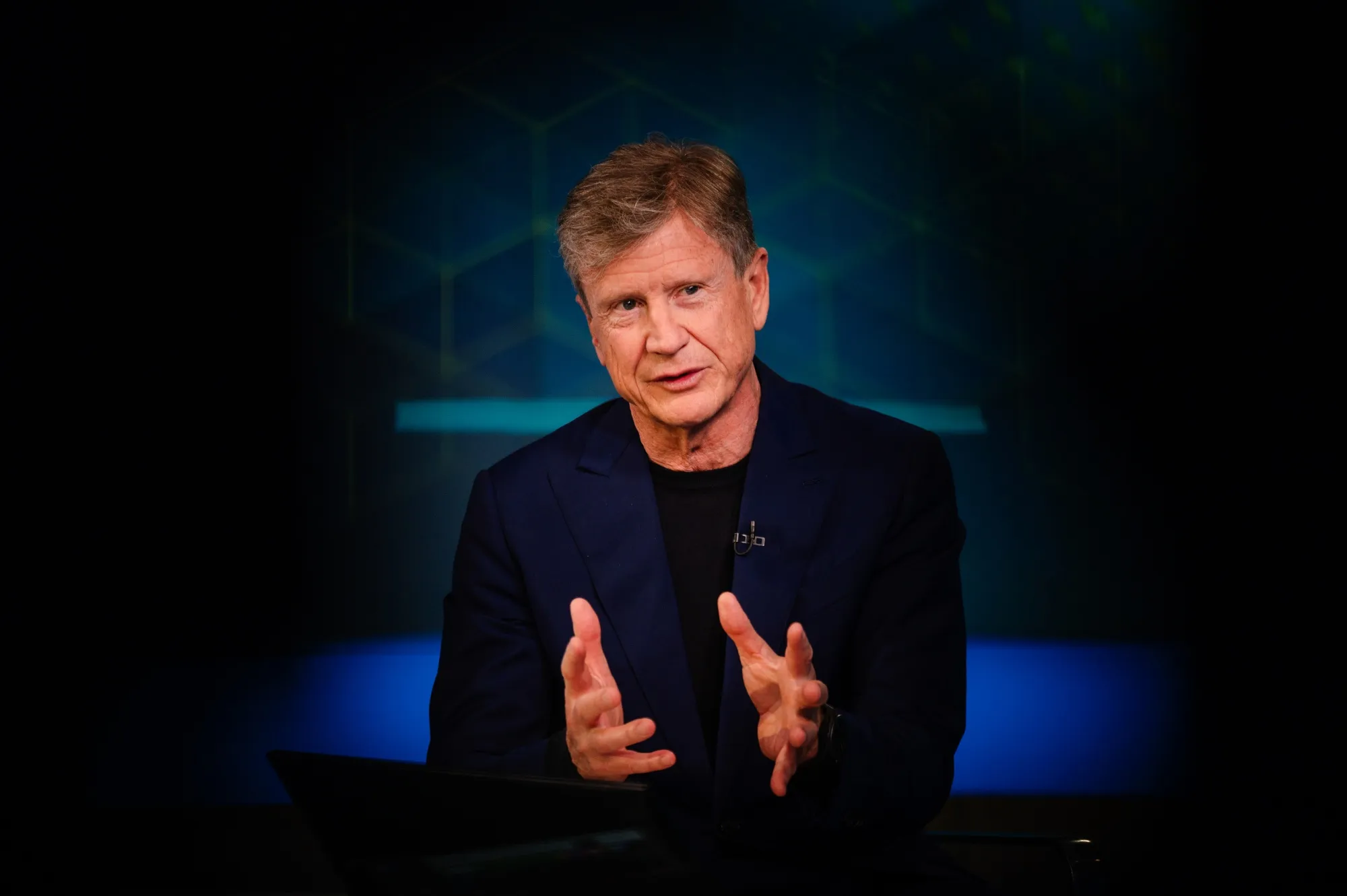
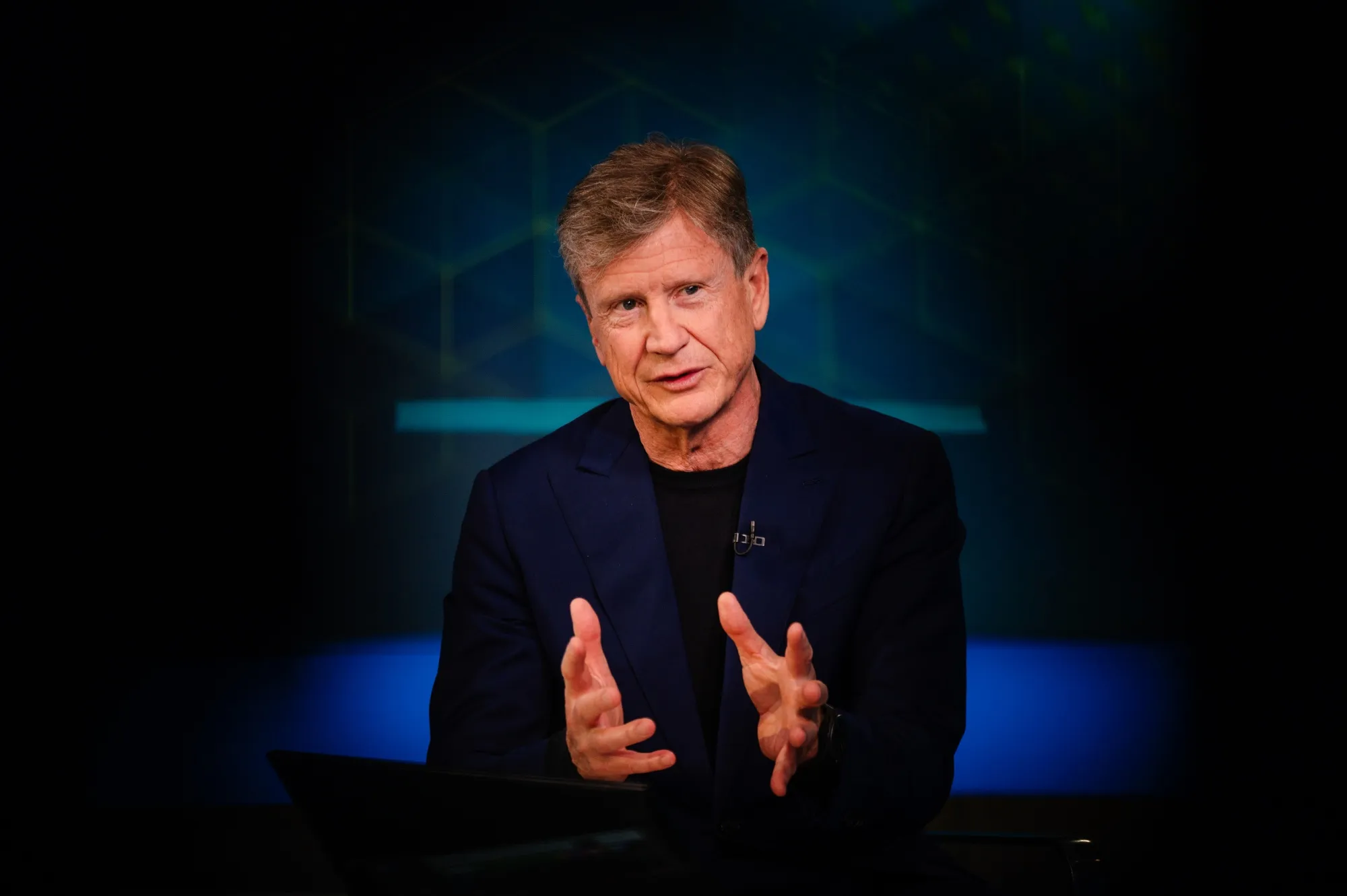
Massimo Battaini
Prysmian SpA signed a deal worth as much €5.5 billion ($6.3 billion) with Koch Inc.’s Molex to supply optical cables to data centers, tapping into the surge in investment in artificial-intelligence infrastructure.
The agreement is part of a set of initiatives with big tech firms and data-center infrastructure providers that Milan-based Prysmian expects to reap €10 billion in additional revenue up to 2035. That includes as much as €1.1 billion of annual income starting in 2031, the company said Monday in a statement.
It plans to invest €1.25 billion to ramp up manufacturing of optical cables and fiber in the US and Europe, which will more than double fiber capacity in America, it added.
Prysmian shares jumped as much as 6.1% on Tradegate before the start of regular trading. Chief Executive Officer Massimo Battaini said the deal and related investment will strengthen the company’s advantage in data centers and benefit all parts of its business — including upgrading electricity grids, supplying electrical-cable solutions and expanding in submarine telecom rollout.
He called it “transformative” for the Italian company’s Digital Solutions unit. The agreement follows two large acquisitions, also in the US.
Read More: Prysmian Buys Encore Wire for €3.9 Billion, Its Largest Deal
Two years ago, he led the purchase of Encore Wire for almost €4 billion, the biggest deal in the company’s history, which was followed by Channell about a year later, for around €1 billion, to broaden the US push.
Prysmian is on the lookout for potential acquisitions of about $4 billion enterprise value, Battaini has said. The company is also considering whether to pursue a dual listing in the US, but hasn’t decided yet whether to proceed.
Battaini flagged in April that the company was nearing long-term accords with hyperscalers, expected to boost its optical cable capacity by 40% to 50% in the next couple of years.
“Investment will be higher than $1.2 billion over the next three years, for a revenue stream of around $5 billion plus,” he told Bloomberg TV.