The Trump Administration’s Dubious Case for Work Requirements

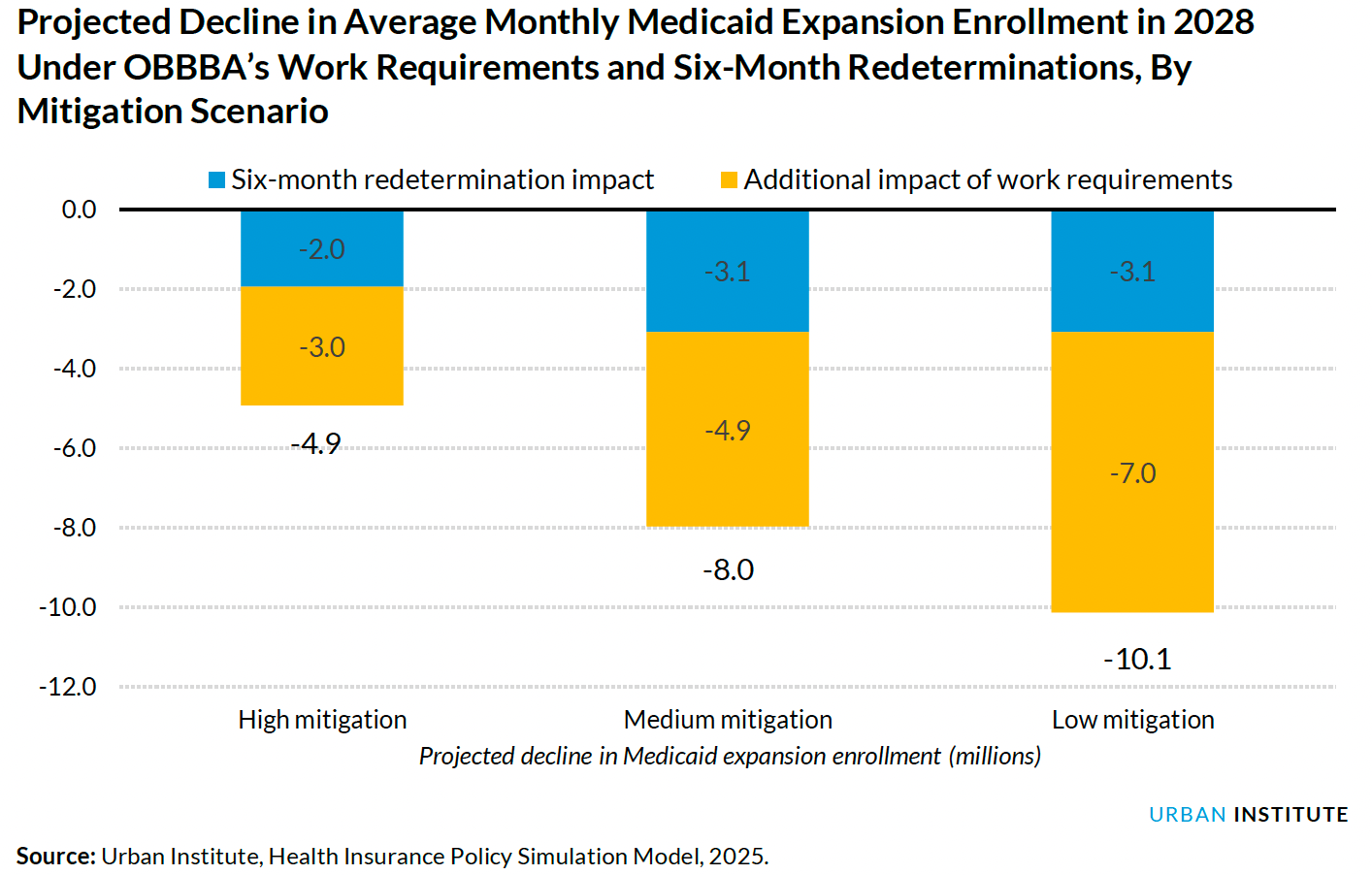
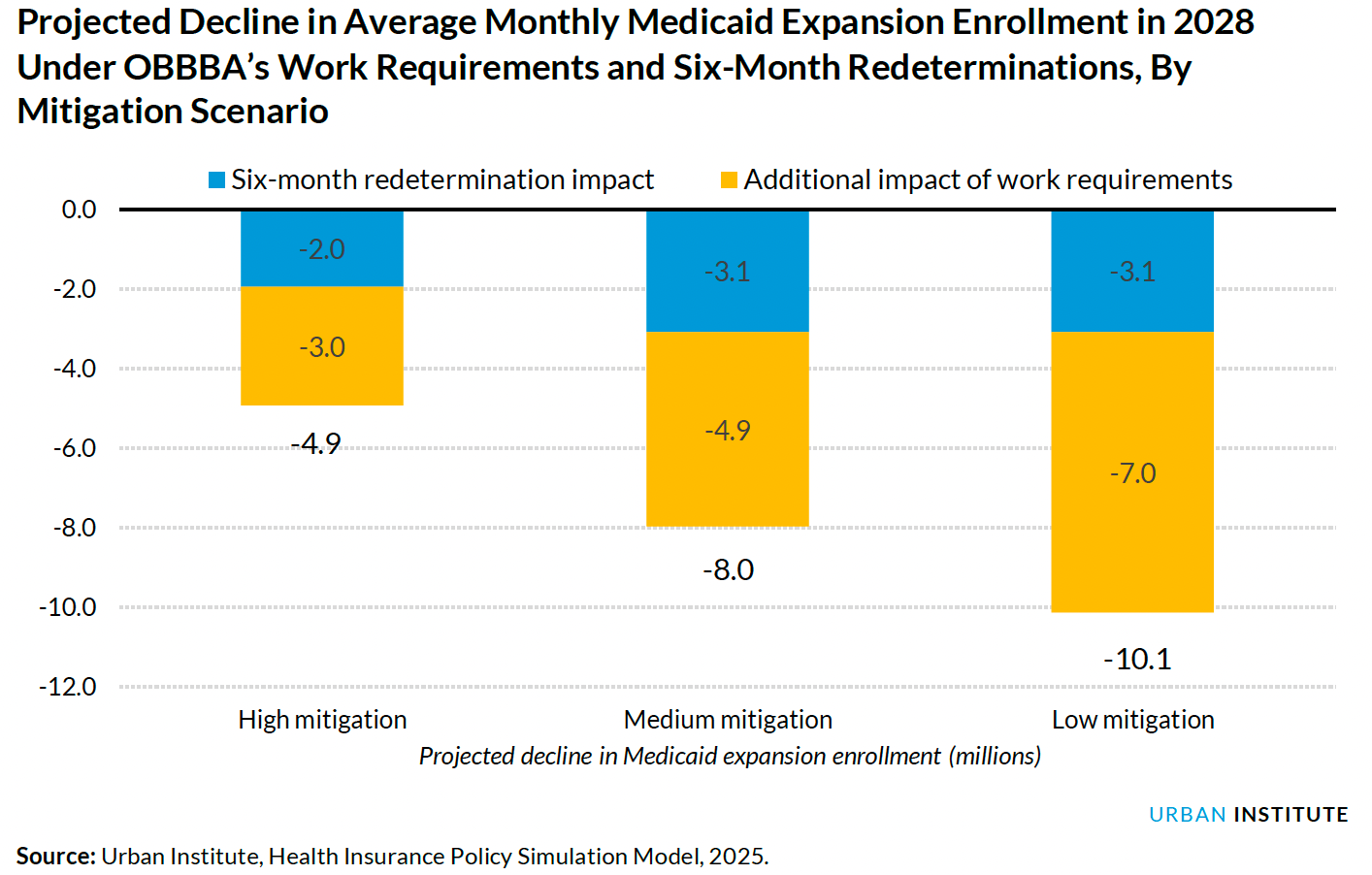
Last week, the Department of Health and Human Services, under the Office of the Assistant Secretary for Planning and Evaluation (ASPE) released a new “ study” on the effects of work requirement policy on employment and poverty. You might not have heard of it, but it represents a potentially important step in the federal government pushing a policy that will hurt many vulnerable people. At a time when the administration appears to be at war with social science, why did it need this report?
To answer this question, we looked more closely. We are academics at the University of Colorado and Harvard who study administrative burdens in the social safety net, particularly the effects of work requirements policies. We are gravely concerned that this ASPE study misrepresents the state of scholarly evidence on the impacts of work requirements and that this will lead to poorly informed and punitive policy decisions in the future. So, we are writing this post to set the record straight.
Can We Still Govern? gives you independent expert analysis. To receive new posts and support our work, consider becoming a free or paid subscriber.
The report makes two big, dubious claims:
“Rigorous studies find that work requirements are most likely to increase employment when they combine clear expectations with supports that reduce the cost of finding and maintaining work.”
“Under varying conditions, including job availability and implementation quality, the policy could reduce poverty by 1.6 to 2.9 million people.”
The report comes as the Centers for Medicare and Medicaid Services CMS unveils regressive new policies on work requirements. It seems designed to provide a patina of intellectual credibility to a policy that most researchers are dubious of. In a press release, CMS touted the findings of this study to stipulate that Medicaid work requirements — which states must impose upon enrollees who have coverage through the ACA’s Medicaid expansion by January 2027 — “could reduce pove…

 点赞
点赞 收藏
收藏 点踩
点踩 分享
分享