Learning concepts is dirty work

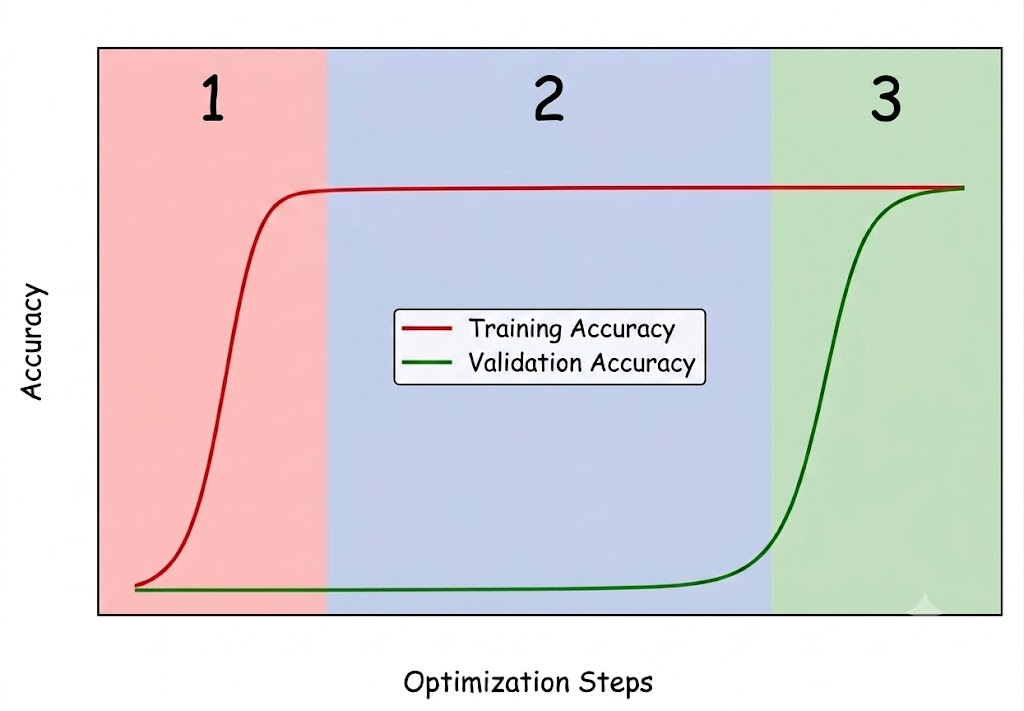
I want to break a lance for Jean Piaget. When I come across his name, it's mostly in the context of criticism, much of which misses the point, IMO. Beware, though: I am no developmental psychologist -- just a teacher -- and I will not try to defend or even explain everything Piaget has thought up, but focus on one central point that, as I see it,...
stands unencumbered by the methodological criticisms,
sheds light on how concepts are learned,
comes with real-world use for teaching and learning,
and even bears some parallels to recent AI research.
Piaget's constructivism and its applications to teaching have been discussed on LW before, but I'm a bit late for an actual response.
The man...
Piaget is best known for his contributions to pedagogy and developmental psychology, but he started out as a biologist. Young Jean was a massive nerd -- introvert, anxious, physically fragile, with no interest in sports but an incredible creative power in science. By the time he finished school, he had published 20 papers about molluscs. It took him only three years to study biology and finish with a PhD. He then went on to become a professor of psychology before turning 30.
... and his work
The big arc of Piaget's life was a project to take epistemology into natural sciences, a theory he called genetic epistemology. He would have loved LessWrong! Regrettably, the theory itself had little impact, but its empirical foundation was special in many ways: it consisted mainly of clinical interviews in which he (and his collaborators, Bärbel Inhelder and Alina Szeminska) basically just talked to children of different ages, showing them little experiments to find out how the kids thought about them. Most of the criticism regarding Piaget's work is aimed at this methodology, since it fails to meet many criteria of good scientific research: repeatability, for instance. Whatever findings these interviews produced need to be evaluated with careful reflection, and indeed some of Piage…

 点赞
点赞 收藏
收藏 点踩
点踩 分享
分享