The Ecological Intelligence of Sacred Landscapes

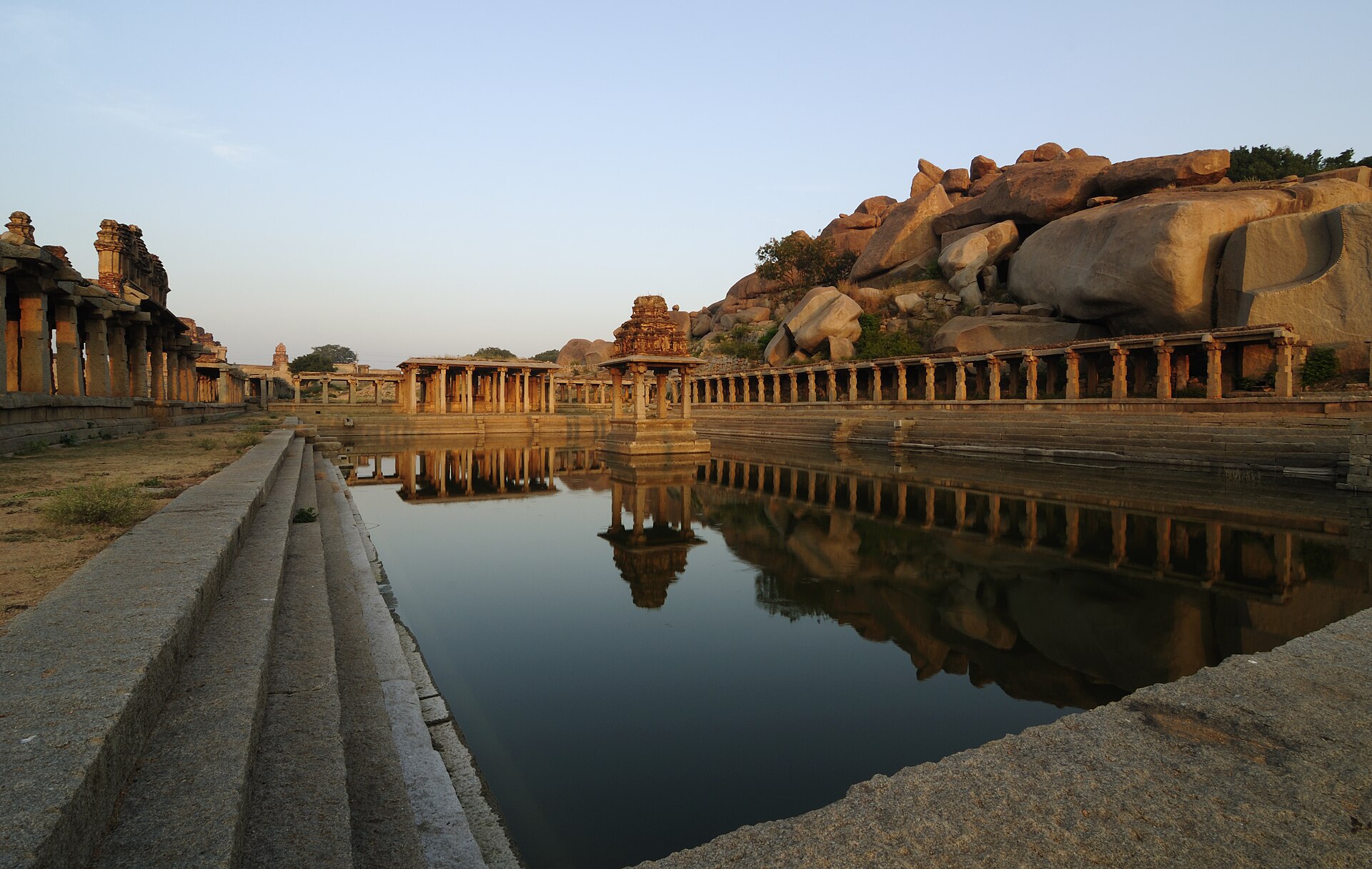
Architecture often speaks about ecological design as though it were a recent discovery. Biodiversity corridors, regenerative landscapes, sponge cities, and more-than-human urbanism are presented as emerging responses to contemporary environmental crises. Across India and the SWANA region, landscapes shaped through religious practice have long organized relationships between people, water, vegetation, and animals. Long before ecological performance became a design metric, temple tanks stored monsoon water, sacred groves protected biodiversity, and oasis settlements sustained life in some of the world's most arid environments. Few of these places emerged from explicit environmental agendas. They emerged through cultural and spiritual practices. Their environmental logic remains highly relevant today. Many of the conditions now discussed through more-than-human design have existed for centuries within landscapes architects rarely study as ecological infrastructure.

 点赞
点赞 收藏
收藏 点踩
点踩 分享
分享